HEALTH HUB
Pain management
Living with pain can have a significant impact on day to day life. Our experts discuss a range of pain management topics, including symptoms, prevention, and treatment of common conditions that can cause pain.
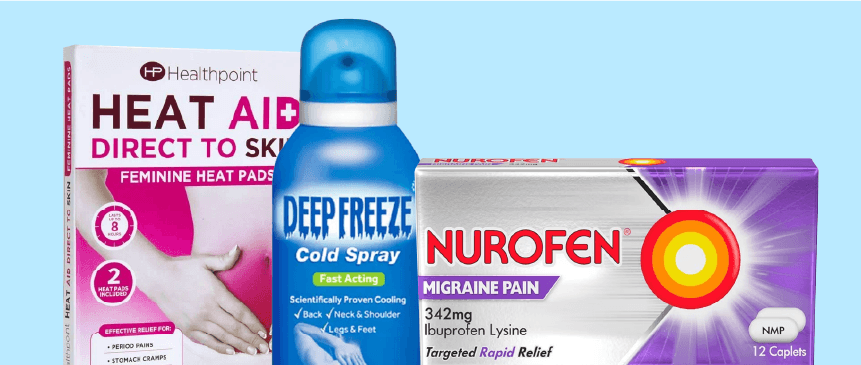
Pain management advice from our experts
Shop popular pain relief categories
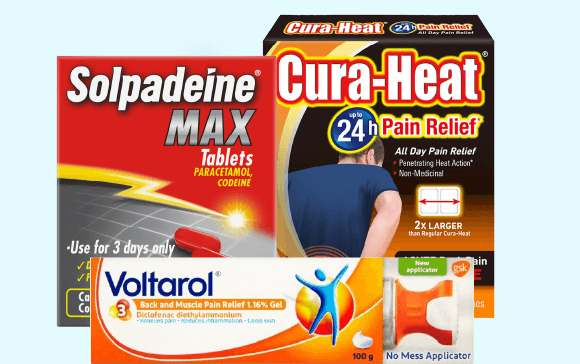
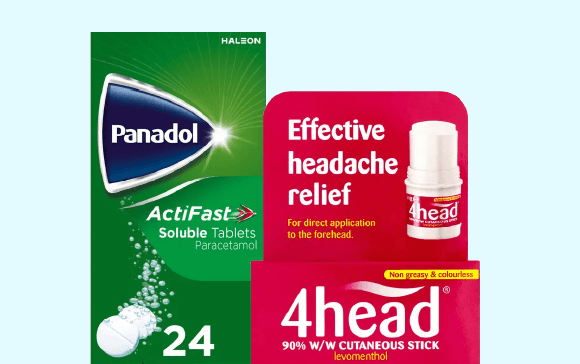
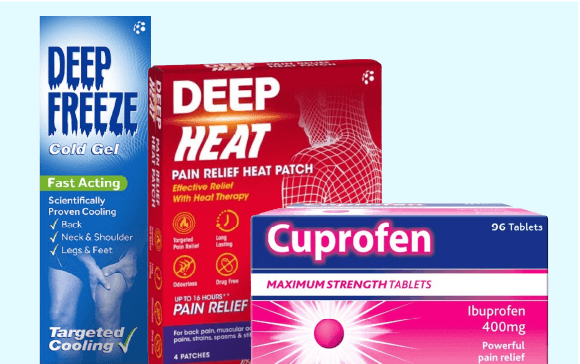
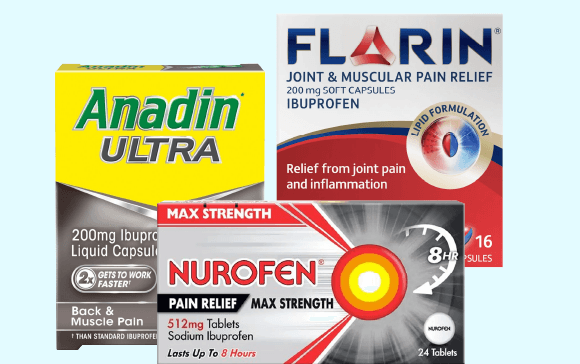
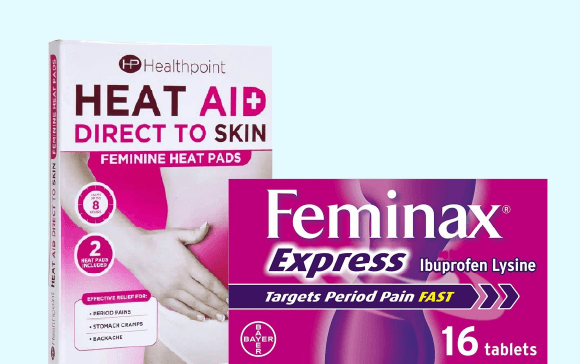

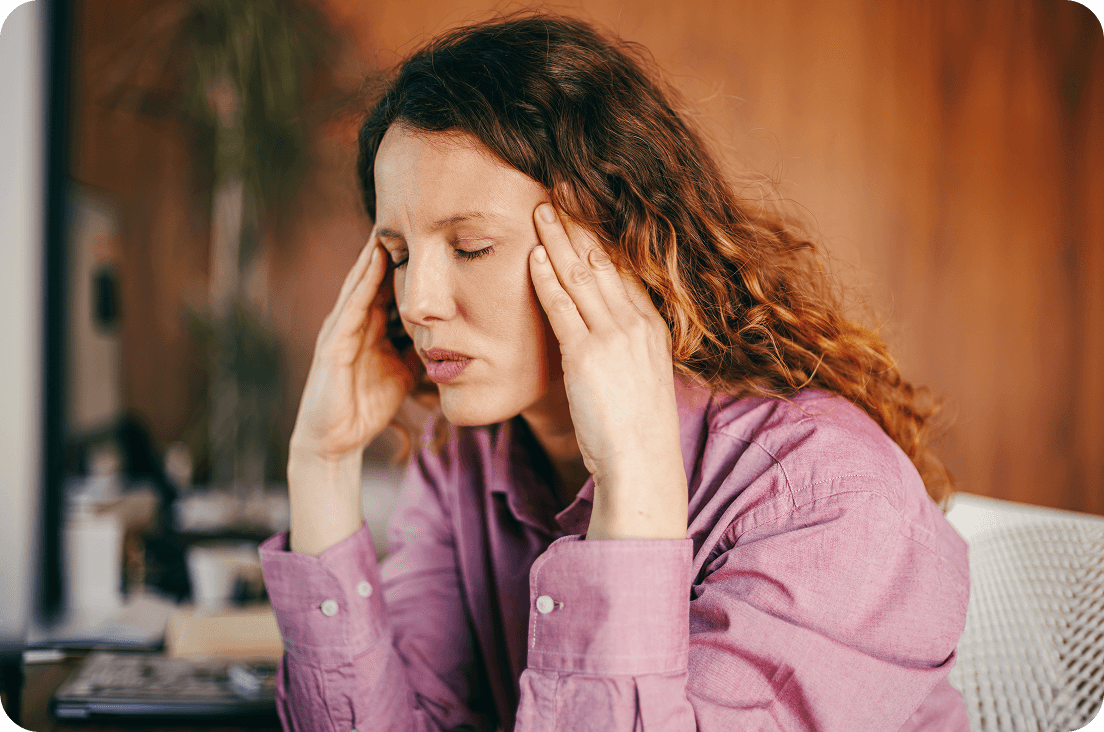
What are the 4 Ps of Pain Management?
Pain management is so important. If you’re dealing with pain, a clinician will look at a number of strategies and treatments, all aimed at reducing or alleviating your issues, enhancing your quality of life, and helping you manage conditions that are a cause of ongoing pain.
In this article, we’re going to look at the impact of pain in the UK, before taking you through the 4 Ps of pain management, so you have awareness of the different approaches a clinician may consider, and the different ways you can help relieve pain at home or at work.
Putting you in control with our free health tools


Frequently asked questions
Acute pain happens suddenly, usually from an injury, surgery, or short-term illness, and fades as your body heals (typically under 3 months). Chronic pain lasts months or years and usually requires an ongoing care strategy to manage it.
Migraines can affect anyone at any age, though they peak between ages 25 and 55. Children can experience them too, with girls often noticing their first onset during puberty. While both men and women get migraines, women are reported to be two to three times more likely to experience them.
Back pain becomes more common starting in your 30s and 40s. Common triggers include prolonged sitting, driving, heavy lifting, carrying extra weight, or recovering from a past injury. While it can often be caused by a pulled muscle or strain, persistent pain could stem from other conditions. If back pain lingers for more than a few weeks or if you're experiencing a lot of pain, check in with your GP or healthcare provider.
Some people find that medicine-free pain relief options are helpful in managing their symptoms. These include low-impact movement (like walking or gentle stretches), physical therapy, heat and cold treatments, mindfulness techniques, and setting up ergonomic workspaces to improve posture.