Contraception treatment Desogestrel

What is Desogestrel?
Desogestrel, a progestogen-only pill (POP) or mini-pill, contains a low dose of the progestogen desogestrel, a female sex hormone. Its primary purpose is to prevent pregnancy. There are two main types of hormonal contraceptives:
The combined pill (COC), commonly known as "The Pill," which includes both an oestrogen and a progestogen.
The progestogen-only pill (POP) or mini-pill, which doesn’t contain oestrogen.
Desogestrel falls is a POP. It differs from other mini-pills as it also effectively inhibits the ripening of the egg cell.
While most POPs focus on preventing sperm cells from entering the womb, Desogestrel's mechanism enhances its contraceptive efficacy by primarily stopping the egg cell from maturing. This makes it a highly reliable contraceptive option.
What is Desogestrel used for?
Desogestrel is a progestogen-only oral contraceptive pill, also known as a POP or mini-pill. It helps to prevent pregnancy by thickening cervical mucus, to prevent sperm from passing through and (unlike other contraceptive pills) it is capable of preventing an egg cell from ripening, so there is no egg cell to be fertilised by sperm.
If taken at a similar time every day, it is 99% effective. You must take the pill every day without a break. You may experience irregular bleeding or no bleeding at all when taking this pill. Desogestrel is suitable for those who cannot take contraceptive pills that contain oestrogen, such as smokers over 35 and those who are breastfeeding. Desogestrel protects against pregnancy but provides no protection against STIs.
Who can and cannot take medicines containing Desogestrel?
Desogestrel is suitable for most individuals as a hormonal contraception but it may not be suitable for everyone.
Who can't take Desogestrel:
individuals with a history of thrombosis
those with jaundice or severe liver disease and abnormal liver function
individuals diagnosed with or suspected of having cancer influenced by sex-steroids, such as certain types of breast cancer
people with unexplained vaginal bleeding
those allergic to desogestrel, peanuts, soya, or any other ingredients listed in the patient information leaflet
If any of these apply to you, inform your doctor before considering Desogestrel. Your doctor will provide guidance and may suggest alternative contraceptive methods if needed. Additionally, regular check-ups are recommended, and you should contact your doctor immediately if you experience any concerning symptoms while taking Desogestrel.

Do I take Desogestrel each day?
You take one pill every day, with no break between packs of pills. You should aim to take it at the same time each day for optimal effectiveness. If you take it more than 12 hours late – it may not be effective. If you're sick (vomit) or have severe diarrhoea, you may not be protected from getting pregnant. Desogestrel, and all other oral contraceptives, don’t protect against sexually transmitted infections. Condoms are also recommended if you’re with a new sexual partner or you and your current partner haven’t had a recent STI check.
Contraception medicines
 More info
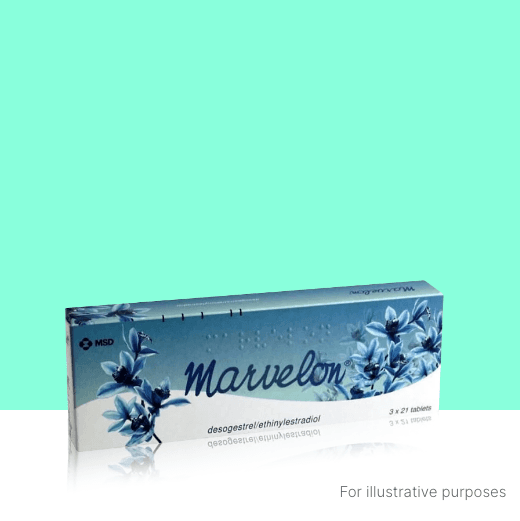
Marvelon
30/150 mcg63 tablets - £15.00
126 tablets - £28.00
252 tablets - £55.00 More info
Millinette 20/75 30/75
20/75mcg 30/75 mcg63 tablets - £15.00
126 tablets - £25.00
252 tablets - £45.00 More info
Microgynon 30 ED
30/150 mcg84 tablets - £14.00
168 tablets - £20.00
336 tablets - £33.00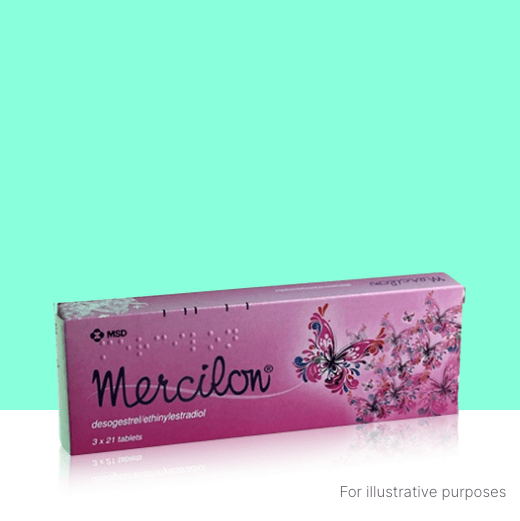 More info
Mercilon
20/150 mcg63 tablets - £20.00
126 tablets - £30.00
252 tablets - £50.00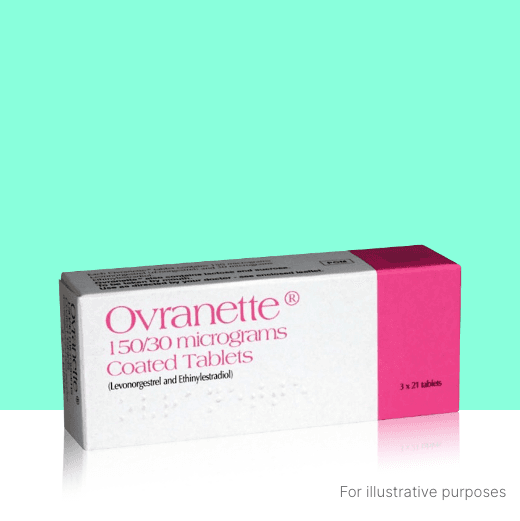 More info
Ovranette
30/150 mcg63 tablets - £15.00
126 tablets - £25.00
252 tablets - £35.00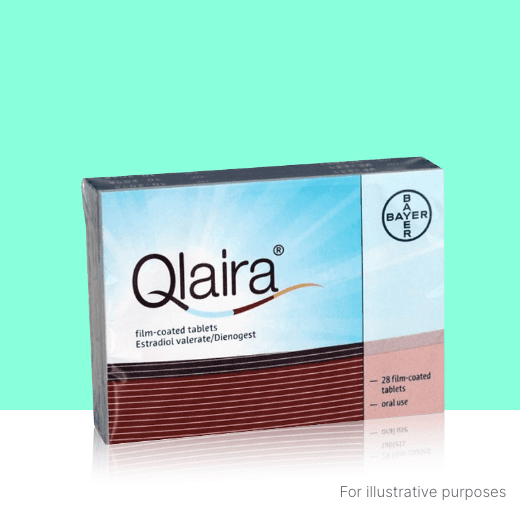 More info
Qlaira
84 tablets - £35.00
168 tablets - £60.00
336 tablets - £110.00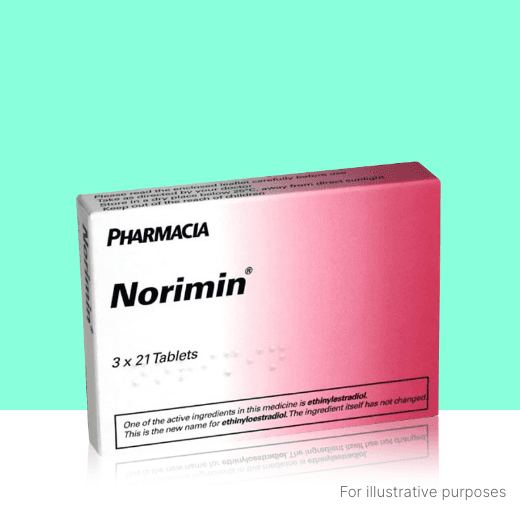 More info
Norimin
35/500mcg63 tablets - £20.00
126 tablets - £35.00
252 tablets - £65.00 More info
Logynon
63 tablets - £14.00
126 tablets - £25.00
252 tablets - £40.00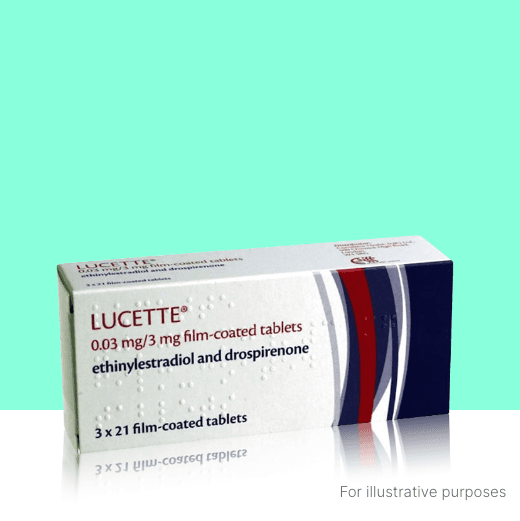 More info
Lucette
30mcg/3mg
63 tablets - £18.00
126 tablets - £30.00
252 tablets - £55.00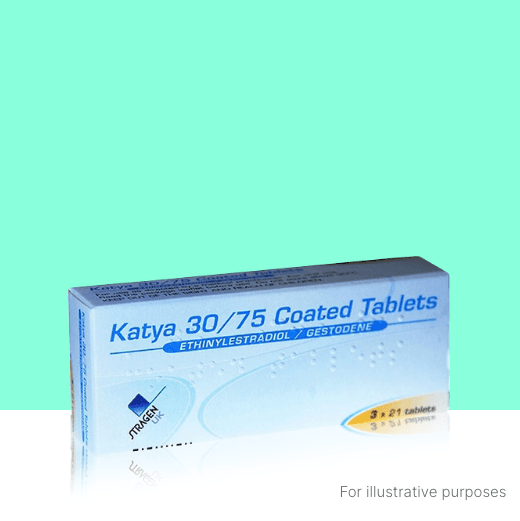 More info
Katya
30/75mcg63 tablets - £15.00
126 tablets - £25.00
252 tablets - £45.00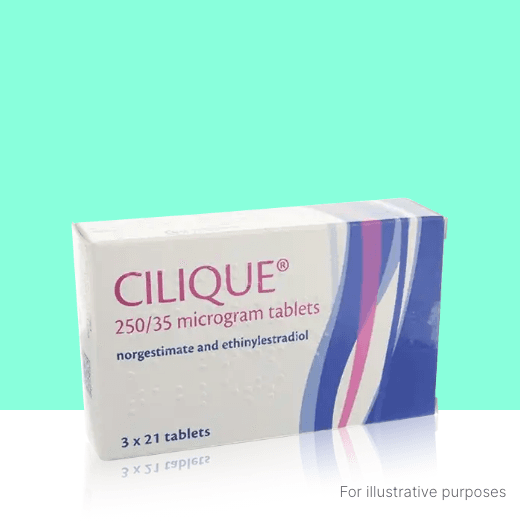 More info
Cilique
250/35mcg63 tablets - £18.00
126 tablets - £30.00
252 tablets - £54.00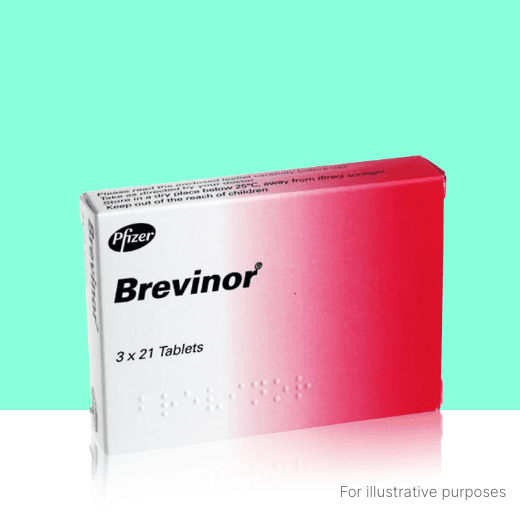 More info
Brevinor
0.5mg/35mcg63 tablets - £18.00
126 tablets - £27.00
252 tablets - £54.00 More info
Microgynon Tablets
30mcg/150mcg63 tablets - £15.00
126 tablets - £25.00
252 tablets - £33.00 More info
Yasmin Tablets
0.03/3g63 tablets - £26.00
126 tablets - £45.00
252 tablets - £90.00
Effective for treatment of acne More info
Rigevidon Tablets
30/150mcg63 tablets - £15.00
126 tablets - £25.00
252 tablets - £45.00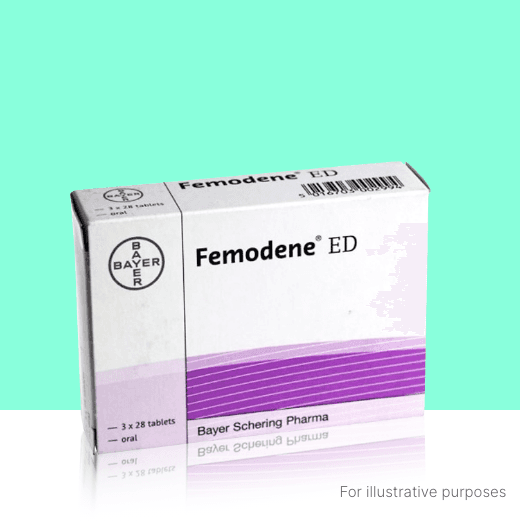 More info
Femodene
30/75 mcg63 tablets - £15.00
126 tablets - £25.00
252 tablets - £45.00
 More info
Cerazette Tablets
75mcg84 tablets - £19.00
168 tablets - £35.00
336 tablets - £60.00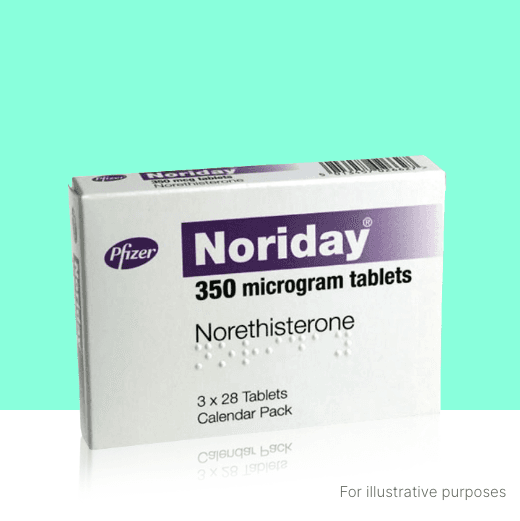 More info
Noriday
350 mcg84 tablets - £10.00
168 tablets - £17.00
336 tablets - £30.00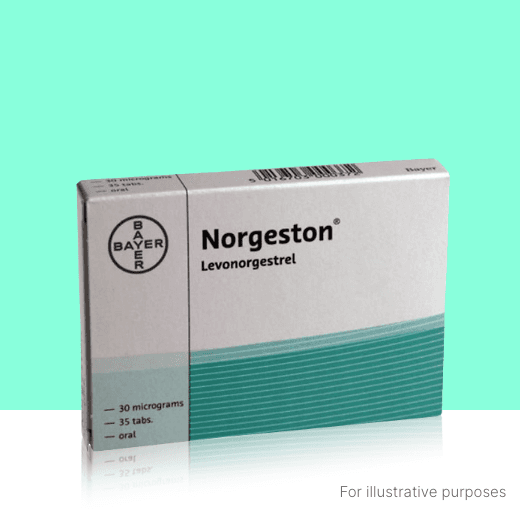 More info
Norgeston
30 mcg105 tablets - £10.00
210 tablets - £17.00
420 tablets - £30.00 More info
Desogestrel Tablets
75mcg84 tablets - £15.00
168 tablets - £25.00
336 tablets - £45.00
 More info
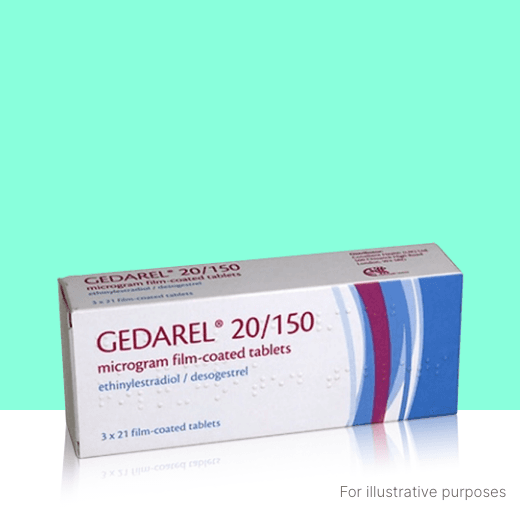
Gedarel 20/150
20/150 mcg63 tablets - £20.00
126 tablets - £35.00
252 tablets - £50.00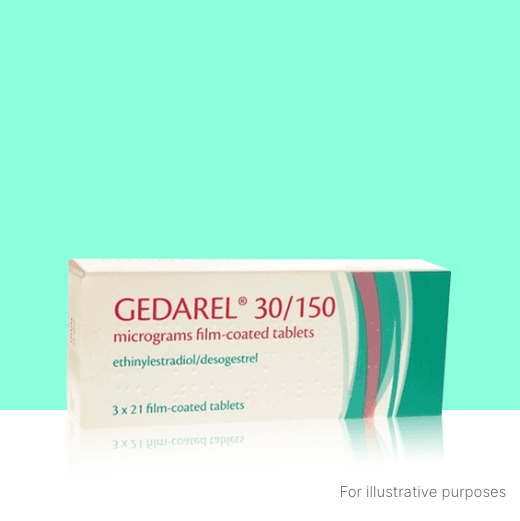 More info
Gedarel 30/150
30/150 mcg63 tablets - £15.00
126 tablets - £25.00
252 tablets - £45.00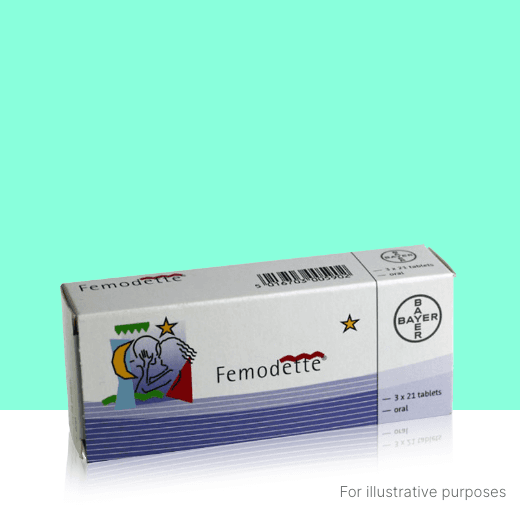 More info
Femodette
20/75mcg63 tablets - £15.00
126 tablets - £25.00
252 tablets - £45.00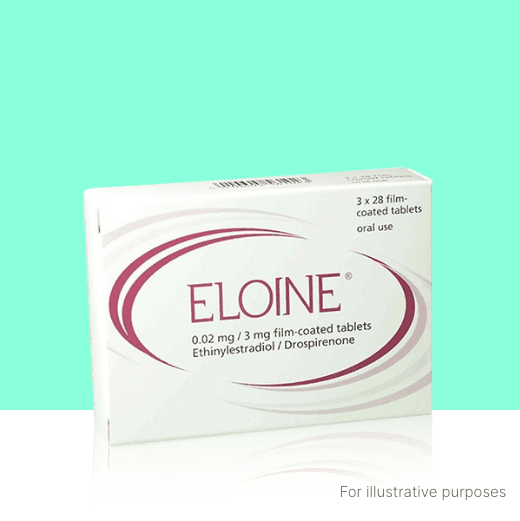 More info
Eloine
20mcg/3mg84 tablets - £25.00
168 tablets - £45.00
336 tablets - £85.00



Meet our expert clinical team
Introducing the expert clinical team behind our range of healthcare services who uphold the highest clinical standards across everything we do.
Frequently asked questions
As with any medication, Desogestrel can have potential side effects, although they may not affect everyone. If you notice symptoms like swelling of the face, tongue, or throat, difficulty swallowing, or hives and breathing difficulties, seek immediate medical attention.
During the use of Desogestrel, irregular vaginal bleeding may occur. This can range from slight staining that doesn't require a pad to heavier bleeding resembling a light period, necessitating sanitary protection. Some individuals may experience no bleeding at all. It's important to note that irregular bleeding does not indicate a decrease in contraceptive protection. Generally, no action is required and you can continue taking Desogestrel. However, if the bleeding is heavy or prolonged, consult your doctor.
Potential side effects vary in frequency.
Common (affecting up to 1 in 10 women): mood changes, depressed mood, decreased libido, headache, nausea, acne, breast pain, irregular or absent menstruation, increased body weight
Uncommon (affecting up to 1 in 100 women): vaginal infection, difficulty wearing contact lenses, vomiting, hair loss, painful menstruation, ovarian cyst, tiredness
Rare (affecting up to 1 in 1000 women): rash, hives, erythema nodosum (painful blue-red skin lumps)
In addition to these side effects, breast secretion may also occur.
If you are allergic to desogestrel, peanuts, soya, or any other ingredients, do not use this contraceptive. Seek medical advice if you experience allergic reactions.
Contact your doctor if you notice unusual symptoms, such as severe abdominal pain, lumps in your breasts, or unusual vaginal bleeding.
Interaction with other medications
Inform your doctor about any other medications you are taking, as some may interact with Desogestrel.
Certain medicines, such as those used for epilepsy, tuberculosis, HIV infections, or stomach upset, may affect Desogestrel's effectiveness.
It's important to note that individual responses to medication can vary. If you experience any concerns or side effects while using Desogestrel, consult your healthcare provider. They can provide guidance based on your specific health profile and may recommend alternative contraceptive methods if necessary. Regular communication with your healthcare provider ensures a personalised and safe contraceptive experience.
Desogestrel is available in the form of white round film-coated tablets, arranged in blister packs, with each pack containing 28 tablets. The active ingredient in these tablets is desogestrel, at a concentration of 75 micrograms.
It's worth noting that due to being a generic medication, the colour and shape of the tablets may differ from the description provided.
Desogestrel can be used if you cannot use contraception that contains oestrogen.
It’s also one of the recommended oral contraceptives if you're over 35 and you smoke.
Your periods may stop or become lighter, irregular or more frequent.
Wait for your period to begin. On the first day of your period, take the first Desogestrel tablet. No additional contraceptive precautions are necessary. If you start on days 2-5 of your period, use an added barrier method for the first 7 days of taking Desogestrel.
If you have a tablet, ring, or patch-free break, start Desogestrel on the day after your break or when you finish all inactive tablets. Use an additional barrier method for the first 7 days. If there's no break, start Desogestrel the day after the last tablet, ring, or patch removal. If your current pack has inactive tablets, start Desogestrel after the last active tablet.
Switch on any day from another mini-pill. No additional contraceptive precautions are necessary.
Start Desogestrel when your next injection is due or on the day of implant or IUS removal. No additional contraceptive precautions are necessary.
You can start Desogestrel between 21 and 28 days after giving birth. If starting later, use an additional barrier method for the first 7 days. Ensure you're not pregnant if you've already had sex. Breastfeeding women should consult their doctor for guidance.
Testimonials & reviews


Rated excellent with 400,000+ reviews as of October 2023
Worry free service
This service has taken all the worry out of ordering repeat perscriptions. They remind you when perscriptions are due & they are posted & within a couple of days they are there on your door mat. Exemplary service. Thank you.
Hester Pendino

Great service
Great service. With good liaison with my GP. And order always efficiently delivered. So much easier than queueing at the local chemist. I started using Pharmacy2U during the pandemic and no turning back.
Hilary Simpson
The help line staff were excellent
The help line staff were excellent, they understood my issue straightaway, told me they would need to speak to a line manager and would get back to me. The same person got back to me later in the day with an answer, issue resolved
Linda Lauren

Great user friendly service
This is a very easy service to use.
I order my medication online from the drs it goes straight through to Pharmacy2U they confirm they have received it and it is sent out for delivery. With emails keeping me informed of its status all along the way.Neil Etheridge
I get reminders when I need to order
I get reminders when I need to order. It is easy to order and I get updates to let me know how my order is progressing. Within a very short time it is put out for delivery. It is then up to Royal Mail to post it through my letterbox.
Janet Tittensor
Losing the monthly stress
Being able to request my prescription from the doctors and knowing that the items I require will be delivered to my door without delay. Originally I would go to the pharmacy after a 5 day wait to find that my prescription was not ready, so thank you for making my life easier.
Pat Cruttenden
Excellent service
Excellent service. Timely as ever. Prompted by P2U to re-order. From sending order to receipt was 7 days. Excellent as it includes GP’s approval sign off.
Ceijag