In this Article:
01: Male pattern baldness: Before starting Regaine treatment02: How will my hair look after Regaine?03: Is Regaine right for me?04: How to get the best Regaine results?05: Is it possible to combine hair loss treatments?06: What should I do if Regaine doesn't work?07: What other hair loss treatments are available?08: Where can I purchase Regaine?Male pattern baldness: Before starting Regaine treatment
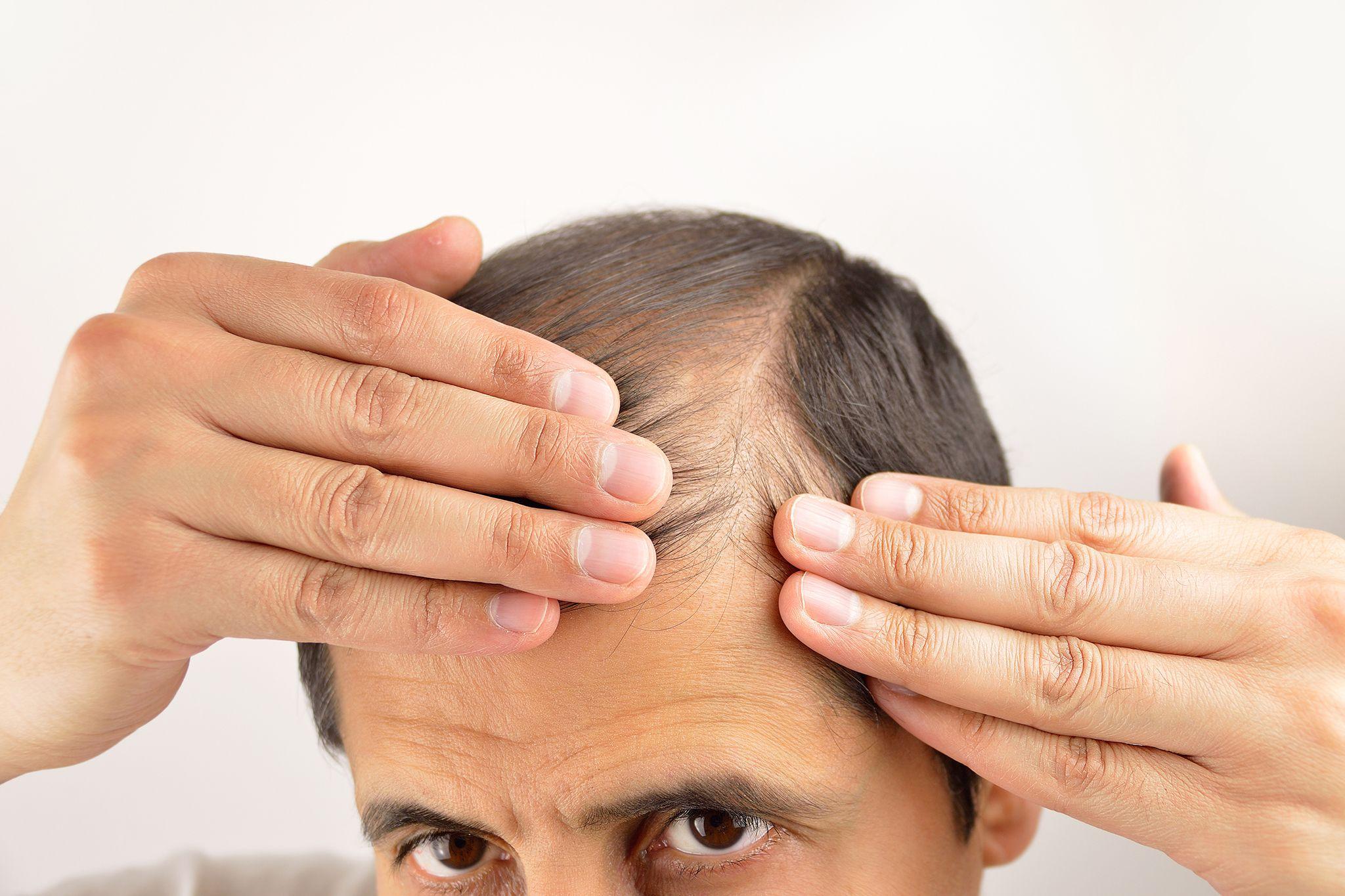
Male pattern baldness is hereditary, and it is often marked by a receding hairline that forms an "M" shape as it moves back from the forehead. This condition leads to thinner hair that may also appear lighter in colour, as hair follicles shrink and struggle to produce new hair.
Common signs of male pattern baldness include:
A receding hairline
Thinning hair on the crown of the head
Increased hair shedding
More visible scalp
A family history of male pattern baldness
Hair loss can start with minor thinning and may progress to more extensive hair loss. If you've noticed your hair becoming thinner, it's a good idea to consult your GP or clinician as soon as possible to help prevent further hair loss.
Discover the different types of male hair loss in our article ‘Everything you need to know about hair loss’.
How will my hair look after Regaine?
Regaine is a clinically proven hair loss treatment that is understood to work by increasing blood flow to the scalp to stimulate hair regrowth.
The active ingredient in Regaine, minoxidil, helps to lengthen the anagen (hair growth) phase for men with pattern baldness. This leads to a slower rate of hair loss and prevention of further hair thinning.
The Regaine website states that 9 out of 10 men who used Regaine foam reported maintaining or regrowing hair after just 16 weeks of applying twice a day.
Additionally, 3 out of 5 men saw hair regrowth after using Regaine for Men Extra Strength (5% Minoxidil) Solution over one year.
Using Regaine regularly can lead to thicker and healthier hair over time. While it helps many men to improve hair loss visibly, it's important to note that it may not work for everyone.
If you do experience early regrowth when using Regaine, any new hair may be soft, downy and barely visible before becoming closer to the colour and thickness of the rest of your hair over time.
Is Regaine right for me?
Regaine is generally well tolerated by men and women aged between 18-65 who are experiencing the onset of male or female pattern baldness. You should seek advice from your pharmacist or GP about your hair loss if any of the following apply:
The hair loss is sudden, patchy or you’re unsure about the cause
You have an existing scalp condition such as acne or dermatitis
You have high blood pressure (treated or untreated)
You’re pregnant or breastfeeding
How to get the best Regaine results?
You must allow sufficient time for Regaine to take effect to achieve the best results. Although some men have seen results in as little as 8 weeks, it's more common to notice the effects after 16 weeks of applying Regaine twice daily.
This is because most men experience increased hair shedding during the first 2-6 weeks, as the newer strands push out the older hairs. It's essential to continue the treatment, as visible results typically appear within 16 weeks, with the full effects taking around 12 months.
To achieve the best results, you should apply the topical treatment at the same time, twice every day, as it requires consistent daily use to work.
If you stop using Regaine, the benefits usually fade over time, and your hair will gradually return to its natural growth pattern within about 4–6 months.
Is it possible to combine hair loss treatments?
In some cases, a prescriber may consider using finasteride alongside minoxidil, as they work through different mechanisms. Suitability for treatment should always be assessed individually.
Some clinical studies suggest that combination treatment may be helpful for certain patients when used under appropriate medical supervision.
Finasteride works by reducing levels of DHT, a hormone associated with male pattern hair loss, while minoxidil is thought to help stimulate hair growth at the scalp.
Although minoxidil products such as Regaine are available over the counter, finasteride is a prescription-only medicine and requires a clinical consultation to determine whether treatment is appropriate.
What should I do if Regaine doesn't work?
If you’ve given Regaine enough time to work but you don't see any visible results, there are a few things you can do, such as:
Book an appointment with your GP to review whether any medical, medicine-related, stress or lifestyle factors are impacting your treatment
Discuss alternative treatments with your GP, such as prescription medication or discuss alternative over-the-counter hair loss treatments with a pharmacist
Consult a dermatologist or trichologist to get specialist advice on your hair and scalp health
What other hair loss treatments are available?
Although not specifically licensed to treat hair loss directly, there are products available to help maintain a healthy scalp. These include caffeine shampoo, biotin shampoo, and hair growth vitamins and can be included in your daily routine. Medicines like Propecia (finasteride) are prescription-only.
Where can I purchase Regaine?
Before purchasing Regaine, check your suitability for the treatment and carefully read the patient information leaflet.
We always recommend that you purchase over-the-counter treatments from a registered pharmacy. You can do this at your local pharmacy or from a GPhC-registered online pharmacy, like Pharmacy2U.
Browse our products online or head over to our Online Doctor service to learn more about having a hair loss consultation with one of our clinicians.

You might also be interested in...
Back to Haircare