Lucette Contraceptive Pill
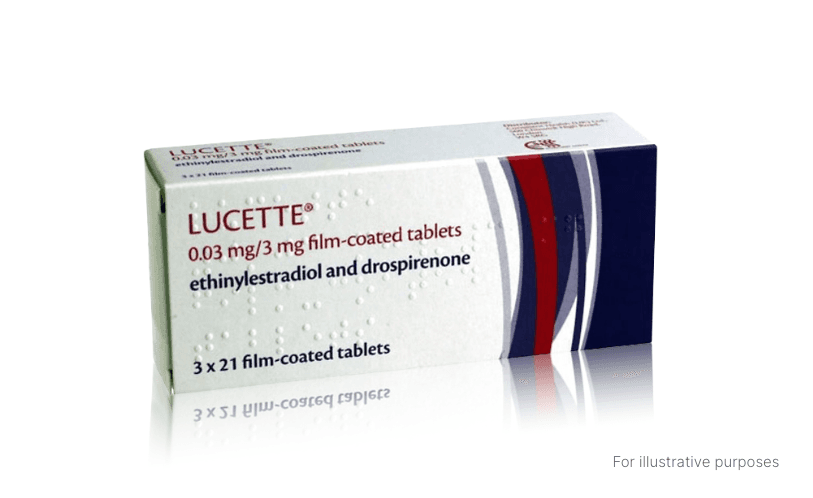
The Lucette contraceptive pill is the generic version of Yasmin, a prescription-only combined contraceptive pill. It contains 2 hormones that work together to provide 99% protection against pregnancy, provided it’s taken correctly. Lucette requires an annual check on your weight and blood pressure, and although there can be side-effects, many women don’t experience any.
How to take the Lucette pill
Depending on your needs, you can take the Lucette birth control pill in 3 different ways:
Tricycling: Take 1 pill daily for 9 weeks (3 packs) without a break. After this, take a 4 or 7-day break before starting again.
Flexible extended use: Take 1 pill every day for at least 21 days. If you experience bleeding that bothers you, take a 4-day break. On the fifth day, resume taking your pill daily and continue for at least another 21 days.
If you take breaks, you'll likely experience a withdrawal bleed during this break and while it resembles a period, it's not actually one.
How does Lucette work?
The Lucette contraceptive pill contains 2 hormones, ethinylestradiol (oestrogen) and drospirenone (progesterone), that work together to prevent pregnancy. As well as stopping your ovaries from releasing eggs, these hormones make it harder for sperm to reach an egg or for an egg to implant in your womb lining.
How effective is Lucette?
As long as you use it correctly and follow the advice of your clinician, Lucette is 99% effective at preventing pregnancy. However, if you don't take it as directed, there's around a 9% chance you'll get pregnant which means 9 in 100 women will.
If you're experiencing vomiting or severe diarrhoea while taking Lucette, your protection might be reduced. So, keep taking your pill as usual and if you are having sex while you're unwell, always use condoms.
If you are ill with these symptoms for longer than 24 hours, follow the same guidance as for a missed pill.
Important: Only start the Lucette combined pill if you're certain you are not pregnant.
How long after taking Lucette are you protected?
If you start taking Lucette on days 1-5 of your period:
You should be protected immediately, as long as you do not have a short or irregular menstrual cycle.
If you start after day 5 or have a short/irregular cycle:
Use condoms for 7 days if you have sex. Your clinician can advise if you need extra contraception during the first week.
Lucette pill side effects
Like any medicine, Lucette can have side effects and some women might notice mood swings, vaginal discharge, rashes, vaginal yeast infections (thrush), headaches, breast discomfort, or feeling sick. Everyone's different though and many women find they experience no side effects at all.
Lucette does carry a slightly higher blood clot risk compared to some other pills, so in rare cases, blood clots can develop. You'll find detailed information about side effects and proper usage in the patient information leaflet.
If you do have any concerns about the risk of blood clots, or any Lucette contraceptive pill side effects, just contact us via your account.
Contraception medicines
 More info
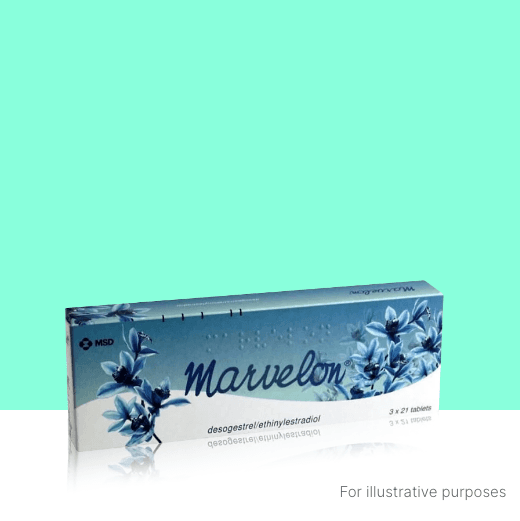
Marvelon
30/150 mcg63 tablets - £15.00
126 tablets - £28.00
252 tablets - £55.00 More info
Millinette 20/75 30/75
20/75mcg 30/75 mcg63 tablets - £15.00
126 tablets - £25.00
252 tablets - £45.00 More info
Microgynon 30 ED
30/150 mcg84 tablets - £14.00
168 tablets - £20.00
336 tablets - £33.00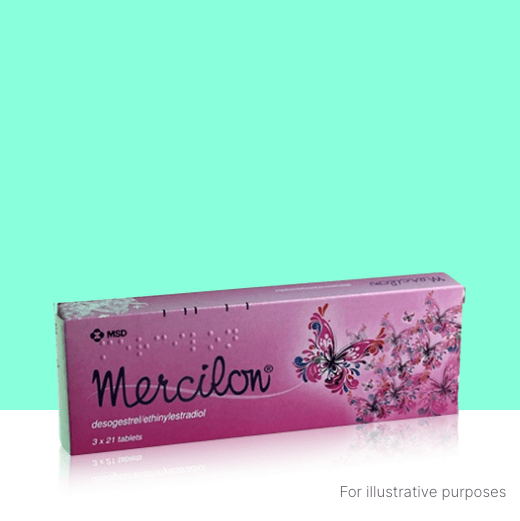 More info
Mercilon
20/150 mcg63 tablets - £20.00
126 tablets - £30.00
252 tablets - £50.00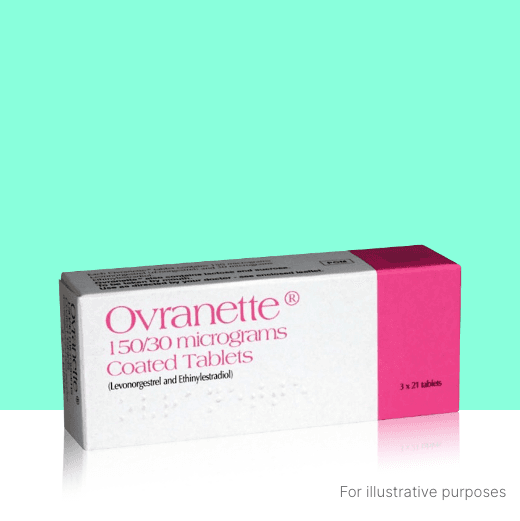 More info
Ovranette
30/150 mcg63 tablets - £15.00
126 tablets - £25.00
252 tablets - £35.00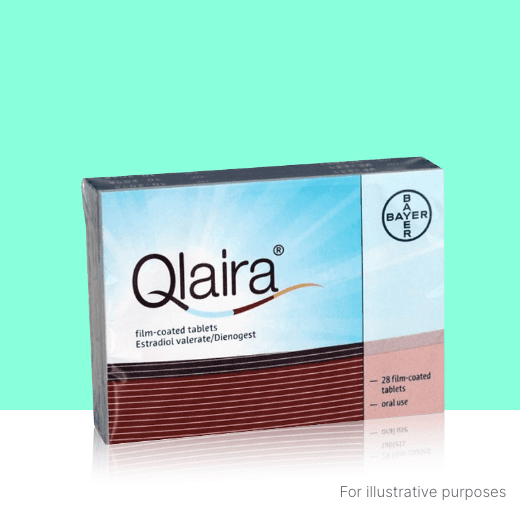 More info
Qlaira
84 tablets - £35.00
168 tablets - £60.00
336 tablets - £110.00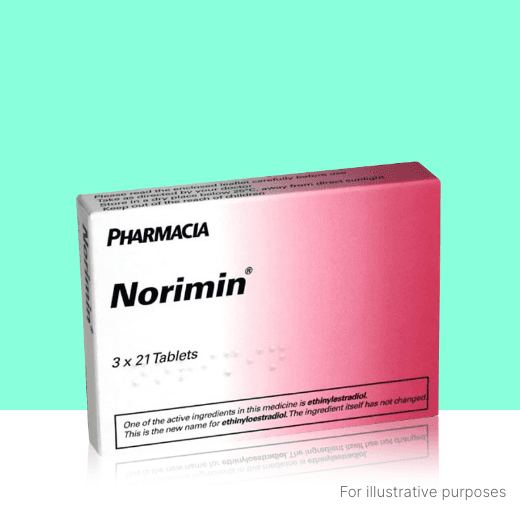 More info
Norimin
35/500mcg63 tablets - £20.00
126 tablets - £35.00
252 tablets - £65.00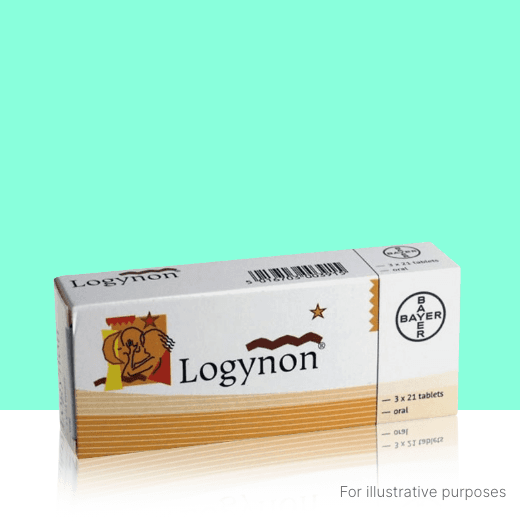 More info
Logynon
63 tablets - £14.00
126 tablets - £25.00
252 tablets - £40.00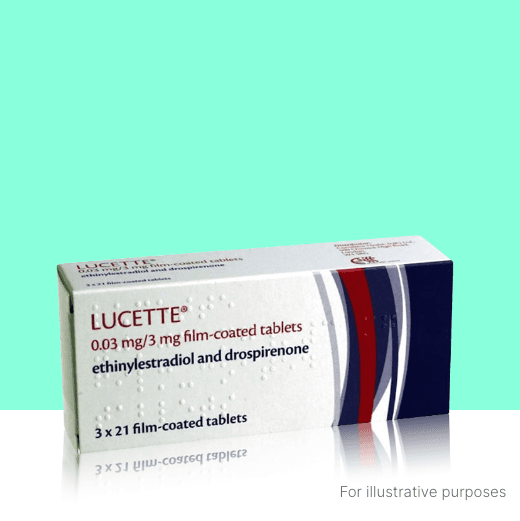 More info
Lucette
30mcg/3mg
63 tablets - £18.00
126 tablets - £30.00
252 tablets - £55.00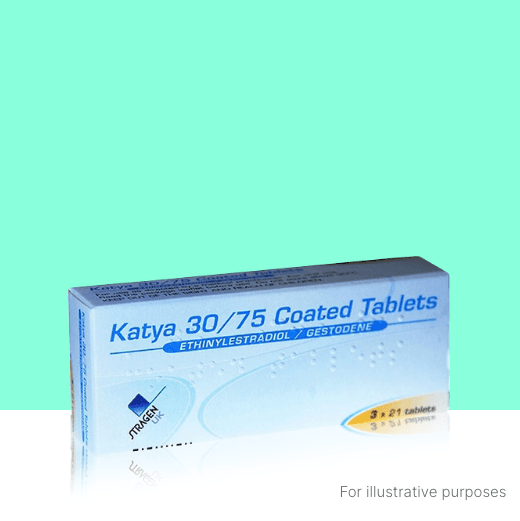 More info
Katya
30/75mcg63 tablets - £15.00
126 tablets - £25.00
252 tablets - £45.00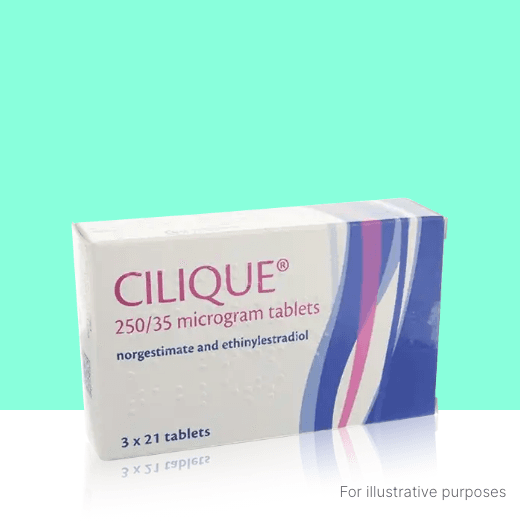 More info
Cilique
250/35mcg63 tablets - £18.00
126 tablets - £30.00
252 tablets - £54.00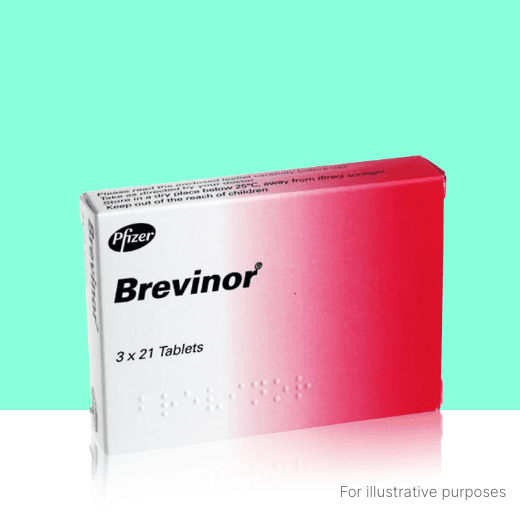 More info
Brevinor
0.5mg/35mcg63 tablets - £18.00
126 tablets - £27.00
252 tablets - £54.00 More info
Microgynon Tablets
30mcg/150mcg63 tablets - £15.00
126 tablets - £25.00
252 tablets - £33.00 More info
Yasmin Tablets
0.03/3g63 tablets - £26.00
126 tablets - £45.00
252 tablets - £90.00
Effective for treatment of acne More info
Rigevidon Tablets
30/150mcg63 tablets - £15.00
126 tablets - £25.00
252 tablets - £45.00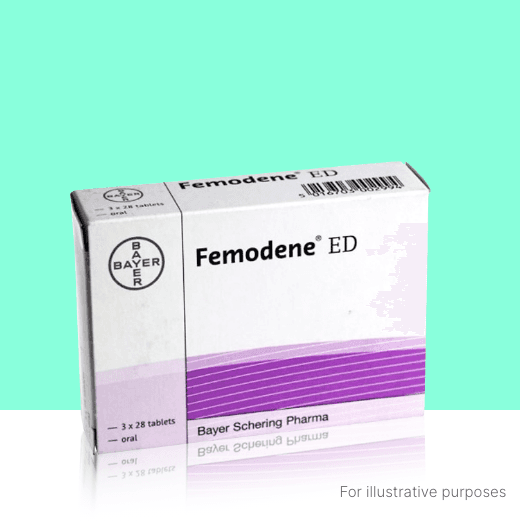 More info
Femodene
30/75 mcg63 tablets - £15.00
126 tablets - £25.00
252 tablets - £45.00
 More info
Cerazette Tablets
75mcg84 tablets - £19.00
168 tablets - £35.00
336 tablets - £60.00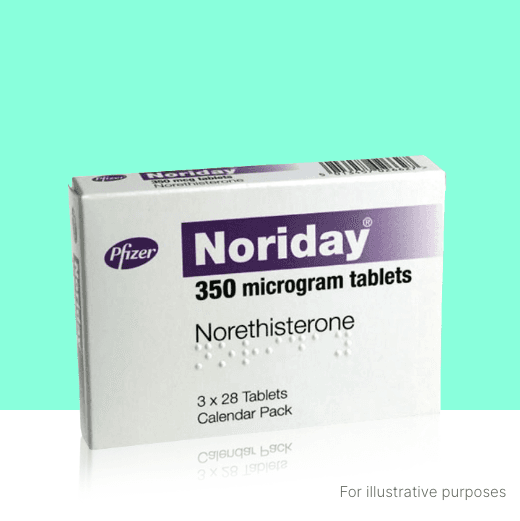 More info
Noriday
350 mcg84 tablets - £10.00
168 tablets - £17.00
336 tablets - £30.00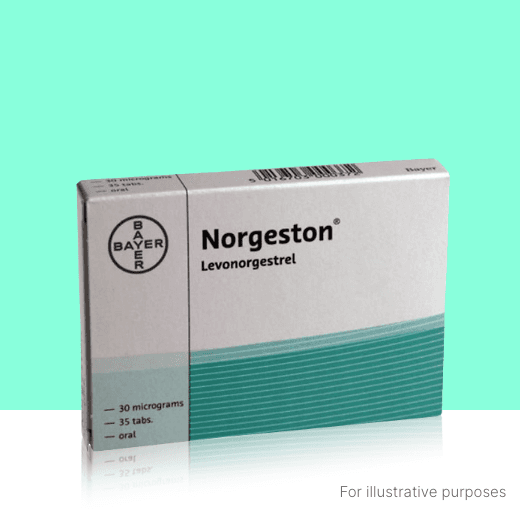 More info
Norgeston
30 mcg105 tablets - £10.00
210 tablets - £17.00
420 tablets - £30.00 More info
Desogestrel Tablets
75mcg84 tablets - £15.00
168 tablets - £25.00
336 tablets - £45.00
 More info
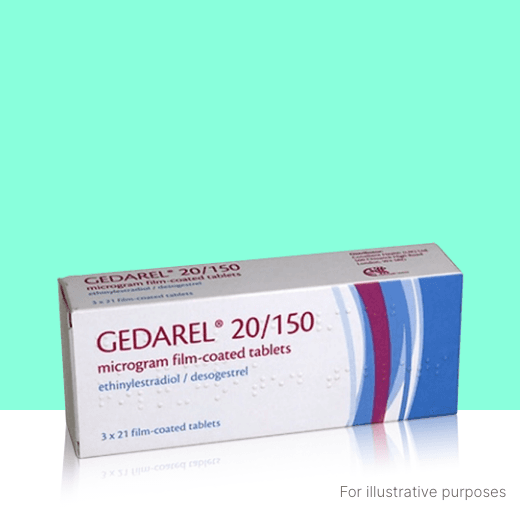
Gedarel 20/150
20/150 mcg63 tablets - £20.00
126 tablets - £35.00
252 tablets - £50.00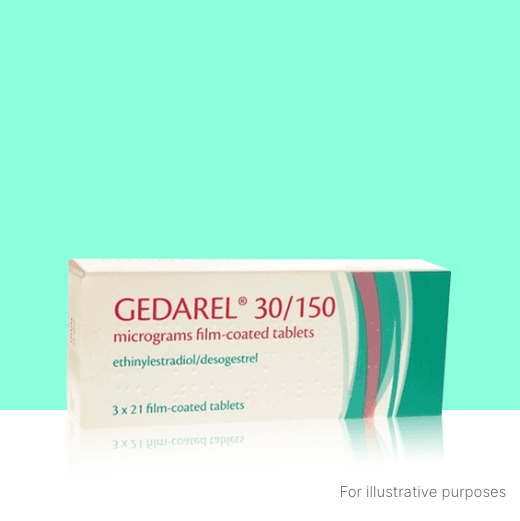 More info
Gedarel 30/150
30/150 mcg63 tablets - £15.00
126 tablets - £25.00
252 tablets - £45.00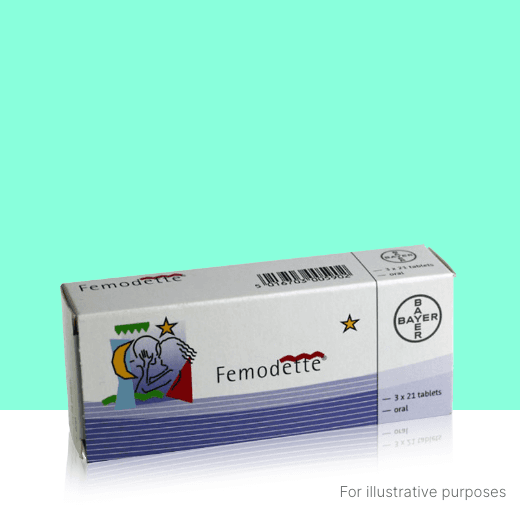 More info
Femodette
20/75mcg63 tablets - £15.00
126 tablets - £25.00
252 tablets - £45.00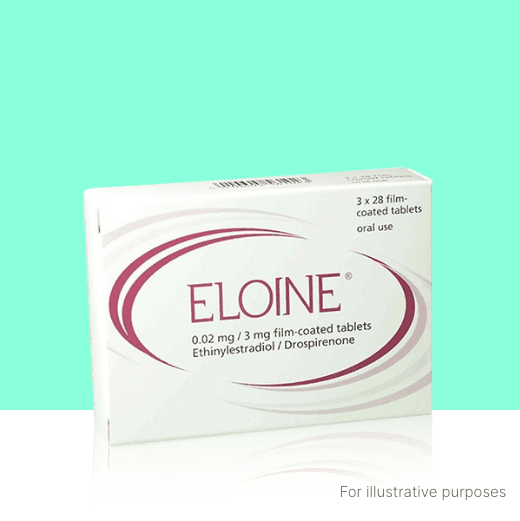 More info
Eloine
20mcg/3mg84 tablets - £25.00
168 tablets - £45.00
336 tablets - £85.00


Meet our expert clinical team
Introducing the expert clinical team behind our range of healthcare services who uphold the highest clinical standards across everything we do.
Frequently asked questions
If you miss your pill, what to do next depends on when and how many pills you've missed. Missing 1 pill at any time will not affect your contraceptive protection.
However, if you miss 2 or more pills, or start a new pack late, the contraceptive effect of Lucette may be reduced.
The advice is:
Up to 12 hours since your last pill. Take your next pill as soon as you remember and continue with the rest of the pack as normal. This might mean taking 2 pills in one day.
More than 12 hours. This depends on when you last took your pill and where you are in your pill packet. Please check the patient information leaflet for more information and specific guidance.
Yes. If you're breastfeeding, you can start taking Femodette from at least 6 weeks after giving birth
Yes. If you take 2 packs of Lucette back-to-back, it will help you avoid having a period.
According to the NHS, there is no evidence that taking the pill makes you put on weight or changes your sex drive.’
If you do notice any weight changes throughout your menstrual cycle, this is likely to be due to fluid retention and other factors not related to the pill.
Yes, you can ask and pay for Lucette through an online doctor service such as ours. Since Lucette is only available on prescription though, you'll need one from a clinician before receiving your medicine.
For all combined contraceptive pills, we'll ask you to tell us your height, weight, and blood pressure. That way we can be sure Lucette is safe for you to use. You can give us this information during your online consultation.
If you'd like to switch your contraceptive pill, you can speak to your GP or contact us via your account.
If you do change to a new pill, we'll advise you to have no break between packs. You might also need to use additional contraception during the changeover too. So we can let you know about this when you message us.
If you've previously bought Lucette from us and want to re-order, you'll need to complete a new online consultation.
Lucette, like other combined contraceptives, can raise your blood pressure and this may be dangerous. That’s why your blood pressure should be checked before starting treatment and then annually.
Whether you've had a recent blood pressure check perhaps at your GP practice, or measured it yourself with a home monitor, we’ll ask you to include this information as part of your consultation.
Lucette can usually be taken alongside other medications. However, we need to make sure it's safe for you to use. So you'll need to let us know about any prescription medications, over-the-counter products, and recreational drugs you're currently taking.
As well as the Lucette pill, you can also request contraceptives such as NuvaRing and Evra Patch, and choose from a range of combined pills, low-dose pills, and mini pills.
Find out more about our contraception options.
There are long-acting contraceptives too, including implants and the coil. These are only available through your GP or family planning clinic.
Condoms can also prevent pregnancy and if you're using another type of contraceptive, they also provide effective protection against STIs.
References
https://www.nhs.uk/contraception/methods-of-contraception/combined-pill/side-effects/
https://www.medicines.org.uk/emc/product/14654/pil#gref
https://www.nhs.uk/contraception/methods-of-contraception/combined-pill/
Testimonials & reviews


Rated excellent with 400,000+ reviews as of October 2023
Worry free service
This service has taken all the worry out of ordering repeat perscriptions. They remind you when perscriptions are due & they are posted & within a couple of days they are there on your door mat. Exemplary service. Thank you.
Hester Pendino

Great service
Great service. With good liaison with my GP. And order always efficiently delivered. So much easier than queueing at the local chemist. I started using Pharmacy2U during the pandemic and no turning back.
Hilary Simpson
The help line staff were excellent
The help line staff were excellent, they understood my issue straightaway, told me they would need to speak to a line manager and would get back to me. The same person got back to me later in the day with an answer, issue resolved
Linda Lauren

Great user friendly service
This is a very easy service to use.
I order my medication online from the drs it goes straight through to Pharmacy2U they confirm they have received it and it is sent out for delivery. With emails keeping me informed of its status all along the way.Neil Etheridge
I get reminders when I need to order
I get reminders when I need to order. It is easy to order and I get updates to let me know how my order is progressing. Within a very short time it is put out for delivery. It is then up to Royal Mail to post it through my letterbox.
Janet Tittensor
Losing the monthly stress
Being able to request my prescription from the doctors and knowing that the items I require will be delivered to my door without delay. Originally I would go to the pharmacy after a 5 day wait to find that my prescription was not ready, so thank you for making my life easier.
Pat Cruttenden
Excellent service
Excellent service. Timely as ever. Prompted by P2U to re-order. From sending order to receipt was 7 days. Excellent as it includes GP’s approval sign off.
Ceijag