In this Article:
01: What causes a sinus infection (sinusitis)?02: What are the symptoms of sinusitis?03: How can I treat sinusitis?
What causes a sinus infection (sinusitis)?
Sinusitis occurs when an infection causes the sinuses to swell. Our sinuses are small, air-filled spaces behind the forehead and cheekbones. They help to protect the nose from bacteria and allergens by keeping it moist with mucus. When the sinuses become infected, inflammation narrows the passages and they become blocked. This can be a result of a virus like the common cold or flu spreading to the sinuses, or occasionally it can be caused by bacteria from a tooth infection. If you experience hay fever or other allergies, you may find you’re more prone to developing sinus issues as the body reacts to allergens.
Long term sinus problems (sometimes called chronic sinusitis) have been linked to smoking, facial injuries and fractures, respiratory conditions like asthma, and a weakened immune system.

What are the symptoms of sinusitis?
Sinusitis has several common symptoms, including:
Tenderness and discomfort around the face – mainly the forehead, eyes, and cheeks
Loss of smell
A blocked or runny nose
A feeling of pressure or around the forehead, eyes, nose, and cheeks
Headache
High temperature
How can I treat sinusitis?
Usually, a short-term sinus infection will clear naturally in 2-3 weeks. The NHS recommends staying hydrated by drinking plenty of fluids and getting lots of rest to help your body naturally overcome the infection.
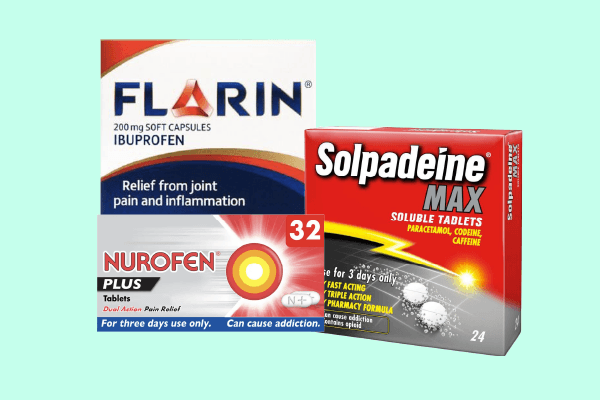
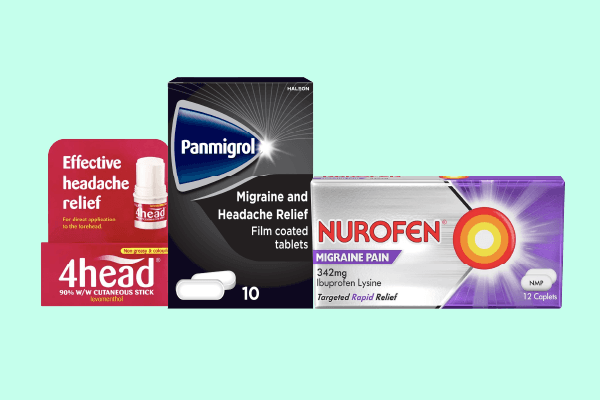
There are treatments that you can use to help relieve symptoms and aid recovery. Over-the-counter pain relief such as ibuprofen and paracetamol can help with discomfort caused by a sinus infection. These can also help to bring down a high temperature and should be taken as per the recommended dosage detailed in the information leaflet.
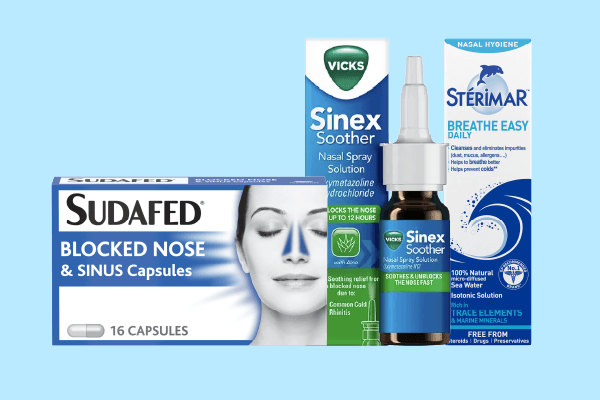
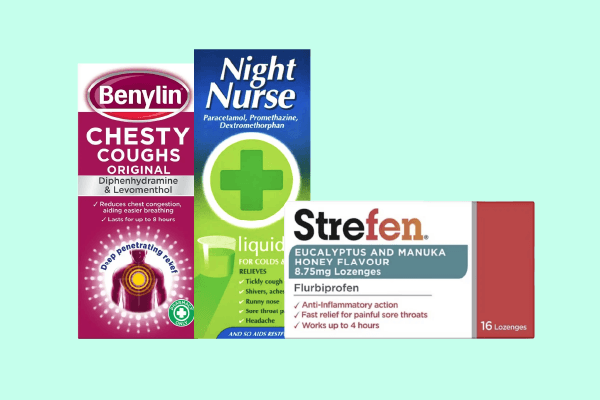
Decongestant treatments can help to ease the symptoms of sinusitis by working to unblock the sinuses and are available without a prescription. It’s important if using decongestant tablets to check their ingredients as many contain pain relief, so you won’t need to take ibuprofen and paracetamol as well.
Nasal sprays are another treatment that could help to reduce swelling and ease symptoms of your sinus infection.
Read and follow the instructions for use in the Patient Information Leaflet and package labelling which comes with the medicine and to not exceed the daily recommended dose, take note of the minimum time interval between doses. Medicines containing xylometazoline and oxymetazoline should only be used for a maximum of 5 days. Talk to a healthcare professional if your symptoms worsen, if you experience any side effects or if you do not feel better after 5 days, as you may need a different treatment. Side effects associated with xylometazoline and oxymetazoline should be reported on a Yellow Card.
Sinus rinses can help to clear out bacteria from the nasal cavity. You can purchase these or make your own using saltwater as the NHS outlines here.