In this Article:
01: Winter advice for dogs02: Winter advice for cats03: Looking after your horse in winter04: Winter tips for small pets05: Phil’s adviceWinter advice for dogs
As some of the most active pets, it’s important to prepare dogs for winter, both in and out of the home.
Exercise and walks
While walking your dog is still a necessity in winter, the drop in temperature and resulting weather changes can make it more challenging to keep your dog safe. Snow, ice, rain, and wind are all potential hazards, so be sure to invest in a snug, warm coat for them. You should also prepare a towel for when you return from your walk, so it’s ready to dry your pooch as soon as you both get back. Focus on their fur, ears, and paws, checking the latter for trapped dirt or grit that might cause infection.
While out on your walks, try to avoid gritted or salted sections of pavement for the same reason and consider investing in boots or paw balm. You can also purchase hi-vis leads, collars, or coats to keep your dog visible as the daylight hours get shorter. Wherever possible, avoid frozen paths, ponds, and lakes.
Comfort and warmth
Keep your dog cosy and warm with thicker or extra bedding at home. This is especially important if their bed is in a room with a tiled, wooden, or hard floor, or if you have a smaller dog with a thinner coat. You might want to consider either an insulated dog bed or raising your dog’s existing bed from the floor to keep your pooch warmer at night.
Diet and hydration
As we turn the central heating up or put the fire on in the colder months, it increases the importance of hydration for dogs. Drastic increases in temperature should be managed by providing your dog with plenty of cool, fresh water for drinking. You may find that your dog becomes more sedentary in the winter months, which may require diet adjustments. Always consult your vet to make sure you aren’t underfeeding or overfeeding your dog.

Winter advice for cats
Cats are naturally curious creatures prone to exploring and roaming around, so it’s important to take precautions to help protect them in winter.
Make your home comfortable
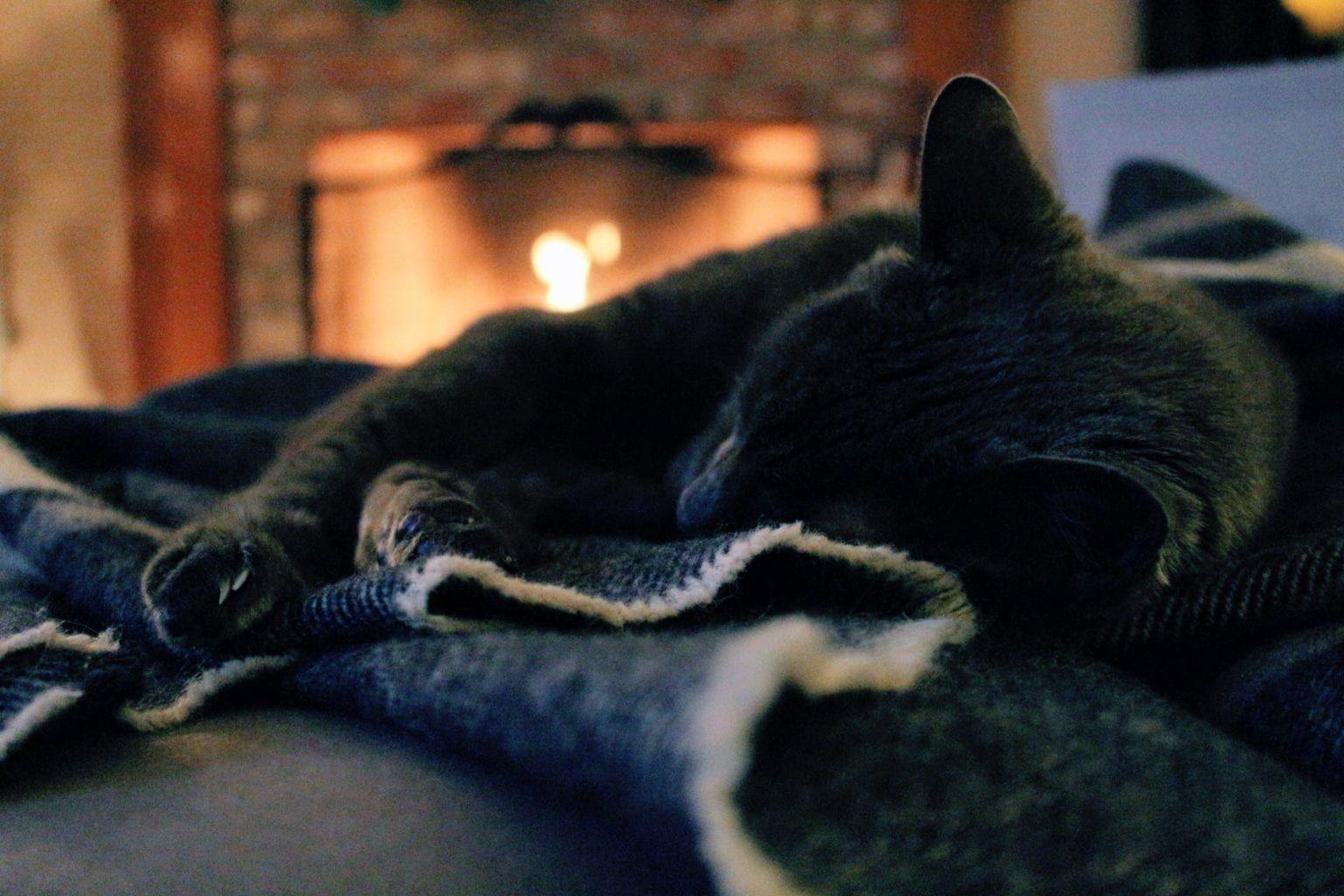
Encourage your cat to spend more time in the home during winter by providing them with a cosy, warm place to sleep and an indoor litter tray for them to use. Cat feeders and toys can also keep them busy and occupied in the home. Temperatures dropping, especially at night, mean that too much time outside can lead to hypothermia and frostbite.
Update microchip details
It’s important to have your cat microchipped with up-to-date details. If your cat is out and about and finds a warm place to stay, you’ll have a much easier time finding them.
Caring for older cats
Older cats may find it more difficult to manage in cold weather, especially if they have conditions like arthritis. Make sure their bed, food, water, and toys are all within reach, and provide them with extra bedding or a heated cat bed to provide additional comfort and warmth.
Protect them and their paws
Many people use antifreeze to de-ice their cars in winter, but even small amounts of this substance can be fatal for cats, so ensure you store it safely and keep it well out of reach of your feline friend.
You should also make a habit of checking their paws whenever your cat comes in from being outside. Grit, salt, snow, and dirt can easily get lodged in your cat’s paws in winter, which can become infected if not removed. Gently wipe any residue from their paws to keep them safe.
Looking after your horse in winter
Protection and shelter
To keep your horse warm and dry during the colder months, make sure that their shelter is insulated, watertight, and free from any leaks or draughts. Stable environments should protect from wind, rain, and snow, while also being well ventilated.
Different breeds deal with the cold differently, but you should leave your horse’s coat to grow naturally to help them keep warm, rugging them only when necessary.
Hydration and feeding
Like some other animals, horses often require more calories in winter to maintain their normal body condition. Speak to your vet to get recommendations about bespoke feeding advice for your horse.
You should also make sure their water remains liquid in colder temperatures by using heated or insulated buckets to prevent freezing.
General winter care
Stick to a consistent grooming routine in winter to ensure that your horse stays clean. Wet, cold weather can raise the risk of thrush and mud fever, so it’s important to ensure their hooves and legs are kept clean and dry. Regular grooming also helps you to spread natural oils, which can protect against the cold, and identify any skin issues early.
When riding during darker hours when daylight is shorter, make sure to wear reflective clothing to ensure drivers can see you and your horse.

Winter tips for small pets
Shelter and warmth
Small pets like guinea pigs and rabbits often live in hutches outside, exposed to cold temperatures, so it’s important to keep them protected in winter. You should ideally raise your pet’s hutch off the ground and place it in a sheltered, dry area out of direct exposure to rain and wind. Your small pet’s home should be well ventilated but not drafty, which will help them to avoid the illness and discomfort caused by a wet or windy hutch.
Keep on top of cleaning your pet’s hutch. As well as the obvious benefits, this will also allow you to check for leaks, holes, or damp.
Insulation and bedding
During the colder months, provide your pet with extra bedding if needed to keep them warm and cosy. Additional straw, hay, and newspaper are advisable, but refrain from providing rabbits and other small animals with blankets, as they are likely to chew them. You can also use microwavable heat pats or thermal hutch covers to keep your pets warm during the long, cold nights.
Food, water, and routines
Closely monitor your pet’s drinking water during the colder months, as bottles are prone to freezing as temperatures plummet, which can leave your small pets without a working water supply. You should also keep an eye on their food consumption, providing them with extra fresh vegetables to help them maintain their body temperature.
Make sure they still get some exposure to daylight during winter to help to regulate their routine. You should interact with your pets daily to keep them sociable and help you spot any warning signs of illness or discomfort. You should also groom them regularly to prevent infection or inflammation.
Change location
If you have convenient access to an indoor space like a garage or shed that is safe for your small pets, you should consider moving them there during the colder months. If you do, make sure hazards like heaters and electrical wires are suitably covered, and check for any gaps that they could escape through.

Phil’s advice
Just like for humans, winter can be a difficult time for your pets to get enough exercise. Try to make sure they still have a chance to move around and get outside.
Your pets may overheat in a heated home due to their thick fur coats, so keep the temperature at a comfortable level, provide plenty of fresh water, and groom your pets regularly to remove excess fur or hair.
Invest in hi-vis clothing and accessories to keep your animals safe and visible to drivers and cyclists when you take them for walks in the dark.