In this Article:
01: Pet anxiety: the types and causes02: Pet anxiety signs and symptoms03: Pet anxiety solutions04: Pet anxiety products05: ConclusionPet anxiety: the types and causes
Pet anxiety varies significantly across different animals, with several categories of anxiety and a range of causes. These are some of the most common types of pet anxiety:
Travel anxiety: Travelling in the car or by other methods can cause some pets to suffer from stress and anxiety.
Separation anxiety: Particularly prevalent in dogs, separation anxiety can leave animals distressed when they’re alone, separated from their owner. It can lead to destructive behaviour, excessive noise, and pets trying to escape.
Social anxiety: This form of anxiety doesn’t just affect humans – pets can suffer from social anxiety too! When pets are in new places or exposed to new people or animals, they can display symptoms of fear, nervousness, and avoidance.
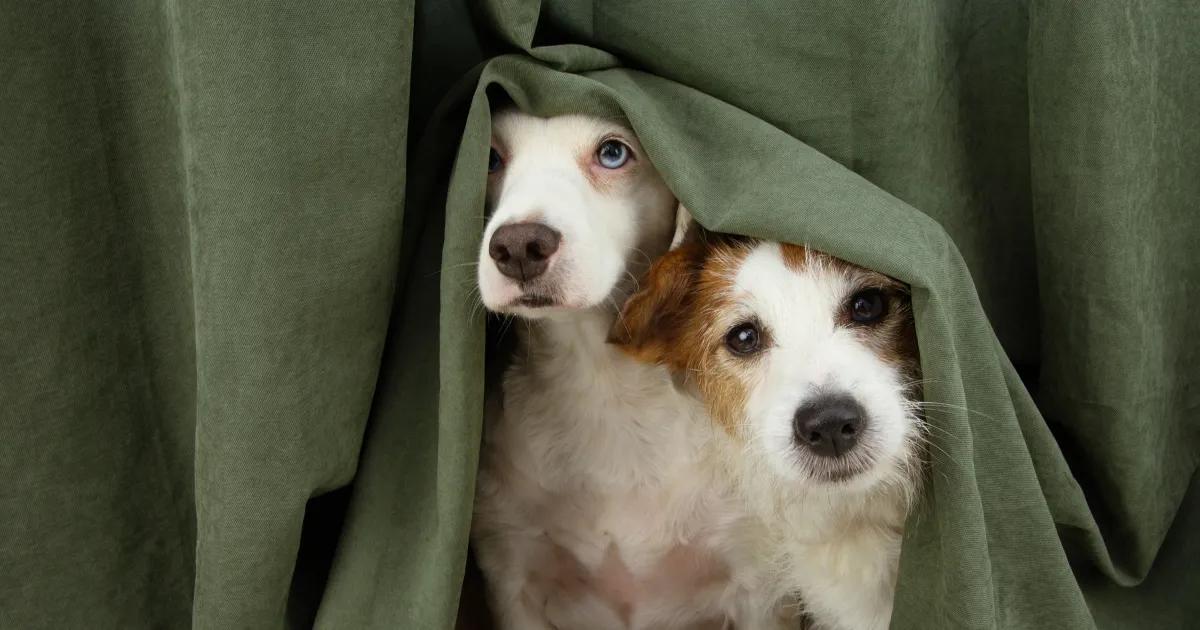
Noise anxiety: Pets can often hide, tremble, pant excessively, or try to escape because of noise anxiety, commonly triggered by fireworks, thunderstorms, shouting, or construction work.
Conflict anxiety: Not dissimilar to social anxiety, conflict anxiety can occur when pets are exposed to other animals. They might display behaviours like fighting, staring, chasing, and blocking.
Pet anxiety signs and symptoms
Pet anxiety can manifest in a range of different ways. Educating yourself about the signs and symptoms of pet anxiety gives you the best possible chance of spotting these behaviours and helping your pet deal with their anxiety.
Destructive behaviour or aggression: Pets can chew furniture, scratch people, dig holes, and display other destructive or aggressive behaviours when they’re suffering from anxiety.
Excessive noise: Vocalising (like barking and meowing) more often than usual can be a sign that your pet is anxious and seeking comfort or reassurance.
Restlessness: Struggling to settle, fidgeting constantly, failing to sit still, pacing around, and constantly moving in circles can be indicators of anxiety.
Shivering or panting: Especially prevalent among cats and dogs, breathing heavily and shivering can be signs of stress and anxiety.
Withdrawal or hiding: Drastic changes in behaviour, such as becoming more withdrawn, can be symptomatic of anxiety. Pets, especially cats, will also sometimes hide in quiet, dark places to feel safer.
Loss of appetite: Eating less, refusing to eat at all, or becoming pickier eaters can all indicate feelings of anxiety.
Clinginess: Pets will often follow you around or seek constant physical contact if they are feeling anxious.
Soiling the home: Pet anxiety can sometimes cause pets, especially dogs, to defecate or urinate indoors.
Pet anxiety solutions
Now you know some of the types of pet anxiety and the behaviours that your furry friends may display if they’re suffering from it, let’s take a look at some potential solutions to pet anxiety.
Try focusing on behavioural techniques to help your pet cope with situations that might cause them to feel anxious. This can help them to cope better, and options include rewarding good behaviour with attention or treats to create positive associations, providing controlled exposure to stressors, and providing pets with a safe space during anxiety-inducing episodes.
If your pet is really struggling and showing signs of extreme anxiety, you should speak to your vet. They may be able to provide tips or treatment, as well as refer you to specialist help. Pet trainers, pet behaviour experts, or local or online support groups might be able to assist you and your pet.
Pet anxiety products
Supplements and medicine can also help reduce pet anxiety. Below are some common products that can help manage anxiety in different ways, but we recommend speaking to your vet first to see what products or treatments they advise for your specific pet and symptoms.
Supplements
Diffusers
Calming kits, including sprays and wipes
Atomisers
Shampoo and conditioner products
Travel kits for travel anxiety
Conclusion
In conclusion, our pets can experience anxiety just like we can, so it’s important to understand the types of pet anxiety, as well as their causes and symptoms, to help you give your pet the best possible care.
Whether it’s travelling, separation, noise, conflict, socialising, or any other type of anxiety, you can help your pet by speaking to your vet and using a range of approaches to support them. Helping your pet manage their anxiety can have a massive impact on their health, wellbeing, and quality of life, so start today!