In this Article:
01: Where is the salt in my diet?02: How much salt should I have in my diet? 03: What foods should I look out for? 04: How can I keep track of how much salt in my diet? 05: What food swaps can you do for your heart health? 06: What other help is available?
Where is the salt in my diet?
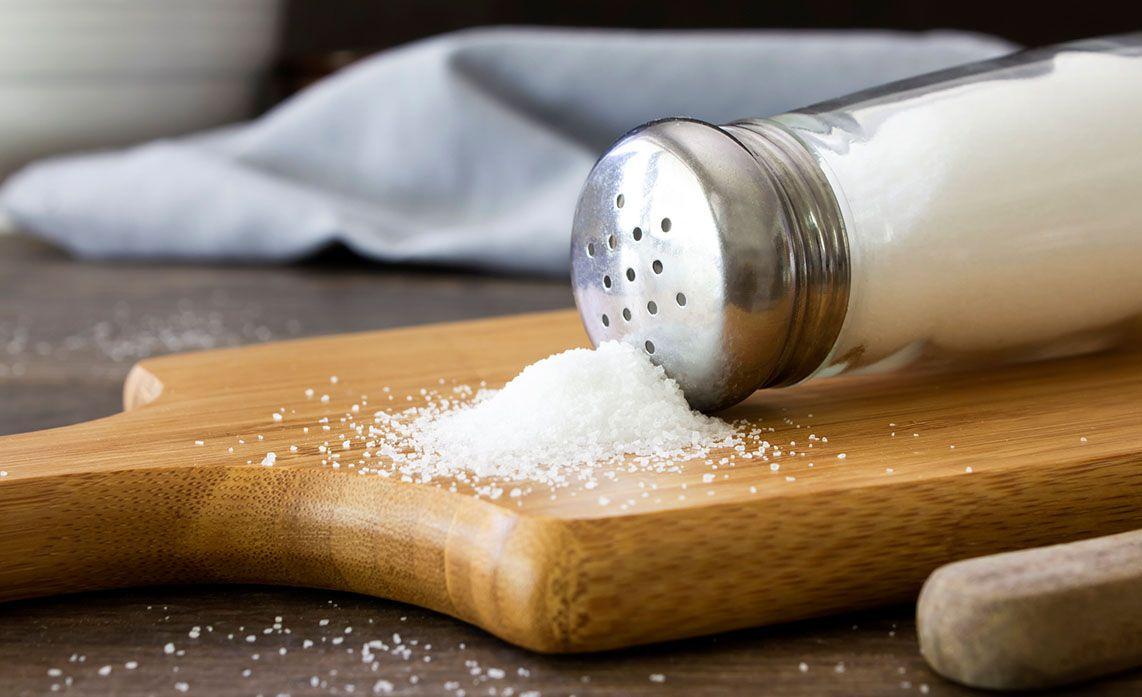
Taking control of your diet is the best way to get a grip on your blood pressure and overall heart health. However, it’s not as simple as sprinkling less salt on your meal, it’s important to know where the salt in your diet comes from.
Did you know that around 75% of the salt in our diets is already added to foods before we buy them? And while some naturally have salt in, others have salt added when they’re packaged or made. Only 15% of the salt in our diets comes from natural sources and 10% is added during cooking or at the table.

How much salt should I have in my diet?
Adults should have no more than 6 grams of salt a day, which is equal to about 1 level teaspoon. This includes salt that’s already in our food, salt added during cooking, and salt added after cooking.
Here’s the NHS-recommended salt intake based on age:
| Age | Amount |
|---|---|
| 11 years and over | No more than 6 grams |
| 7 to 10 years old | No more than 5 grams |
| 4 to 6 years old | No more than 3 grams |
| 1 to 3 years old | No more than 2 grams |
| Under 1 year old | Less than 1 gram |
What foods should I look out for?
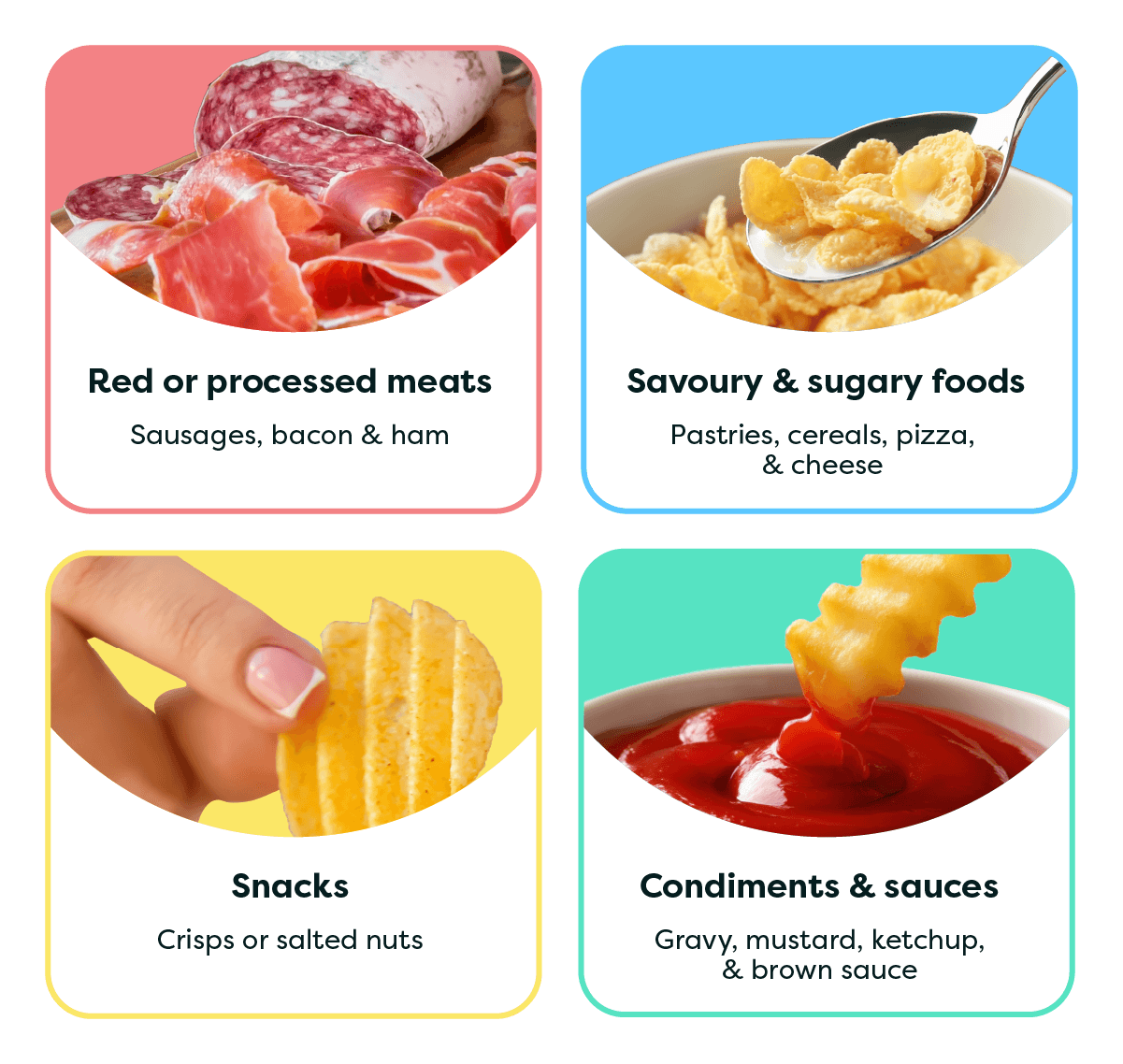
It can be daunting entering a shop or supermarket when you’re trying to follow a heart healthy diet and cut out things that you know aren’t good for you. The following foods are all examples of things to look out for, but if you’re not sure read on to find out how packaging can help you make the right decisions.
How can I keep track of how much salt in my diet?
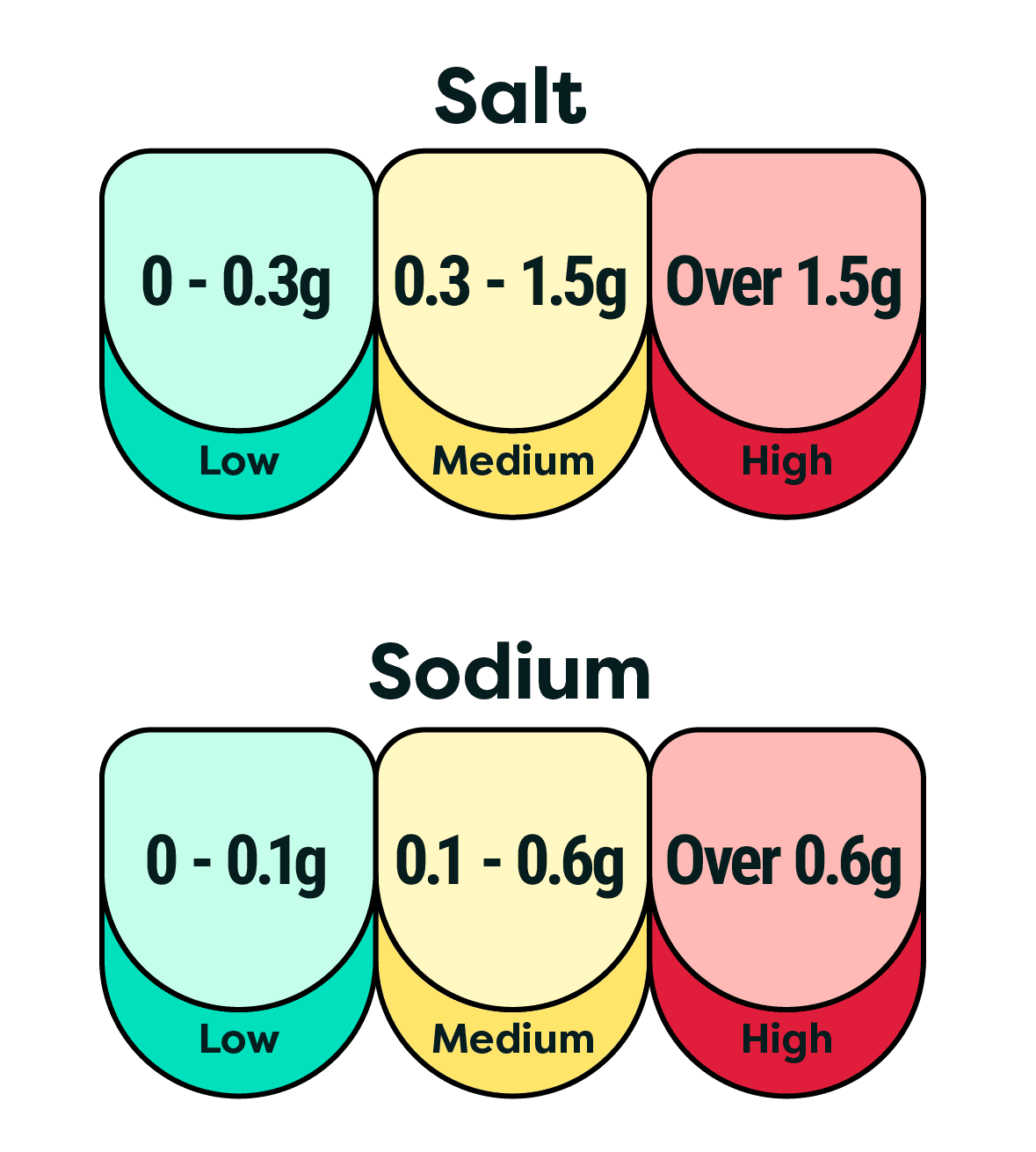
The easiest way to keep track of your daily salt intake is to look at the labels on the packet. Most packaging will include colour-coded nutritional information labels like below.
They’re simple to follow: if you want to eat less salt, avoid foods that have red salt labels, giving preference to greens and ambers instead.
Some labels will have just salt listed, others will have just sodium, and others will have both. The following is the different levels per 100g:
If only sodium is listed on the label rather than salt, you can work out the salt amount by multiplying the amount of sodium by 2.5.
If neither are listed, you should look at the list of ingredients and if you spot things like salt, sodium chloride, monosodium glutamate (MSG), sodium bicarbonate, and sodium nitrate, then it’s likely it will have a high amount of salt.
What food swaps can you do for your heart health?
Enter our very own swap shop, where you can find inspiration to be out with the old diet, and in with a new, heart-friendly approach to eating.
The NHS even has the perfect activity – the Salt Taste Challenge. Cut down your usage over a period of a few weeks and see if you really miss it? You might surprise yourself and boost your heart health and the same time!
| From | To |
|---|---|
| Swap bacon rolls with ketchup or sugary cereal for... | ...egg rolls or wheat biscuit cereal |
| Swap salty snacks like crisps or nuts for... | ...rice cakes, chopped up fruit or veggies, or unsalted nuts |
| Swap sauces like ketchup or gravy for... | ...reduced salt versions or just try to use less than normal |
| Swap ready-made soups for... | ...easy-to-do homemade soups where you can control what goes in |
| Swap salty stock cubes or pots for... | ...vegetable cooking juices |
| Swap processed cheese or meats in sandwiches for... | ...lean cuts of chicken, beef, or tins of tuna |
| Swap takeaways and ready meals for... | ...homemade versions of takeaway favourites |
| Swap the saltshaker on the table for... | ...more herbs and spices in your actual cooking |
What other help is available?
If you want more help reducing salt in your diet, there are number of different resources you can use. The NHS Food Scanner app gives you nutritional information of any foods you can scan and offers healthier alternatives there and then. You can also visit NHS Healthier Families; their Salt page has more info on high sodium foods and alternatives, while Recipes gives you all manner of heart healthy mealtime ideas to work through.

Explore heart health essentials in our Health & Wellness Shop


Other articles you might like
Back to Heart Health