Contraception treatment Yasmin

What is Yasmin?
Yasmin is a combined oral contraceptive (COC) pill that contains synthetic forms of the hormones oestrogen (ethinylestradiol) and progestogen (drospirenone), which are produced naturally in the ovaries. It is widely used as an effective method of birth control.
The combined oral contraceptive pill is often just called "the pill".
What is Yasmin used to treat?
Yasmin is used as a contraceptive pill to prevent pregnancy. It contains two active substances, drospirenone and ethinylestradiol, which work together to regulate the menstrual cycle, inhibit ovulation, and reduce the chances of fertilisation.
Who can and cannot take medicines containing Yasmin?
Before starting Yasmin, familiarise yourself with the following information:
Your doctor will assess your health history, blood pressure, and may conduct additional tests.
It’s important to note that Yasmin doesn't protect against HIV or other sexually transmitted infections.
Inform your doctor if you have or have had the following conditions as Yasmin may not be suitable for you:
blood clots in legs, lungs, or other organs
disorders affecting blood clotting
heart attack, stroke, angina, or related conditions
liver or kidney diseases, tumours, breast cancer, unexplained vaginal bleeding, or allergies to Yasmin ingredients
Avoid using Yasmin if you have liver or kidney impairment.
Warnings and precautions: Contact your doctor immediately if you notice signs of blood clots, and inform them if you currently have, or have previously experienced breast cancer, liver disease, diabetes, depression, or inflammatory bowel disease.
Blood clot risks: Understand the risks of blood clots, recognise symptoms, and seek medical attention promptly if needed. Factors like obesity, family history of clotting disorders, immobility, age, and recent childbirth can increase your clotting risk.
Certain medications may affect Yasmin's effectiveness or cause unexpected bleeding. Always inform your doctor about all medications and herbal products you’re currently taking.
Yasmin is not for use during pregnancy. If pregnant, stop immediately and consult your doctor.
Breastfeeding women should seek clinical guidance before using Yasmin.
The combined pill is not suitable if you are over 35 and smoke, or if you have certain medical conditions.

How effective is Yasmin as a contraceptive?
When taken correctly, the pill is over 99% effective at preventing pregnancy. This means that fewer than 1 in 100 who use the combined pill as contraception will get pregnant in 1 year.
Contraception medicines
 More info
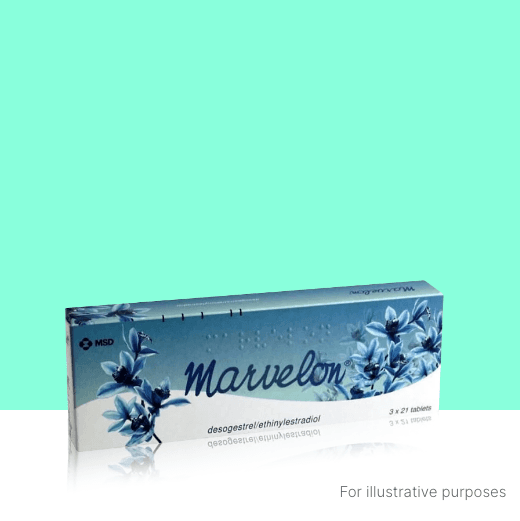
Marvelon
30/150 mcg63 tablets - £15.00
126 tablets - £28.00
252 tablets - £55.00 More info
Millinette 20/75 30/75
20/75mcg 30/75 mcg63 tablets - £15.00
126 tablets - £25.00
252 tablets - £45.00 More info
Microgynon 30 ED
30/150 mcg84 tablets - £14.00
168 tablets - £20.00
336 tablets - £33.00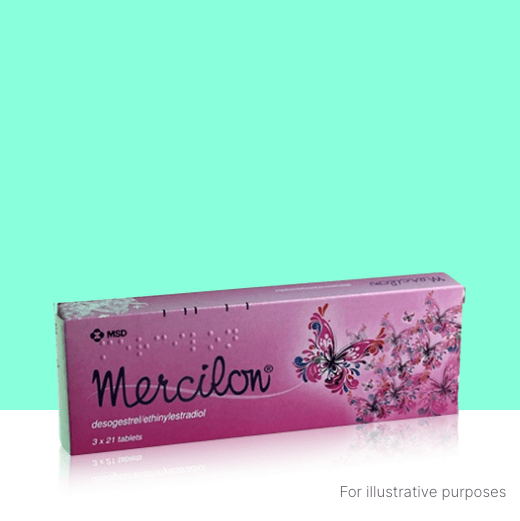 More info
Mercilon
20/150 mcg63 tablets - £20.00
126 tablets - £30.00
252 tablets - £50.00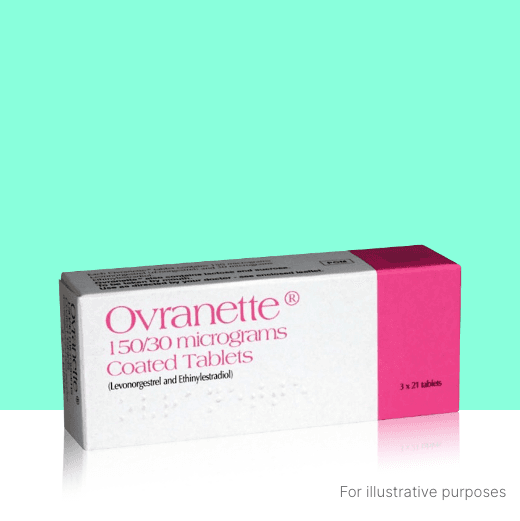 More info
Ovranette
30/150 mcg63 tablets - £15.00
126 tablets - £25.00
252 tablets - £35.00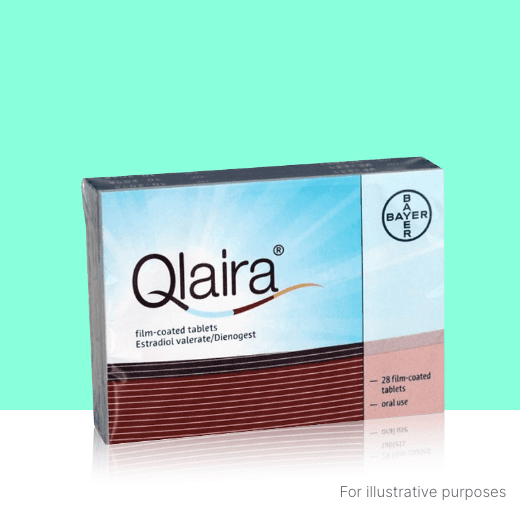 More info
Qlaira
84 tablets - £35.00
168 tablets - £60.00
336 tablets - £110.00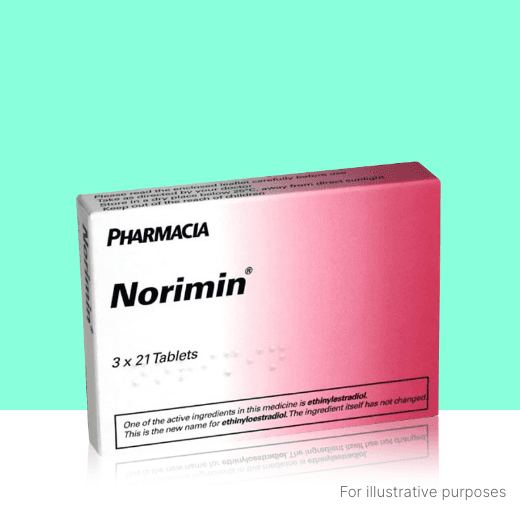 More info
Norimin
35/500mcg63 tablets - £20.00
126 tablets - £35.00
252 tablets - £65.00 More info
Logynon
63 tablets - £14.00
126 tablets - £25.00
252 tablets - £40.00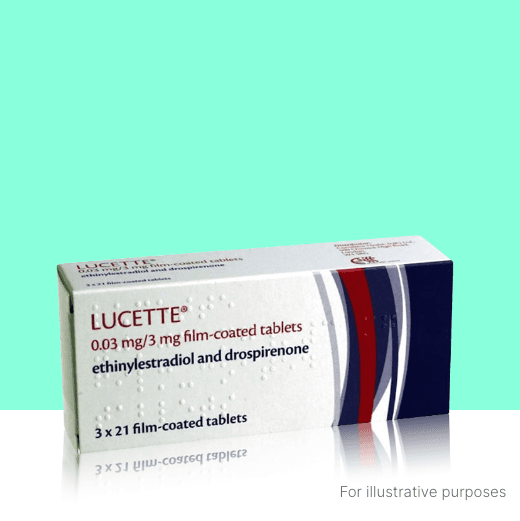 More info
Lucette
30mcg/3mg
63 tablets - £18.00
126 tablets - £30.00
252 tablets - £55.00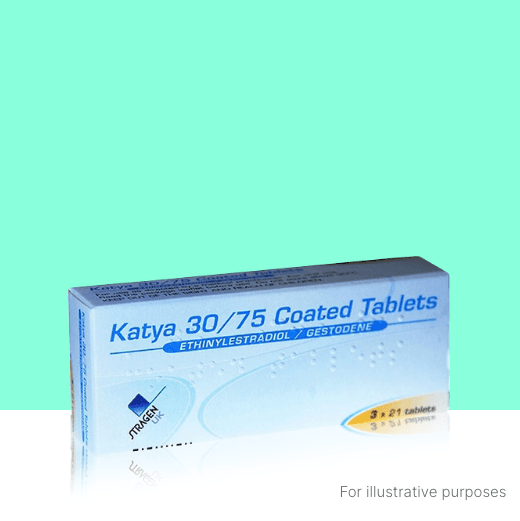 More info
Katya
30/75mcg63 tablets - £15.00
126 tablets - £25.00
252 tablets - £45.00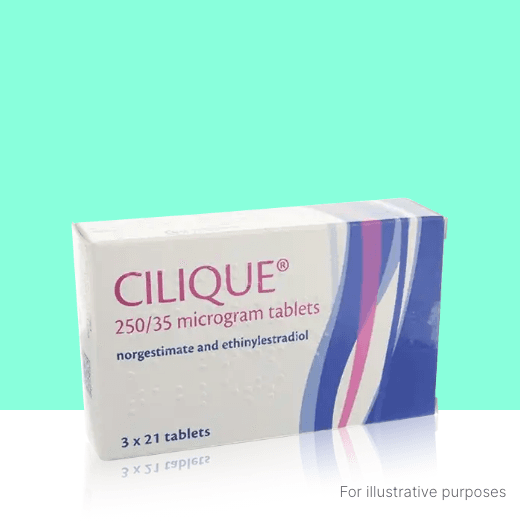 More info
Cilique
250/35mcg63 tablets - £18.00
126 tablets - £30.00
252 tablets - £54.00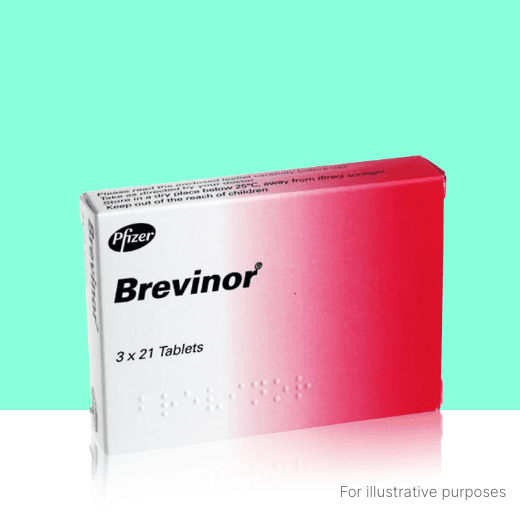 More info
Brevinor
0.5mg/35mcg63 tablets - £18.00
126 tablets - £27.00
252 tablets - £54.00 More info
Microgynon Tablets
30mcg/150mcg63 tablets - £15.00
126 tablets - £25.00
252 tablets - £33.00 More info
Yasmin Tablets
0.03/3g63 tablets - £26.00
126 tablets - £45.00
252 tablets - £90.00
Effective for treatment of acne More info
Rigevidon Tablets
30/150mcg63 tablets - £15.00
126 tablets - £25.00
252 tablets - £45.00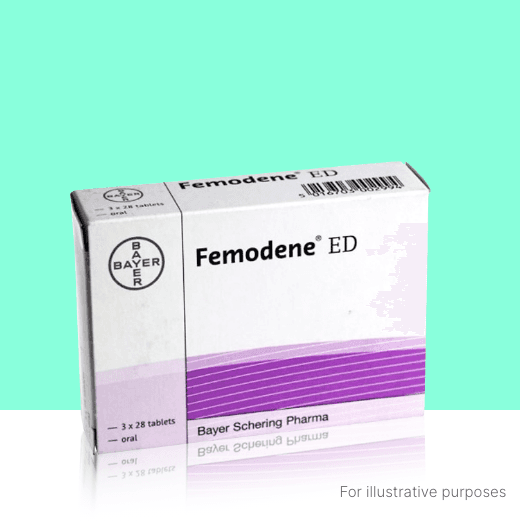 More info
Femodene
30/75 mcg63 tablets - £15.00
126 tablets - £25.00
252 tablets - £45.00
 More info
Cerazette Tablets
75mcg84 tablets - £19.00
168 tablets - £35.00
336 tablets - £60.00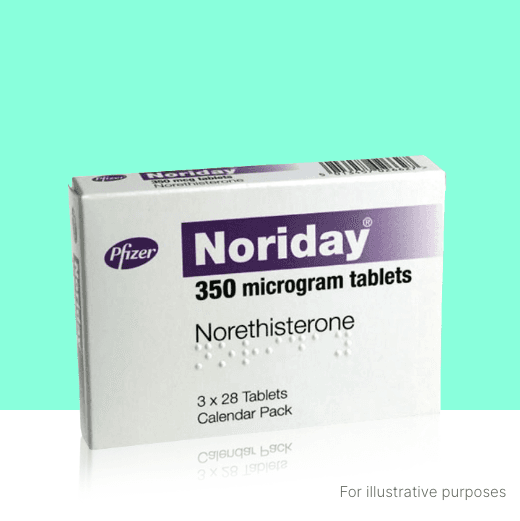 More info
Noriday
350 mcg84 tablets - £10.00
168 tablets - £17.00
336 tablets - £30.00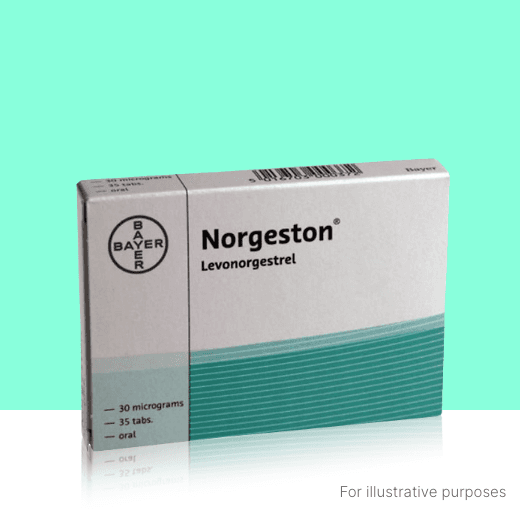 More info
Norgeston
30 mcg105 tablets - £10.00
210 tablets - £17.00
420 tablets - £30.00 More info
Desogestrel Tablets
75mcg84 tablets - £15.00
168 tablets - £25.00
336 tablets - £45.00
 More info
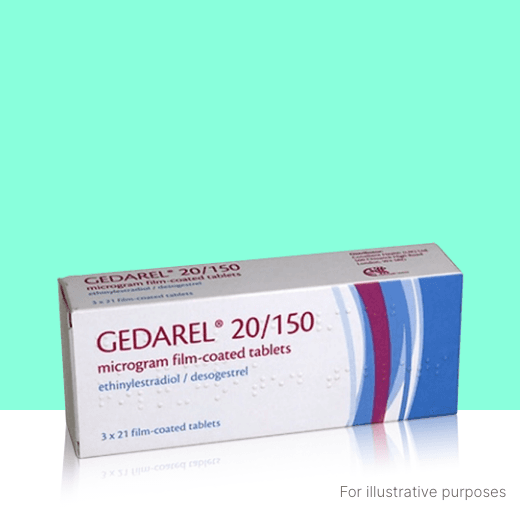
Gedarel 20/150
20/150 mcg63 tablets - £20.00
126 tablets - £35.00
252 tablets - £50.00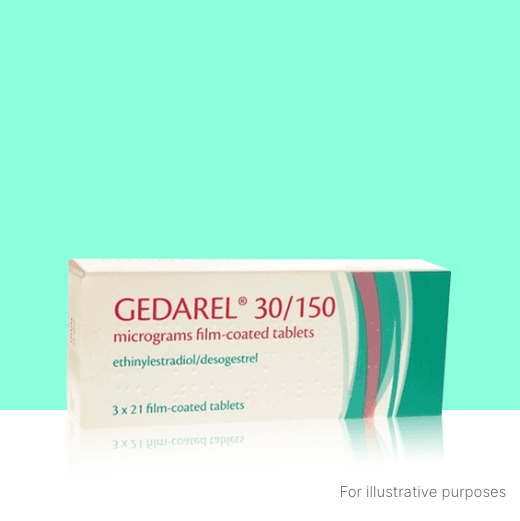 More info
Gedarel 30/150
30/150 mcg63 tablets - £15.00
126 tablets - £25.00
252 tablets - £45.00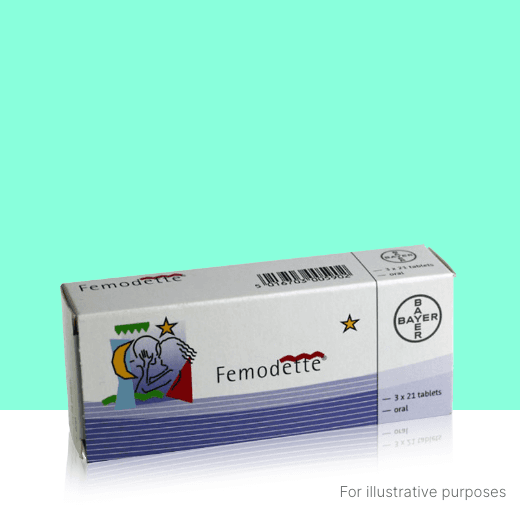 More info
Femodette
20/75mcg63 tablets - £15.00
126 tablets - £25.00
252 tablets - £45.00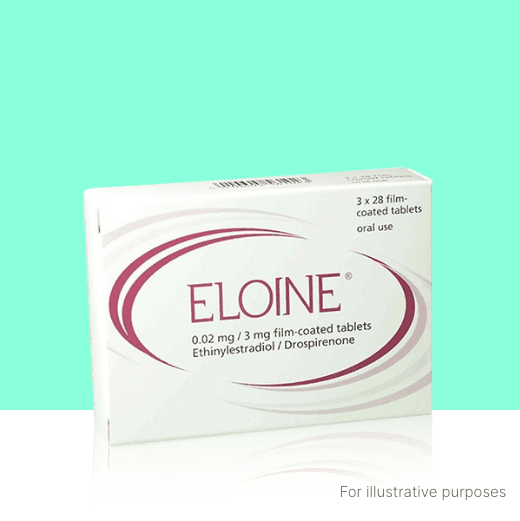 More info
Eloine
20mcg/3mg84 tablets - £25.00
168 tablets - £45.00
336 tablets - £85.00



Meet our expert clinical team
Introducing the expert clinical team behind our range of healthcare services who uphold the highest clinical standards across everything we do.
Frequently asked questions
As with any medication, Yasmin may cause side effects, though not everyone experiences them. If you encounter any side effects, especially if they are severe or persistent, or if you notice any changes in your health that might be related to Yasmin, consult your doctor.
Increased risk of blood clots: All women taking combined hormonal contraceptives face an elevated risk of blood clots in veins (venous thromboembolism (VTE)) or arteries (arterial thromboembolism (ATE)).
Possible serious side effects:
Severe allergic reaction: Swelling of the face, lips, mouth, tongue, or throat.
Signs of breast cancer: Dimpling of the skin, changes in the nipple, or any visible or palpable lumps.
Signs of cervical cancer: Vaginal discharge with odour and/or blood, unusual vaginal bleeding, pelvic pain, painful sex.
Signs of severe liver problems: Severe upper abdominal pain, yellowing of the skin or eyes (jaundice), hepatitis, generalised itching.
If you experience any of these symptoms, consult a doctor promptly. Consider discontinuing Yasmin if advised by your healthcare provider.
Common side effects (1 to 10 in every 100 users):
depressive mood
headache, migraine
nausea
breast pain, breast tenderness, menstrual disorders, bleeding between periods, thick whitish vaginal discharge, vaginal yeast infection.
Uncommon side effects (1 to 10 in every 1,000 users):
breast enlargement
altered interest in sex
high or low blood pressure
vomiting, diarrhoea
acne, severe itching, skin rash, hair loss (alopecia)
vaginal infection
fluid retention
body weight changes
Rare side effects (1 to 10 in every 10,000 users):
hearing impairment
asthma
breast secretion
allergic reactions (hypersensitivity)
skin conditions like erythema nodosum (painful reddish skin nodules) or erythema multiforme (rash with target-shaped reddening or sores).
Blood clots can occur in veins (e.g., DVT), arteries (e.g., PE), or other organs, leading to conditions like heart attack, stroke, or transient ischaemic attack (TIA). The risk may be higher with certain pre-existing conditions, it is important to inform your doctor of any conditions or risk factors before using Yasmin.
There is no evidence that the pill will make you gain weight.
There may be a link between the pill and depression but evidence is mixed and further research is needed.
Yasmin comes in the form of film-coated tablets. The tablets are round, light yellow, and have convex surfaces. One side of the tablet is marked with the letters "DO" in a regular hexagon. Each tablet contains 0.030 milligrams of ethinylestradiol and 3 milligrams of drospirenone as active substances. In addition to the active ingredients, the tablets also contain other components like lactose monohydrate, maize starch, pregelatinised maize starch, povidone K25, magnesium stearate, hypromellose, macrogol 6000, talc, titanium dioxide, and iron oxide yellow.
The standard way to take the pill is to take 1 every day for 21 days, then have a break for 7 days, and during this week you have a bleed like a period. You start taking the pill again after 7 days.
You may be able to take some types of pill with no or shorter breaks (a tailored regime), which may reduce some side effects. Speak to a doctor or nurse about your options.
You need to take the pill at around the same time every day. You could get pregnant if you do not do this, or if you miss a pill, vomit or have severe diarrhoea.
Some medicines may make the pill less effective. Check with your doctor if you're taking any other tablets.
If you have heavy periods or painful periods, PMS (premenstrual syndrome), or endometriosis - the combined pill may help.
The pill does not protect against sexually transmitted infections (STIs), so condom use is recommended in combination with this contraceptive.
Testimonials & reviews


Rated excellent with 400,000+ reviews as of October 2023
Worry free service
This service has taken all the worry out of ordering repeat perscriptions. They remind you when perscriptions are due & they are posted & within a couple of days they are there on your door mat. Exemplary service. Thank you.
Hester Pendino

Great service
Great service. With good liaison with my GP. And order always efficiently delivered. So much easier than queueing at the local chemist. I started using Pharmacy2U during the pandemic and no turning back.
Hilary Simpson
The help line staff were excellent
The help line staff were excellent, they understood my issue straightaway, told me they would need to speak to a line manager and would get back to me. The same person got back to me later in the day with an answer, issue resolved
Linda Lauren

Great user friendly service
This is a very easy service to use.
I order my medication online from the drs it goes straight through to Pharmacy2U they confirm they have received it and it is sent out for delivery. With emails keeping me informed of its status all along the way.Neil Etheridge
I get reminders when I need to order
I get reminders when I need to order. It is easy to order and I get updates to let me know how my order is progressing. Within a very short time it is put out for delivery. It is then up to Royal Mail to post it through my letterbox.
Janet Tittensor
Losing the monthly stress
Being able to request my prescription from the doctors and knowing that the items I require will be delivered to my door without delay. Originally I would go to the pharmacy after a 5 day wait to find that my prescription was not ready, so thank you for making my life easier.
Pat Cruttenden
Excellent service
Excellent service. Timely as ever. Prompted by P2U to re-order. From sending order to receipt was 7 days. Excellent as it includes GP’s approval sign off.
Ceijag