In this Article:
01: 1. Multi-cat households02: 2. Sustainability focus03: 3. Cat-ifying the home04: 4. Preventative care05: 5. Feeding enrichment and hydration06: Conclusion1. Multi-cat households
Multi-cat households are common in the UK, with the Cats Protection CATS Report UK 2025 finding that 34% of cat-owning households have two or more cats.
While cats can sometimes be categorised as asocial, cat behaviour is highly varied, and social preferences differ significantly from animal to animal. Some form close bonds with other cats, while others prefer their own space. Introduce unfamiliar cats gradually and provide enough separate resources, including feeding areas, water bowls, resting places and litter trays. While some domestic cats may prefer their own company, many with early exposure to other animals can be much more sociable.
Cats from the same litter or who have spent time together from an early age often get on well, while new cats can be introduced into a home carefully and still build strong social bonds with owners and other cats.
2. Sustainability focus
There is a growing interest in sustainability across different elements of cat ownership, from food and litter to cat accessories and toys.
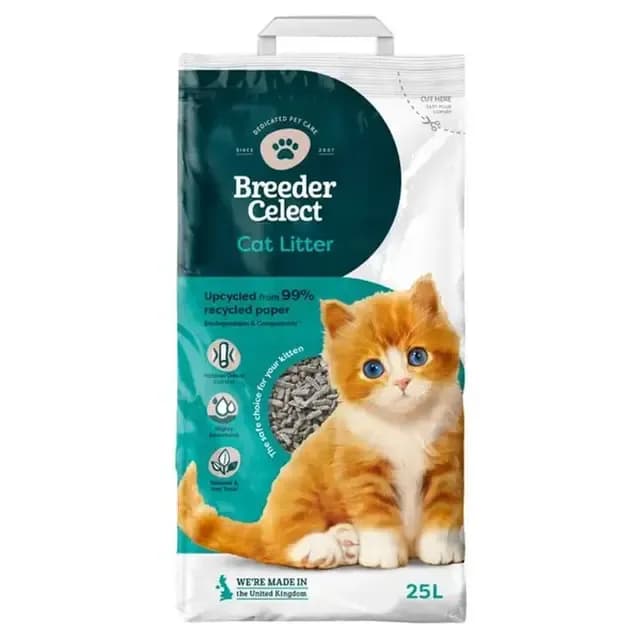
Cat litter is available in several materials, including clay, wood and recycled paper. Owners interested in products made using recycled materials may wish to consider options such as Breeder Celect, which is made using 99% recycled paper. Environmental impacts vary depending on the materials, manufacturing, packaging, transport, and disposal method.
Ethically sourced cat food and packaging is a popular choice for owners, while toys, accessories, and furniture that are either upcycled or made of renewable materials are also prevalent across the industry.
3. Cat-ifying the home
Speaking of cat furniture, maximising home space to cater for feline friends is a big current trend for cat owners.
The CATS Report UK 2025 found that 38% of cats were reported as always living indoors. For cats that spend some or all of their time inside, hiding places, scratching areas, play opportunities and safe elevated spaces can help create a more stimulating environment.
‘Verticalising’ is a term for building upwards and using height to maximise space for your cat, rather than just expanding horizontally across the floor. This can include buying or building cat trees or floor-to-ceiling towers, putting up staggered floating shelves or walkways, or attaching cat perches or hammocks to walls or windows.
When thinking about verticalising, you should ensure that shelves or similar are securely attached to walls, positioned away from windows, unstable objects, or hot surfaces, and that you provide multiple routes off furniture, especially if you have more than one cat, to prevent them getting stuck. You could also consider investing in secure, pet-safe, non-slip surfaces to let your cats jump and land safely.

4. Preventative care
Preventative care is a major focus of modern pet care, and this is also the case for cats. There has been a shift from reactive care to proactive wellness, aided by advancements in wearable pet tech, automated care, and technology that can track activity, sleep, and warning signs of ill health. The CATS Report UK 2025 found that 40% of owners use at least one electronic or smart product for their cat.
Please note that technology may help owners notice changes in activity, sleep, or routine, but it does not replace veterinary assessment.
As well as cat collar tech, behaviour monitors, and other at-home technology solutions becoming more prevalent, veterinary care is also more focused than ever on detection and prevention. Preventative care can include vaccinations, dental checks, weight monitoring and appropriate parasite control. Ask your vet or another appropriately qualified animal-health professional which flea, tick and worm measures are suitable for your cat and how often they should be used.
5. Feeding enrichment and hydration
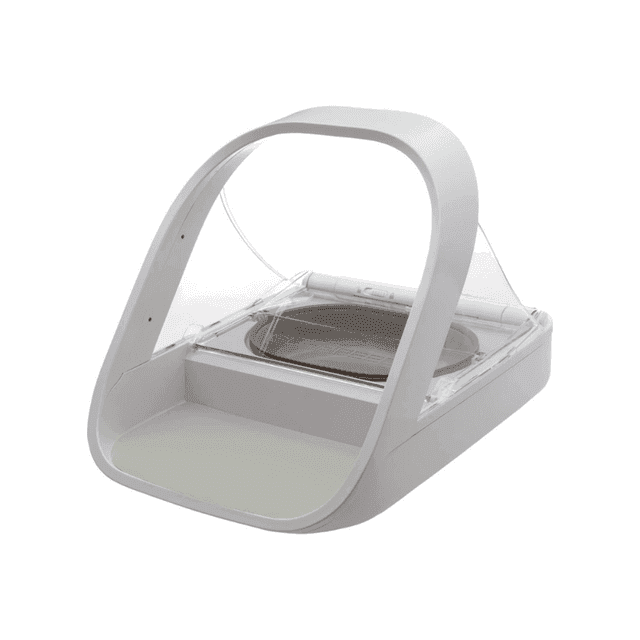
Technology has also affected the way owners feed their cats, with microchip-activated feeders and cat bowls that may help manage access to food and portion sizes, especially in multi-cat homes or where pets are being fed different diets.
Owners also practice ‘enrichment feeding’, which involves introducing interactive feeding toys, puzzles, or foraging games into a cat’s feeding routine, rather than only using a food bowl or conventional feeder. Puzzle feeders may provide mental and physical stimulation and encourage natural searching and hunting behaviours.
Owners are also prioritising water intake for their feline friends. Cats need more water in hot weather to help regulate body temperature, replace lost fluids, and keep vital organs functioning. Many owners are gradually replacing dry kibble with wet food, as many wet cat foods contain around 70–80% water, or adding pet-safe broth with no onion, garlic, or added salt or spring water from canned tuna occasionally to dry food to increase water intake.
It’s important to note that wet or dry food can be suitable, provided it is complete and appropriate for the cat’s age, health and lifestyle. Any significant dietary change should be introduced gradually.
Conclusion
So, there you have it: five recent cat trends. The CATS Report UK 2025 suggests that more owners are actively researching their cats’ needs. Smart products, feeding enrichment and preventative care can all play a role, but products should be appropriate for the individual cat and used alongside attentive care and professional veterinary advice when needed.
From an increased focus on preventative care and diet to making your home suitable for multiple cats, all signs point towards owners making more informed, conscientious decisions about caring for their feline friends. These trends are not intended to be a definitive ranking, and the right approach will depend on each cat’s health, behaviour, age, and living environment.
For more information about caring for your cat, visit our Pet Health Hub. You can also explore our range of cat-care products in the cat section of our shop.
You might also be interested in...
Back to Pet Health