HEALTH HUB
Diabetes type 2
Explore expert type 2 diabetes advice, from prevention to treatment and management.

Looking for advice and support for type 2 diabetes?

Monitoring your condition in type 2 diabetes

Controlling type 2 diabetes to reduce complications
Expert type 2 diabetes support and advice
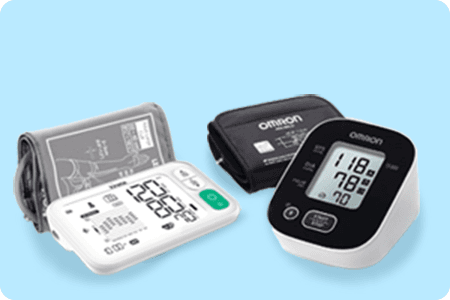
Monitoring options for type 2 diabetes
Keep an eye on your diabetes through regular health checks and management.





Is your weight impacting your health?

Know your BMI
Help managing type 2 diabetes
Help prevent diabetes complications with daily healthcare.


Frequently asked questions
Symptoms of type 2 diabetes vary and can be easy to miss. However, there are some common signs to look out for. These include:
Feeling thirstier than usual
Peeing a lot, especially at night
Feeling unusually tired, even after a good night’s sleep
Losing weight without trying
Blurred eyesight
Feeling more hungry than usual
Cuts or wounds taking longer to heal
Genital itching or thrush
Not everyone gets these symptoms and they may develop gradually, but if you do notice any, it is a good idea to talk to a doctor for advice. Read more about symptoms, causes and risk factors for type 2 diabetes in the article Are you heading for diabetes? Here is what you need to know.
Yes, type 2 diabetes can sometimes be reversed (remission). This usually depends on how severe the diabetes is, how early it is diagnosed, and lifestyle changes such as weight loss, a healthy diet and regular exercise. Remission may be more difficult for people who have had diabetes for many years or have severe complications. Even in these cases, improving blood sugar control can help to reduce complications and improve quality of life. Everyone who has type 2 diabetes should keep monitoring their blood sugar levels and work closely with their doctor or diabetes healthcare team to adjust their treatment and lifestyle as necessary.
In the past, people with type 2 diabetes were often told to cut out sugar, or given a list of foods they were not allowed to eat. The advice now is to make healthier choices more often, and only have treats occasionally and in small portions.
Generally it is best to avoid foods labelled ‘diabetic’ or ‘suitable for diabetics’. Diabetes UK and the European Commission state that there is no role or benefit from the use of diabetic foods. You should also try to avoid eating too much red and processed meat or highly processed carbs like white bread.
If you are finding it difficult to improve your diet, try making just one small change a week. Read more in this article about how to perfect your type 2 diabetes diet.
Regular exercise helps manage type 2 diabetes because being physically active supports insulin to work in the body. This helps keep blood sugar levels within target and helps prevent other health problems linked to diabetes, known as complications. Exercise also aids weight loss, which along with other lifestyle changes, can help reverse type 2 diabetes.
There is not one type of exercise that is best. The NHS recommends that people with type 2 diabetes try to spend at least 2.5 hours across a whole week either walking or doing another activity that leaves them out of breath.
Balancing exercise with a healthy diet is the best way to help manage type 2 diabetes. Find out more in this article about the relationship between diet and exercise.
The latest treatments for type 2 diabetes focus on medication and lifestyle.
Mounjaro (tirzepatide) is an approved treatment for adults with poorly controlled type 2 diabetes. This once a week injection can help with weight loss.
There are several other new medications for type 2 diabetes being investigated in clinical research studies which may become available in the future. It is best to ask your doctor or diabetes healthcare team about the latest treatments for type 2 diabetes
The NHS Type 2 Diabetes Path to Remission Programme is a new initiative across England, that offers a low calorie, total diet replacement treatment for people who are living with type 2 diabetes and are obese or overweight. Soups, shakes and bars totalling 800–900 calories per day replace meals for 12 weeks, and this is followed by support to reintroduce healthy foods. Similar programmes are available in Wales, Scotland and Northern Ireland. Find out more from your doctor or diabetes healthcare team at your next appointment.
The DiRECT clinical research study showed that weight loss can put type 2 diabetes into remission. Remission means blood sugar levels return to a non-diabetes range long term, without the need for diabetes medication. In the study, people who lost more than 15 kg had an 86% remission rate.
Maintaining weight loss is key to keeping diabetes in remission. Always talk to a doctor before starting any weight loss plan, especially if you have type 2 diabetes or are on medication.
Understanding and checking blood sugar levels regularly can be an important part of managing type 2 diabetes. When blood sugar levels are too high this is called hyperglycaemia. For many people, a level above 7.0 mmol/L before a meal and 8/5 mmol/L 2 hours after a meal would be considered too high a level of blood sugar. Blood sugars levels that are too low (hypoglycaemia) may also be dangerous. This is usually below 4 mmol/L.
Target blood sugar levels in type 2 diabetes will be different for everyone and you should always agree yours with a doctor or diabetes healthcare team.
Although rare in type 2 diabetes, high blood sugar levels over a few weeks can cause serious health conditions. If you have type 2 diabetes and are peeing a lot, feel very thirsty, sick, confused, sleepy or short of breath, call 999 or go to A&E.
While type 1 and type 2 diabetes both involve high blood sugar levels, they are different in terms of causes, symptoms and treatment.