In this Article:
01: Common vaginal conditions02: Other common intimate conditions03: Chlamydia04: Genital warts (HPV)05: Genital herpes (HSV-1/HSV-2)06: Bleeding between periods or after sex
Common vaginal conditions
Vaginal issues, such as thrush, dryness, and bacterial vaginosis, for example, are very common and can usually be treated without having to go to a GP.
Thrush
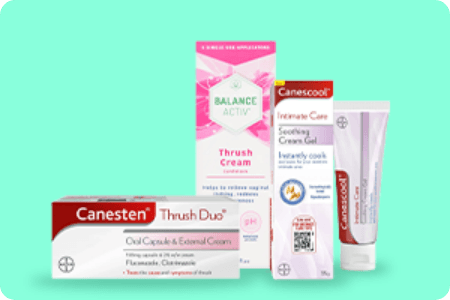
Thrush is an infection caused by a yeast-like organism called Candida Albicans. This is a very common organism that is found naturally in the vagina of any healthy woman and does not usually cause any symptoms. However, a change in the pH levels of the vagina may disturb the balance between Candida and other organisms allowing Candida to flourish.
Bacterial Vaginosis (BV)
Bacterial Vaginosis is a very common cause of abnormal vaginal discharge resulting from a change in the natural balance of bacteria in the vagina. BV is not caused by poor hygiene and can often be a result of excessive washing.
If you think you have BV for the first time, it is important to see your GP to confirm the diagnosis. After that, treatments are available over the counter. Always speak to your pharmacist before buying medication, as some products may not be suitable for everyone.
Vaginal dryness
Vaginal dryness is a common condition that many women experience at some point in their lives. It’s often associated with perimenopause and menopause. Symptoms include:
Feeling sore or itchy
Discomfort during sex
Needing to pee more often than usual
Recurring urinary tract infections [UTI’s]
It’s linked to changes in your hormone levels that can occur for several reasons, including:
Going through the menopause
Breastfeeding
Taking the contraceptive pill or antidepressants
Having a hysterectomy or undergoing cancer treatment
It can also be a result of using perfumed soaps or washes around your vagina or having an underlying condition such as diabetes. There are products you can try before deciding to see a GP. Most are available from the pharmacy without a prescription and include:
Water-based lubricants for before sex
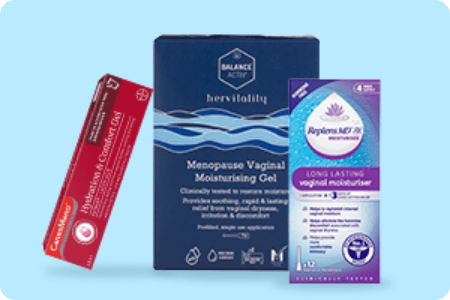
Vaginal moisturisers
Unperfumed soaps and washes for your vagina

Other common intimate conditions
As well thrush, dryness, and bacterial vaginosis, there are other intimate conditions it helps to be aware of so that you can get the appropriate help from your GP.
Cystitis
Cystitis is the inflammation of the bladder and may be caused by a urinary tract infection (UTI). It's especially common in women as they have a shorter urethra than men. It often gets better by itself but may need medical attention if it persists longer than three days, is accompanied with lower back pain, you have a fever, or if your symptoms don’t improve a few days after starting treatment.
Some people get cystitis frequently and may need regular or long-term treatment. Symptoms include:
Pain, burning, or stinging when you pee
Needing to pee more often and urgently than usual
Pee that's dark, cloudy, or strong smelling
Pain low down in your tummy
UTIs in children and older people can cause more complex symptoms and should be assessed by their GP.
Treating cystitis
Take paracetamol to reduce pain – always follow the guidance on the pack
Drink plenty of water
Place a hot water bottle wrapped in a towel over your lower tummy
Avoid having sex while you’re experiencing symptoms
Avoid drinks that may irritate your bladder, like citrus fruit juices, coffee, and alcohol
Pee as soon as you feel the need to go
You might want to consider cystitis sachets or cranberry drinks to help prevent cystitis
Our NHS pharmacy First service can help if you suspect you may have cystitis. Book a free appointment with one of our pharmacists for advice and to discuss possible treatments.
If you have recurring cystitis or have a UTI while pregnant, speak to your GP or midwife.
Chlamydia
Chlamydia is one of the most common sexually transmitted infections (STIs) in the UK. It is passed on through unprotected sex and is particularly common in sexually active teenagers and young adults. Many women don’t notice any symptoms, but the most common include:
Pain when urinating
Unusual vaginal discharge
Pain in the tummy or pelvis
Pain during sex
Bleeding after sex
Bleeding between periods
If untreated, chlamydia can spread to the womb and cause a serious condition called pelvic inflammatory disease which could affect your fertility. If you think you have chlamydia, seek medical advice through your GP or by contacting your local sexual health clinic. Chlamydia can usually be treated effectively with antibiotics.
Genital warts (HPV)
Genital warts are small skin growths caused by the human papillomavirus (HPV) that can develop on or around the anus, penis, or vagina. HPV is a common STI, with over 80% of sexually active people getting an infection at some point in their lives, although not every strain of HPV causes genital warts. The virus spreads via sexual contact with an infected person, with warts forming weeks, months, or even years after the infection was contracted.
Genital warts can appear:
around the vagina and on the penis
around the anus
on the skin between the genitals and anus (perineum)
Genital warts may:
appear on their own or in a group (groups of warts can look like a cauliflower)
feel soft or firm
be white, red, skin-coloured, or darker than the surrounding skin
They can often clear up on their own, within six months or so of appearing. But sometimes you may need a treatment to help get rid of them. You can find help for genital warts with Pharmacy2U’s Online Doctor service, which may suggest Aldara, a prescription-only cream that helps the body combat the wart-causing HPV, or Warticon, a topical treatment that prevents the growth and multiplication of cells.
Some people might be eligible for the HPV vaccine, if you haven’t already contracted the infection. It is offered to all children aged between 12 and 13 (since 2008) to protect against the increased risk of associated complications like cervical and penile cancer. Adults believed to be at a higher risk of HPV can also get the vaccine on the NHS, including those living with HIV, trans people, and sex workers.
The best way to reduce your risk of contracting HPV and developing genital warts is to practice safe sex. Using condoms is advised, but the infection can still be spread through skin-to-skin contact. You should avoid having sex until any treatment for genital warts is complete. You should also not share sex toys.

Genital herpes (HSV-1/HSV-2)
Sexually transmitted infections may be embarrassing, but with as many as 7 in 10 people (70%) in the UK population having HSV-1 and approximately 1 in 10 people (10%) having HSV-2, you’re not alone when it comes to genital herpes. It is spread from skin-to-skin contact through unprotected sexual intercourse with someone who has HSV-2, or oral sex if one partner has a cold sore (HSV-1).
Symptoms of genital herpes include:
Small blisters that burst to leave red, open sores around your genitals, anus, thighs, or buttocks
Genital tingling, burning or itching around your genitals
Pain when you pee
Discharge that is not usual for you
People with herpes are not always infectious. It’s important to know that the condition ‘flares up’ and symptoms may present at this time, which is when it’s most likely to be transmitted. However, symptoms aren't always obvious, so it’s best to always be cautious whenever you have sex.
Bleeding between periods or after sex
There are many reasons why you might experience vaginal bleeding between your periods or after sex, and many are not serious, but it’s always best to get it checked by a doctor.
Common causes of bleeding between periods include:
Hormonal contraception, such as the contraceptive pill
Small growths in and around the womb, such as polyps or fibroids
Sexually transmitted infections (STIs), such as chlamydia
Causes of bleeding after sex include:
Changes to the surface of the cervix (cervical ectropion)
Small growths on the cervix (polyps)
Vaginal dryness
Sexually transmitted infections (STIs), such as chlamydia
If you experience any of the above, book an appointment with your doctor. At the appointment, your doctor will ask questions about your symptoms and medical history to determine if you require tests, such as a pregnancy test, a blood test, an STI test, or a vaginal or cervical examination.

Explore women’s health essentials in our Health & Wellness Shop
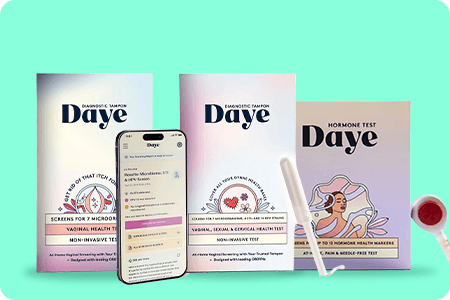

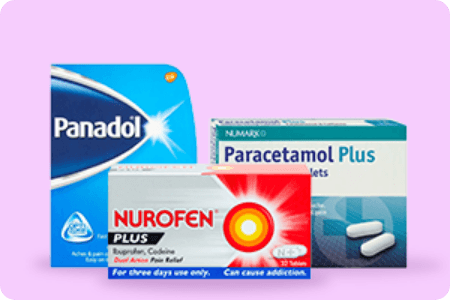
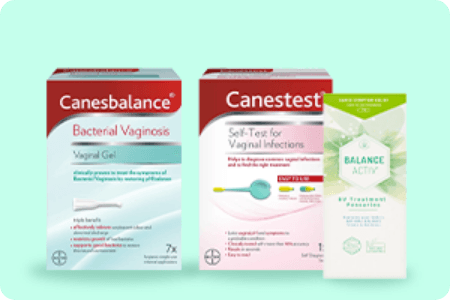

You might also be interested in...
Shop by women's health product
Back to Women's Health