In this Article:
01: What makes up the skin? 02: What general functions does the skin perform? 03: How does the skin’s protective barrier work? 04: How you can support your skin’s protective barrier
What makes up the skin?
The Epidermis
This is the layer of skin we can see. It’s the section of the skin that acts as a barrier and protects our insides from external factors like bacteria, viruses, chemicals, and other hazards. As well as stopping harmful stimuli from entering the body, it also keeps appropriate levels of moisture locked in.
The Dermis
The dermis sits underneath the epidermis and contains our sweat glands, hair follicles, blood vessels, and nerves. Our sweat glands support normal temperature regulation, while the nerves send signals to our brain to register the sensations felt by the skin such as touch, pain, and hot or cold temperatures.
The Hypodermis
The hypodermis is responsible for keeping our bodies insulated. It’s made up of fat cells and, as the deepest layer of the skin, helps to cushion the bones and muscles if you’re injured or fall over.
What general functions does the skin perform?
Filters harmful UV radiation
The epidermis contains a substance called melanin. Melanin absorbs some of the harmful UV rays from the sun, which is why the skin often goes darker when exposed to sunlight. Although the skin offers some protection, exposure to UV light is a leading cause of skin damage and the number one cause of skin cancer. You should always take steps to protect your skin from sun damage. Our suncare FAQs outline what you need to stay sun-safe all year round.
Retains water in the body
The skin’s natural barrier not only retains moisture but helps to attract it too. Skin cells contain what are known as natural moisturising factors (NMFs) that maintain hydration within the skin by retaining water rather than drawing water in. The NMF amounts our skin produces depends on our environment and genetics. It will naturally produce more in a low-humidity environment. Our NMF production can also be impacted by factors such as age (it decreases as we get older), and existing skin conditions like eczema and dermatitis.
Tells us what’s going on around us
Thanks to the nerves present throughout our skin, it’s responsible for our sense of touch and can recognise a wide range of stimuli. These include temperature changes (enabling our bodies to respond accordingly), pain (warning our bodies of danger), pressure, stretching, and vibrations.
Regulates our temperature
The skin helps us to regulate body temperature through several different processes. These include the dilation (allowing heat to escape) and constriction (reducing heat loss from the body) of blood vessels depending on the temperature, stimulating sweat glands to release energy and cool us down,
Gives us an indicator of health
Our skin can often give us the first signs that we might have an illness, infection, or health ailment that needs addressing, such as dehydration (skin can often be dry when we’re dehydrated). Many common illnesses and infections have symptoms involving the skin. These can include rashes (measles, chickenpox, shingles, etc.) and other skin reactions (impetigo causes blisters, while athlete’s foot causes tender, moist, and sometimes broken skin around the toes). Similarly, the yellowing of the skin (jaundice) may indicate liver dysfunction, while a butterfly rash may suggest lupus. You can familiarise yourself with the symptoms of a range of conditions using our Health Conditions A-Z tool.
Produces vitamin D
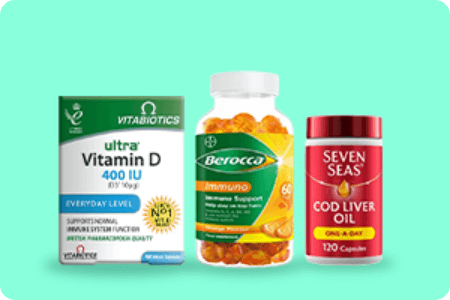
The skin produces vitamin D3 when exposed to UVB rays from sunlight, which is key for healthy teeth, bones, and muscles. This process varies greatly depending on where you live and how much sunlight you’re exposed to, as too much or excessive exposure can have negative effects. The NHS advises that between April and September in the UK, we should get the amount of vitamin D we need from sunlight. However, in the winter months, a daily vitamin D supplement is recommended, while some people with darker skin or limited sun exposure may need supplements year-round. You can also get vitamin D from some foods, including oily fish, red meat, and egg yolks.
Acts as a protective barrier
The skin prevents harmful external factors from entering our bodies, including bacteria, viruses, and chemicals. It also protects our organs from trauma thanks to the cushioning provided by the hypodermis (fatty layer), which absorbs shocks and pressure.

How does the skin’s protective barrier work?
Each of the skin’s layers supports its function as a protective barrier. The outer layer prevents external irritants from entering our bodies. It can thicken in response to factors like UV rays to increase protection and regularly regenerates cells to ensure healthy function.
The dermis (middle layer) supports the epidermis in its protective role by ensuring the skin stays strong and flexible. It’s made up of collagen, elastin, and connective tissues. It’s a secondary layer of defence to keep out harmful external factors if the epidermis is damaged.
The hypodermis (inner layer) protects the body by providing insulation and acts as a shock absorber to shield vital organs from impact.
How you can support your skin’s protective barrier
As we get older, our skin changes. Collagen and elastin production can slow down, and the skin can become more susceptible to damage from pollutants and UV rays. This is a natural part of ageing, but there are things you can do to support your skin’s protective barrier. Our anti-ageing article outlines what you can do to promote skin health as you get older, from a comprehensive skincare routine to lifestyle habits that support your skin.