In this Article:
01: What is hyperpigmentation?02: What causes hyperpigmentation?03: A closer look at generalised hyperpigmentation04: A closer look at localised hyperpigmentation05: Can hyperpigmentation be prevented or treated?
What is hyperpigmentation?
Hyperpigmentation is a common skin condition that causes darker patches due an increase in melanin, the substance that is responsible for our skin’s colour (pigment). Depending on your skin tone and what’s triggered your hyperpigmentation, it can show in different shades and forms. These include freckles, age spots, or larger patches of darker skin.
Hyperpigmentation can affect anyone, regardless of age, skin colour, or skin type. It tends to be more common in people with darker skin who don’t use sunscreen regularly.
Although it’s not usually a condition to be worried about, you may find that it affects your confidence. If this is the case, you’re not alone. There’s a range of help and support available.
What causes hyperpigmentation?
Many factors can contribute to your skin cells producing too much melanin. Some common ones include medical conditions, some medications, and sun exposure. There are two main types of hyperpigmentation – generalised and localised.

A closer look at generalised hyperpigmentation
Generalised hyperpigmentation affect large parts of the body, skin darkening may be more visible on certain areas of the body and/or at certain times, for example, after sun exposure. Several health conditions can lead to generalised hyperpigmentation, including:
Addison’s disease: A hormonal condition which, in many cases, causes general darkening of the skin, which may take the appearance of a tan. The skin feels the same as the surrounding areas when touched.
Haemochromatosis: A genetic condition that causes the body to absorb too much iron from food. In many cases it can cause widespread hyperpigmentation, particularly affecting parts of the body exposed to the sun. Similarly to hyperpigmentation in Addison’s disease, the texture of the skin will be the same as surrounding skin.
A closer look at localised hyperpigmentation
Localised hyperpigmentation refers to the darkening of the skin in specific places. It can present in a few different ways:
Some birthmarks are caused by hyperpigmentation
Freckles are genetic and are often brought out by exposure to the sun. They are usually harmless, but you should see your GP if you notice any unusual changes such as changes to colour, size, or texture
Skin injury or inflammatory conditions such as eczema and skin infections can result in what’s called post-inflammatory hyperpigmentation, leaving patches of discolouration on the affected skin
Lentigines, more commonly known as liver spots, are small pale to dark brown spots caused by excessive exposure to the sun. They generally occur in people aged 50 or over and are usually found on areas of the body exposed to the sun
Moles (melanocytic naevi) are small spots or patches that appear darker than the surrounding skin. They may be raised or flat and may feel rough or smooth. They are usually harmless, but you should see your GP if they grow, or change colour, texture, or shape
Skin cancers, including melanoma, have the appearance of dark spots or moles of different kinds. If you’re concerned about a dark spot or mole, visit the NHS skin cancer information pages and speak to your GP
Always consult a healthcare professional if you notice any changes to an existing mole, freckle, or dark spot. This is especially important if you develop other symptoms, such as bleeding or itching. Your GP will be able to examine the area and recommend next steps.
Can hyperpigmentation be prevented or treated?
Not all types of hyperpigmentation can be prevented and treatment should normally be sought for the cause of the condition, rather than hyperpigmentation itself, but there are some steps that you can take to help prevent certain types of hyperpigmentation.
Minimise the exposure of your skin to the sun. Try staying out of direct sunlight during peak hours. Shade your face by wearing a hat and always wear SPF – check our guide for more sun safety tips and advice
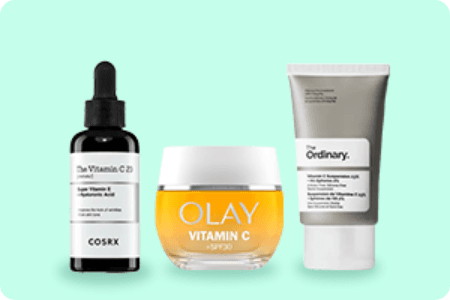
Consider including vitamin C-based products in your beauty routine. Vitamin C is an antioxidant and can help inhibit enzymes involved in the production of melanin. It isn’t a treatment but can help prevent hyperpigmentation and can be used alongside treatment
Try to avoid frequently touching your skin. Scratching a bite or picking at acne can cause inflammation, and this can lead to darker pigmentation on your skin