In this Article:
01: What is impetigo?02: How is impetigo treated?03: How to reduce the spread of impetigo
What is impetigo?
Impetigo usually infects skin that's already damaged, so you can get it if you already have a small cut, scratch, insect bite, or skin condition. However, there are ways to avoid getting impetigo by washing the skin with warm water and soap and effectively treating any other skin conditions such as eczema or scabies.
Impetigo is a bacterial skin infection on the surface of the skin. It is most common in young children but can affect people at any age. Although impetigo can spread very easily from person to person, it’s not usually serious and can be cleared up with the right medicine.
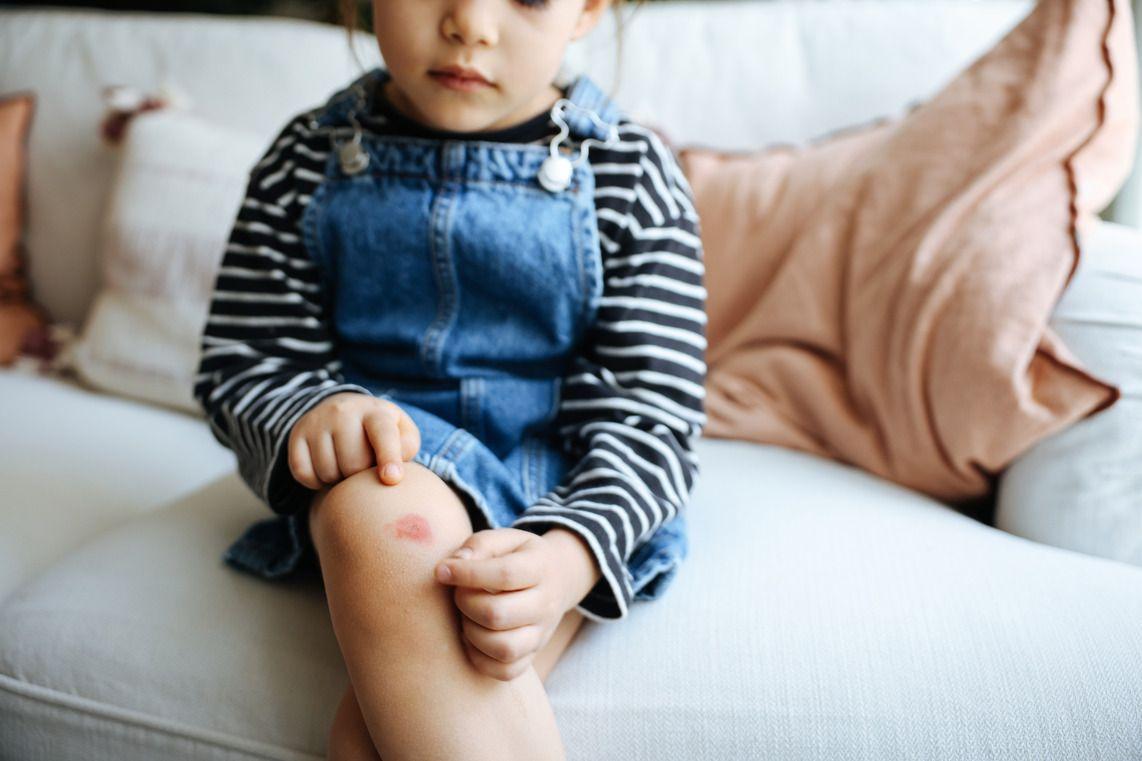
Impetigo starts with red sores or blisters and is usually seen on exposed areas of skin (typically the face and the hands). The patches of sore skin and blisters are small at first but gradually get bigger. The bacteria that cause the infection are easily spread by touch, so new patches can appear on other parts of the body. These sores or blisters quickly burst and often leave crusty, golden, or brown patches that gradually thicken. They may be itchy and sometimes painful.

How is impetigo treated?
The good news is that with treatment, impetigo often gets better in just a few days. There are a number of treatment options. A pharmacist will be able to assess the symptoms and make sure there isn’t a more serious infection that needs investigating by a GP.
If it is impetigo, a pharmacist may issue:
A hydrogen peroxide cream if it's in one area
An antibiotic cream, or tablets if it's more widespread
Antibiotic tablets if you have bullous impetigo (hardened, scaly blisters around the scab)
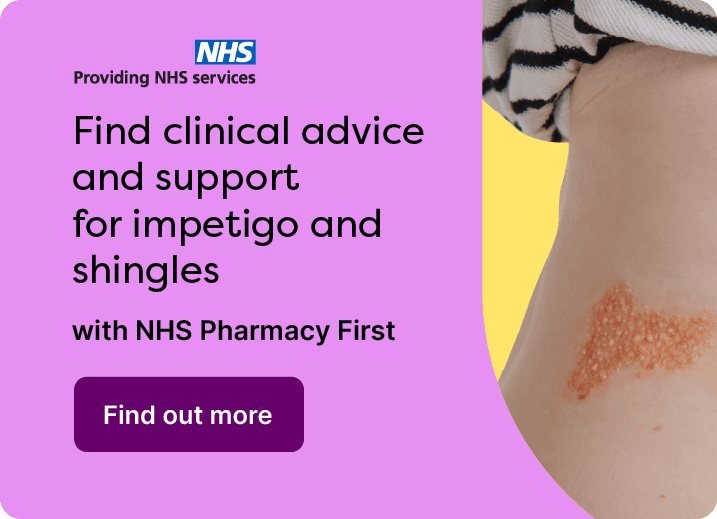
At Pharmacy2U, our pharmacists deliver the NHS Pharmacy First service, meaning you can book a free virtual appointment to discuss your symptoms and treatment options for six common conditions, including impetigo.
How to reduce the spread of impetigo
Impetigo can be easily spread to other parts of your body or to other people through skin-to-skin contact. It can also be picked up from contaminated items like towels and bedding.
It’s no longer infectious after 48 hours of treatment (either hydrogen peroxide cream or an antibiotic treatment), and once the patches have dried out and scabbed over.
To help prevent it from spreading in the meantime, there are a few things you can do:
If possible, stay home from work, school, or nursery until no longer infectious
Hygiene is key so wash affected areas with a gentle soap and water before drying thoroughly
Wash your hands frequently, particularly before and after using an antibiotic cream
Wash flannels, towels, sheets, and pillowcases at a high temperature and don’t share towels or clothing
Wash toys with detergent and warm water if your children have impetigo
Try not to touch or scratch sores, blisters, or crusty patches – this also helps to stop scarring
Don’t have close contact with children, or people with diabetes or a weakened immune system
Don’t share flannels, towels, sheets, or pillowcases
Don’t go to the gym or play contact sports like football
Impetigo usually infects skin that's already damaged, so you can get it if you already have a small cut, scratch, insect bite, or skin condition. However, there are ways to avoid getting impetigo by washing the skin with warm water and soap and effectively treating any other skin conditions such as eczema or scabies.
You can find more information about impetigo from the NHS and the British Association of Dermatologists.