Contraception treatment Rigevidon

What is Rigevidon?
Rigevidon is a combined oral contraceptive (COC), commonly referred to as the pill. Comprising a low dose of two female hormones, ethinylestradiol (an oestrogen) and levonorgestrel (a progestogen), it serves as an effective means of preventing pregnancy.
Note that while combined oral contraceptives such as Rigevidon are effective against pregnancy, they do not provide protection against sexually transmitted diseases, including AIDS. For STI prevention, the use of condoms is essential.
What is Rigevidon used for?
Rigevidon is primarily used as a combined oral contraceptive (COC), commonly known as the pill. It contains two female hormones, ethinylestradiol (an oestrogen) and levonorgestrel (a progestogen), in a low dose.
This contraceptive works by preventing pregnancy in three ways:
inhibiting the release of an egg from the ovary each month (ovulation)
thickening the cervical fluid at the neck of the womb, making it more challenging for sperm to reach the egg
modifying the lining of the womb to decrease the likelihood of accepting a fertilised egg
In addition to its contraceptive purpose, Rigevidon may also be prescribed to regulate menstrual cycles, alleviate menstrual cramps, and manage conditions like acne. It's essential to note that Rigevidon does not protect against sexually transmitted infections, and for STI prevention, the use of condoms or other barrier methods is recommended. Always adhere to your healthcare provider's instructions and communicate any concerns or side effects you may encounter while using Rigevidon.
Who can and cannot take medicines containing Rigevidon?
Before starting Rigevidon, it's crucial to be aware of certain conditions and situations that may affect its suitability for you. Here's a guide to help you navigate whether Rigevidon is the right contraceptive choice for you:
During your consultation, the doctor will inquire about your personal health history and that of close relatives. Additionally, blood pressure measurement and, in some cases, additional tests may be conducted.
You should avoid or discontinue Rigevidon use if:
you are allergic to ethinylestradiol, levonorgestrel, or any other ingredients included in Rigevidon
you have a history of blood clots in the legs, lungs, or other organs
you have a blood clotting disorder or related condition
you have an upcoming operation or will be immobile for a period of time
you've experienced a heart attack, stroke, or angina pectoris
you have or have previously had migraines with aura
specific diseases that increase the risk of arterial clots, such as severe diabetes, very high blood pressure, high cholesterol or triglycerides, or hyperhomocysteinaemia
you have or are suspected of having breast or genital cancer
you have liver disease, a liver tumour, unexplained vaginal bleeding, or take certain medications to treat hepatitis C
Warnings and precautions
Before taking Rigevidon, consult your doctor if you have:
elevated fat levels in the blood or a family history of this condition
planned surgery or extended immobility
cardiovascular issues in you or close family
vein inflammation, varicose veins, or a family history of blood clotting problems
migraines, diabetes, Crohn's disease, ulcerative colitis, or certain medical conditions
conditions like depression, movement disorder, liver or gall bladder disease, porphyria, sickle cell anaemia, or haemolytic uraemic syndrome
systemic lupus erythematosus (SLE), herpes gestationis, or chloasma
Blood clot risks
Using Rigevidon increases the risk of blood clots. Factors influencing risk include age, smoking status, obesity, family history, surgery, and immobility. Seek immediate medical attention if you experience symptoms of blood clots.
Other medications and Rigevidon
Inform your healthcare provider about any medications you're taking, as certain drugs may interact with Rigevidon. St. John's wort should be avoided.
Pregnancy and breastfeeding
Avoid Rigevidon if pregnant. If breastfeeding and considering the pill, consult your doctor for guidance.

How effective is Rigevidon as a contraceptive?
When taken correctly, the pill is over 99% effective at preventing pregnancy. This means that fewer than 1 in 100 who use the combined pill as contraception will get pregnant in 1 year.
Contraception medicines
 More info
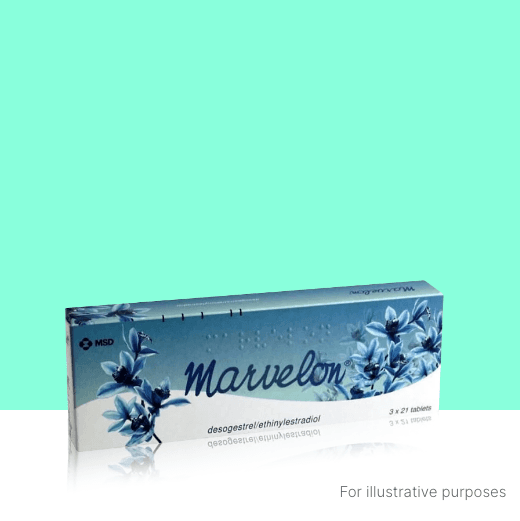
Marvelon
30/150 mcg63 tablets - £15.00
126 tablets - £28.00
252 tablets - £55.00 More info
Millinette 20/75 30/75
20/75mcg 30/75 mcg63 tablets - £15.00
126 tablets - £25.00
252 tablets - £45.00 More info
Microgynon 30 ED
30/150 mcg84 tablets - £14.00
168 tablets - £20.00
336 tablets - £33.00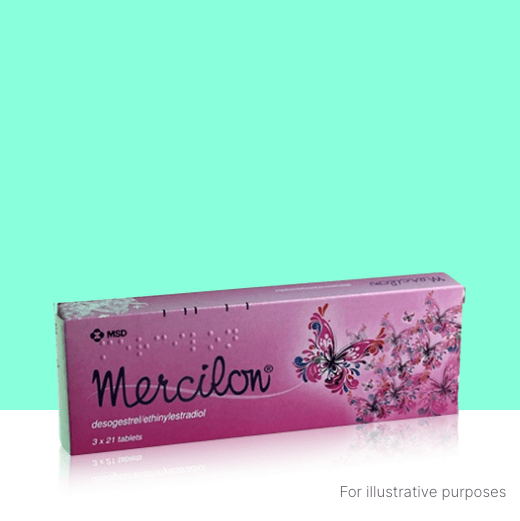 More info
Mercilon
20/150 mcg63 tablets - £20.00
126 tablets - £30.00
252 tablets - £50.00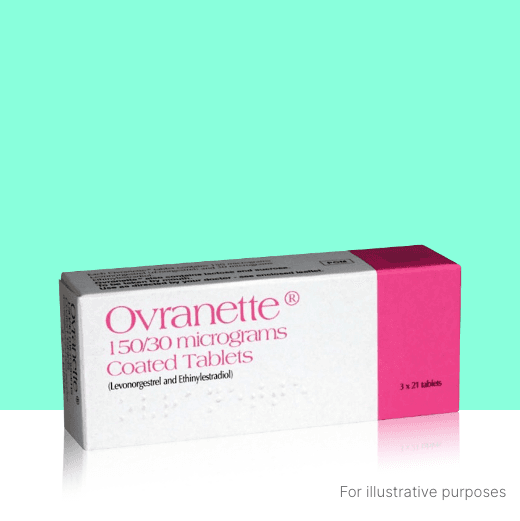 More info
Ovranette
30/150 mcg63 tablets - £15.00
126 tablets - £25.00
252 tablets - £35.00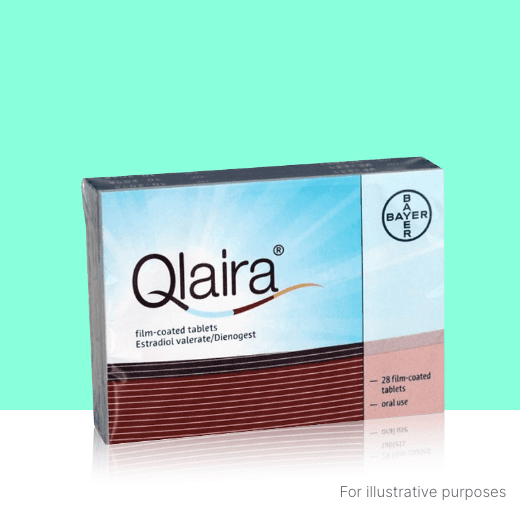 More info
Qlaira
84 tablets - £35.00
168 tablets - £60.00
336 tablets - £110.00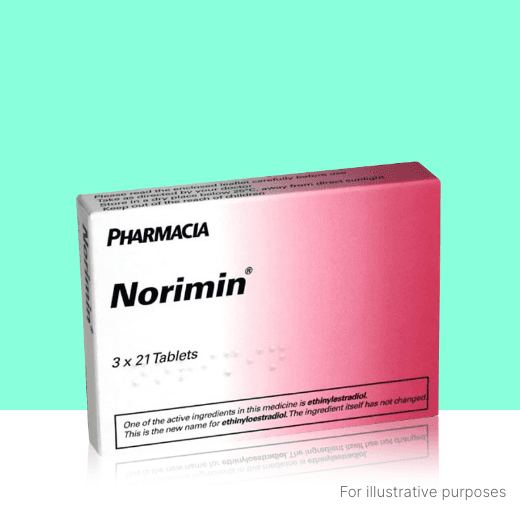 More info
Norimin
35/500mcg63 tablets - £20.00
126 tablets - £35.00
252 tablets - £65.00 More info
Logynon
63 tablets - £14.00
126 tablets - £25.00
252 tablets - £40.00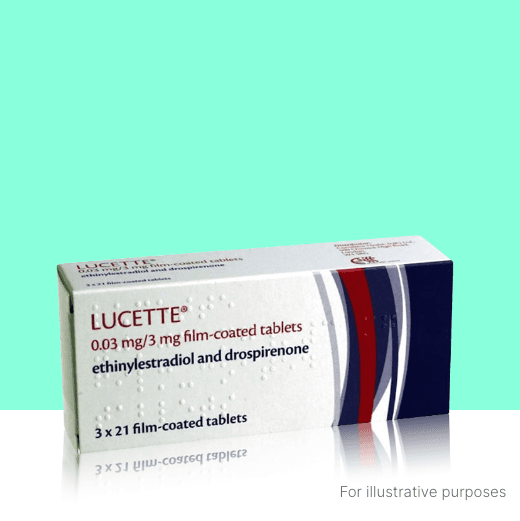 More info
Lucette
30mcg/3mg
63 tablets - £18.00
126 tablets - £30.00
252 tablets - £55.00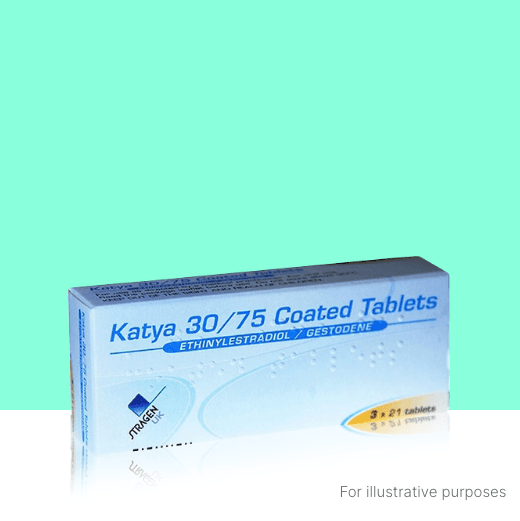 More info
Katya
30/75mcg63 tablets - £15.00
126 tablets - £25.00
252 tablets - £45.00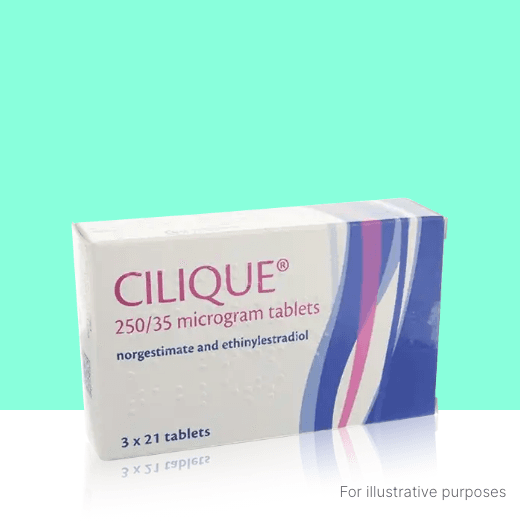 More info
Cilique
250/35mcg63 tablets - £18.00
126 tablets - £30.00
252 tablets - £54.00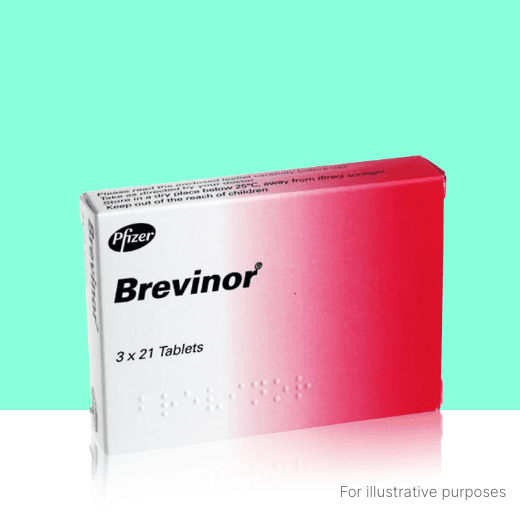 More info
Brevinor
0.5mg/35mcg63 tablets - £18.00
126 tablets - £27.00
252 tablets - £54.00 More info
Microgynon Tablets
30mcg/150mcg63 tablets - £15.00
126 tablets - £25.00
252 tablets - £33.00 More info
Yasmin Tablets
0.03/3g63 tablets - £26.00
126 tablets - £45.00
252 tablets - £90.00
Effective for treatment of acne More info
Rigevidon Tablets
30/150mcg63 tablets - £15.00
126 tablets - £25.00
252 tablets - £45.00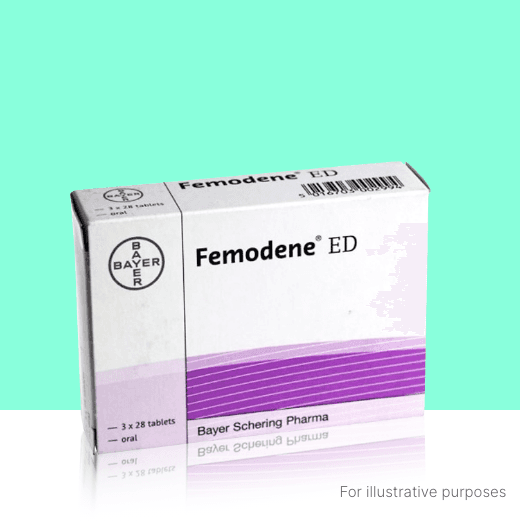 More info
Femodene
30/75 mcg63 tablets - £15.00
126 tablets - £25.00
252 tablets - £45.00
 More info
Cerazette Tablets
75mcg84 tablets - £19.00
168 tablets - £35.00
336 tablets - £60.00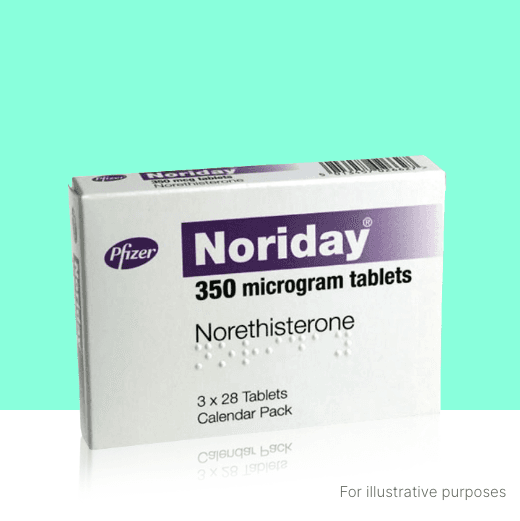 More info
Noriday
350 mcg84 tablets - £10.00
168 tablets - £17.00
336 tablets - £30.00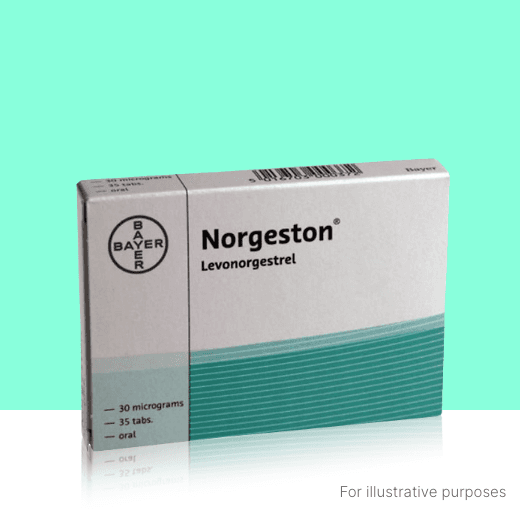 More info
Norgeston
30 mcg105 tablets - £10.00
210 tablets - £17.00
420 tablets - £30.00 More info
Desogestrel Tablets
75mcg84 tablets - £15.00
168 tablets - £25.00
336 tablets - £45.00
 More info
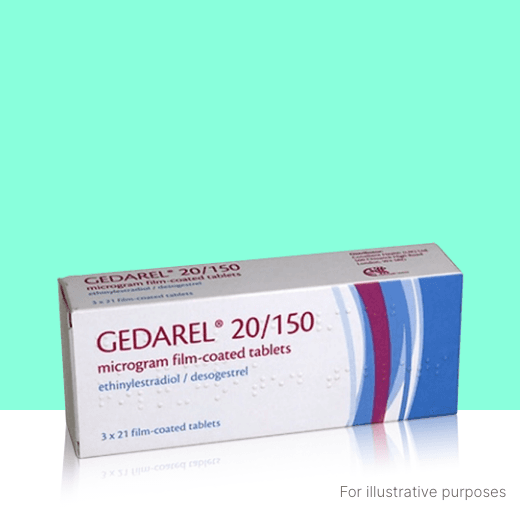
Gedarel 20/150
20/150 mcg63 tablets - £20.00
126 tablets - £35.00
252 tablets - £50.00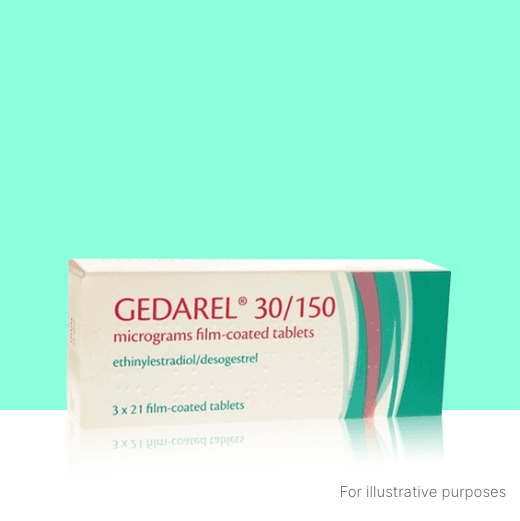 More info
Gedarel 30/150
30/150 mcg63 tablets - £15.00
126 tablets - £25.00
252 tablets - £45.00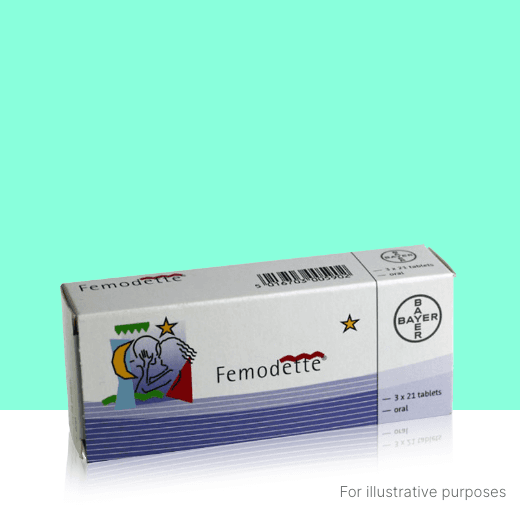 More info
Femodette
20/75mcg63 tablets - £15.00
126 tablets - £25.00
252 tablets - £45.00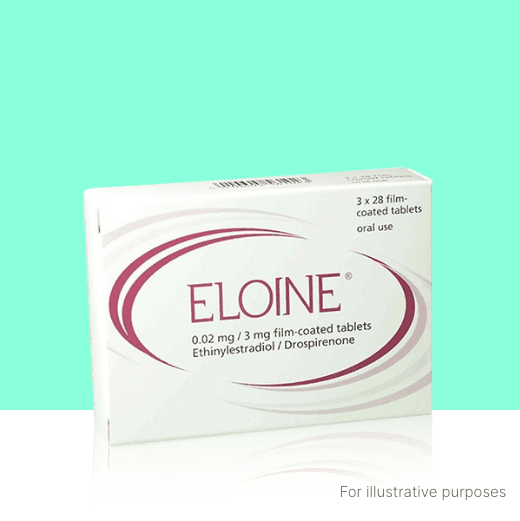 More info
Eloine
20mcg/3mg84 tablets - £25.00
168 tablets - £45.00
336 tablets - £85.00



Meet our expert clinical team
Introducing the expert clinical team behind our range of healthcare services who uphold the highest clinical standards across everything we do.

Regulated by Care Quality Commission find out more
Frequently asked questions
Like all medications, Rigevidon may cause side effects, although not everyone experiences them. It's important to be aware of potential effects, both common and rare, and seek medical advice if needed.
Serious side effects:
Contact your doctor immediately if you encounter symptoms of angioedema, including a swollen face, tongue, or throat, difficulty swallowing, hives, or breathing difficulties. Additionally, all women using combined hormonal contraceptives, including Rigevidon, face an increased risk of blood clots in veins (VTE) or arteries (ATE).
Common side effects (may affect up to 1 in 10 people):
vaginitis
mood swings, including depression
changes in interest in sex
nervousness
dizziness
nausea
abdominal pain
acne
tender breasts
breast pain, enlargement, and discharge
painful menstruation
abnormality of the cervix (change in cervical ectropion) and vaginal secretion
no or reduced bleeding
fluid retention/oedema
changes in weight
Less common side effects (may affect up to 1 in 100 people):
changes in appetite
elevated blood pressure
abdominal cramps
bloating
rash
chloasma (yellow-brown patches on the skin)
excessive hair growth or hair loss
changes in serum lipid levels, including hypertriglyceridemia
Rare side effects (may affect up to 1 in 1,000 people):
severe allergic reactions (anaphylactic reaction with rare cases of hives, facial swelling, circulatory and respiratory disorders)
glucose intolerance
eye irritation with contact lenses
jaundice (yellowing of the skin)
erythema nodosum (painful reddish skin nodules)
harmful blood clots in veins or arteries (DVT, PE, heart attack, stroke, TIA, blood clots in liver, stomach/intestine, kidneys, or eye)
Very rare side effects (may affect up to 1 in 10,000 people):
benign or malignant liver tumours
aggravation of immune system diseases (lupus)
aggravation of porphyria
exacerbation of chorea (involuntary movement disorder)
inflammation of the optic nerve
blood clots in eye blood vessels
aggravation of varicose veins
ischaemic colitis (inflammation of the large intestine)
pancreatitis
gallbladder disease (including gallstones)
erythema multiforme (rash with target-shaped reddening or sores)
haemolytic uraemic syndrome - HUS (a disorder causing kidney failure due to blood clots)
decrease in serum folate levels
Side effects with unknown frequency based on limited available data:
inflammatory bowel disease (Crohn’s Disease, ulcerative colitis)
hepatocellular injury (e.g., hepatitis, abnormal hepatic function)
Rigevidon is a white, round, and coated tablet that contains two active ingredients: levonorgestrel (150 micrograms) and ethinylestradiol (30 micrograms). Other ingredients include colloidal anhydrous silica, magnesium stearate, talc, maize starch, lactose monohydrate, sucrose, calcium carbonate, titanium dioxide (E171), copovidone, macrogol 6000, and povidone carmellose sodium.
One pill should be taken every day for 21 days, before a 7-day break when you will have a bleed like a period. You’ll then resume taking one pill per day from the next packet for 21 days before your next week-long break. Each box of Rigevidon will provide a 3-month supply (3 packets).
You may be able to take some types of the pill with no or shorter breaks (a tailored regime), which may reduce some side effects. Speak to a doctor or nurse about your options.
Aim to take the pill at around the same time every day. This will help ensure optimal protection. Your chances of pregnancy could increase if you miss a pill, experience sickness and vomiting, or have severe diarrhoea.