Acne treatment Duac

What is Duac?
Duac Gel, a once-daily anti-acne treatment, is a potent formula that effectively combats harmful bacteria, visibly reducing blackheads, whiteheads, and red, inflamed spots. Specifically designed to address mild or moderate acne, spots, and pimples, Duac is a widely used and trusted acne treatment. The active ingredients in Duac Gel are clindamycin and benzoyl peroxide.
What is Duac used to treat?
Duac Once Daily Gel is prescribed for the topical treatment of mild to moderate acne vulgaris, with a focus on addressing inflammatory lesions.
As a potent antibacterial agent, Duac effectively eliminates the bacteria that causes acne proliferation. Individuals with a prolonged history of acne typically witness significant improvement within the initial month of Duac treatment. By the end of three months, the acne is often substantially cleared.
To prevent recurrence, continued use of Duac Gel is advised post-clearance.
Who can and cannot use Duac?
Duac Once Daily Gel is effective for many individuals dealing with acne; however, certain considerations should be kept in mind.
Avoid using Duac Gel if you have allergies to clindamycin, lincomycin, benzoyl peroxide, or any other components.
Before using Duac Gel, let your doctor know if:
you've experienced regional enteritis, ulcerative colitis, or antibiotic-associated colitis
you've recently used medications containing clindamycin or erythromycin
Duac is unsuitable for application on sensitive or irritated skin, like areas with cuts, scrapes, or sunburn. Refrain from sunbed use during Duac application, limit sun exposure, and employ a high SPF (Sun Protection Factor) sunscreen for skin protection. Note that Duac may bleach surfaces, fabrics, and hair.
Regarding Duac and pregnancy, consult your doctor if planning to use Duac during this period.

How long does Duac take to work?
Individuals using Duac to treat acne typically report noticing skin improvements within one month of use. Within three months of continued use, acne is substantially cleared in many cases.
Frequently asked questions
Users may encounter common side effects in the initial weeks of using Duac Gel, such as:
Skin redness
Burning sensation
Dry skin
Itching and peeling
Headache
Dermatitis
Sensitivity to sunlight
There are also some rare but severe side effects that require medical attention:
Allergic reactions like facial, tongue, or eye swelling, breathing difficulties, or rash
Intense diarrhoea or stomach cramps
Severe rash, burning, or peeling
Always read the patient information leaflet before using any medication.
Produced by GlaxoSmithKline, Duac is offered as an easy to apply gel in two strengths: Duac 3% (20mg) and Duac 5% (50mg), conveniently packaged in 30g tubes.
It may take 2 to 5 weeks to start seeing the effects of Duac gel. Your healthcare provider should tell you how long your treatment should last, but it’s advised that you don’t use the gel for longer than 12 weeks in a row.
Speak to your healthcare provider before stopping Duac- if you stop too soon, your acne could come back. If you’ve forgotten to use your daily dose of Duac, apply your nex t dose at the usual time. Don’t use a double dose to make up for any forgotten doses.
Duac is a gel used to treat mild to moderate acne on your skin. It uses two medicines, clindamycin and benzoyl peroxide to fight the bacteria that can cause acne, treat existing spots, whiteheads and blackheads and lowering the amount of red, inflamed areas.
Duac gel should be left on the face once applied, though make sure you only apply a thin film on the entire affected skin area.
To use Duac gel:
Remove any make-up
Wash the affected area of skin well, then rinse with warm water and gently pat dry
Put a thin film of gel on the entire area using your fingertips
Wash your hands after using the gel
If you’re only applying Duac to your face, use an amount of gel from the tube which reaches from the tip of your finger to the first joint, otherwise known as a ‘finger tip unit’. If you’re applying Duac to your face and back, use two and a half of these ‘finger tip units’.
For more information about application, read the patient information leaflet.
Acne treatments
 More info
Lymecycline and Azelaic Acid gel
408mg/15%12 weeks supply - £65.00
 More info
Lymecycline and Benzoyl Peroxide gel
408mg/5%12 weeks supply - £70.00
 More info
Lymecycline and Epiduo gel
408mg/0.1%/2.5%12 weeks supply - £70.00
 More info
Lymecycline and Adapalene gel
100mg/0.1%/2,5%12 weeks supply - £65.00
 More info
Doxycycline and Adapalene gel
100mg/0.1%84 capsules & 45g gel - £65.00
 More info
Doxycycline and Benzoyl Peroxide gel
100mg/5%84 capsules & 60g gel - £55.00
 More info
Doxycycline and Azelaic Acid gel
100mg/15%84 capsules & 60g gel - £55.00
 More info
Doxycycline and Epiduo gel
100mg/0.1%/2,5%84 capsules & 60g gel - £75.00
 More info
Co-cyprindiol and Epiduo gel
2000/35mcg/3+1%63 tablets & 60g gel - £75.00
 More info
Co cyprindiol and Benzoyl Peroxide gel
408mg/0.1%/2.5%63 tablets & 60g gel - £55.00
 More info
Co cyprindiol & Duac gel
2000/35mcg/3+1%63 tablets & 60g gel - £80.00
 More info
Co-cyrindiol and Adapalene gel
2000/35mcg 0.1%63 tablets & 45g gel - £65.00
 More info
Co-cyrindiol and Azelaic acid
2000/35mcg/15%63 tablets & 60g gel - £65.00
 More info
Benzoyl Peroxide gel
5%60g gel - £22.00
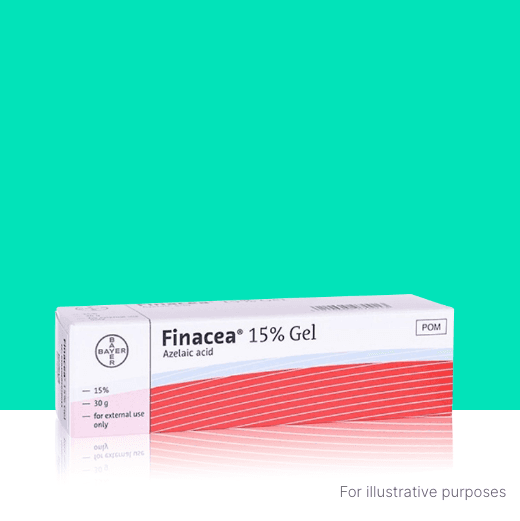 More info
Azelaic Acid gel
15%60g - £25.00
 More info
Adapalene gel
0.10%Single pack - £35.00
 More info
Duac (Benzoyl Peroxide + Clindamycin) once daily gel
60g
Double pack - £55.00 More info
EpiDuo (Adapalene + Benzoyl Peroxide) once daily gel
60g12 weeks supply - £39.99
