Azelaic Acid gel (generic Finacea)
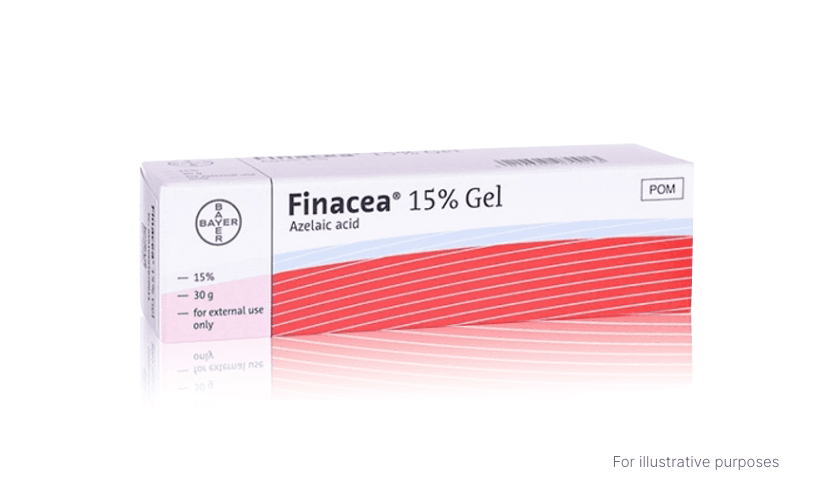
Azelaic acid gel is a prescription-only treatment for mild to moderate acne. It can be less harsh on your skin than many other topical acne treatments.
Suitable for sensitive skin with mild to moderate acne
Gently exfoliating action helps unblock pores
Works to kill acne‑causing bacteria and soothe redness
What is Azelaic Acid gel?
Azelaic Acid 15 gel (the generic form of Finacea azelaic acid gel 15) targets mild to moderate acne and is often a better option for sensitive skin. It should not make your skin more sensitive to sunlight.
while being kinder to sensitive skin than some other topical acne treatments.
Azelaic acid gel contains 15 % azelaic acid, the same active ingredient found in finacea azelaic acid gel 15. It promotes healthy skin cell regeneration, reduces acne flare ups and gently fades the dark marks that some old spots have left behind.
As only a small amount of this topical medicine enters your bloodstream, clinicians often suggest 15 % azelaic acid as an alternative to stronger drugs or more irritating creams. This is why azelaic acid gel is used for treating acne in many cases when you have sensitive skin.
How is Azelaic Acid gel applied?
Here’s how to apply azelaic acid gel to get the best results:
Wash your skin with a mild, non‑foaming face wash and pat dry.
Apply a pea sized amount (0.5 g) in a thin layer over the affected areas twice daily.
Let it absorb into your skin before you use moisturiser (or put on make‑up).
Wash your hands.
Use daily to get the full azelaic acid gel 15 benefits of smoother skin, reduced redness and fewer breakouts. If the gel stings or tingles at first, switch to just the evening application for about a week.
Once your skin feels comfortable (no lasting redness, burning or peeling), add the morning dose so you’re back to the usual twice‑daily schedule. If irritation comes back when you introduce the second application, go back to once daily or take a short break. You could check with your doctor or clinician before increasing it to twice daily again.
How does Azelaic Acid gel work?
To help shrink spots and improve skin tone by fading lingering dark marks from acne, azelaic acid gel has a dual action:
Works to exfoliate dead skin and trapped sebum (oil) inside pores.
It’s antibacterial, lowering bacteria levels and calming inflammation.
Is Azelaic Acid gel effective?
You'll usually need to stick to your azelaic acid treatment plan for a few weeks before your acne improves. Most people who use it see clearer, calmer skin by week 4 and the benefits can increase right up to the 12 week mark.
In clinical studies, azelaic acid 15 gel clears inflammatory acne about as well as 5% benzoyl peroxide while causing less burning or irritation.
Are there any side effects to Azelaic Acid gel?
Typical azelaic acid 15 gel side effects are mild itching, tingling or dryness where you apply it. These usually ease as your skin adapts. If you keep getting irritation, only apply the gel once a day or stop using it for a day to give your skin a break.
Severe reactions are rare. If you notice a widespread rash or swelling, stop using the gel and seek medical advice Overall, azelaic acid gel side effects are gentler than with many other prescription-strength acne treatments. In particular it generally causes less dryness and sensitivity to sunlight than topical retinoids.
Full details on use and safety are in the azelaic acid patient information leaflet.
Acne treatments
 More info
Lymecycline and Azelaic Acid gel
408mg/15%12 weeks supply - £65.00
 More info
Lymecycline and Benzoyl Peroxide gel
408mg/5%12 weeks supply - £70.00
 More info
Lymecycline and Epiduo gel
408mg/0.1%/2.5%12 weeks supply - £70.00
 More info
Lymecycline and Adapalene gel
100mg/0.1%/2,5%12 weeks supply - £65.00
 More info
Doxycycline and Adapalene gel
100mg/0.1%84 capsules & 45g gel - £65.00
 More info
Doxycycline and Benzoyl Peroxide gel
100mg/5%84 capsules & 60g gel - £55.00
 More info
Doxycycline and Azelaic Acid gel
100mg/15%84 capsules & 60g gel - £55.00
 More info
Doxycycline and Epiduo gel
100mg/0.1%/2,5%84 capsules & 60g gel - £75.00
 More info
Co-cyprindiol and Epiduo gel
2000/35mcg/3+1%63 tablets & 60g gel - £75.00
 More info
Co cyprindiol and Benzoyl Peroxide gel
408mg/0.1%/2.5%63 tablets & 60g gel - £55.00
 More info
Co cyprindiol & Duac gel
2000/35mcg/3+1%63 tablets & 60g gel - £80.00
 More info
Co-cyrindiol and Adapalene gel
2000/35mcg 0.1%63 tablets & 45g gel - £65.00
 More info
Co-cyrindiol and Azelaic acid
2000/35mcg/15%63 tablets & 60g gel - £65.00
 More info
Benzoyl Peroxide gel
5%60g gel - £22.00
 More info
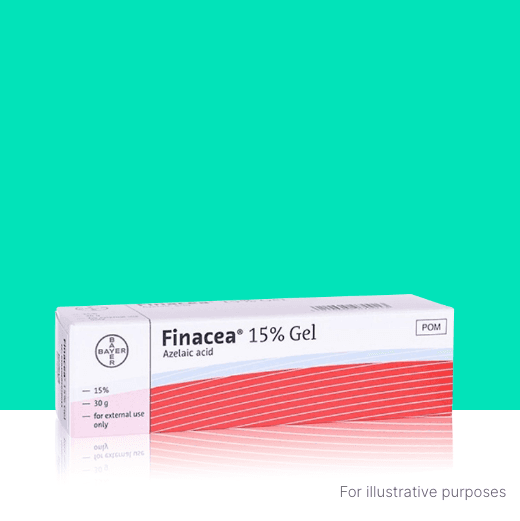
Azelaic Acid gel
15%60g - £25.00
 More info
Adapalene gel
0.10%Single pack - £35.00
 More info
Duac (Benzoyl Peroxide + Clindamycin) once daily gel
60g
Double pack - £55.00 More info
EpiDuo (Adapalene + Benzoyl Peroxide) once daily gel
60g12 weeks supply - £39.99
Frequently asked questions
Always let your doctor or our clinicians know about any medication you’re taking or other gels or creams you’re using before starting azelaic acid gel.
As you absorb very little medicine when applying thin layers of azelaic acid gel, it’s unlikely you’ll have serious drug interactions when using it.
Layering topical acne treatments can irritate skin, so it’s best not to apply multiple acne treatments on the same area of skin at the same time.
If you use any moisturisers or cosmetics, apply them after the azelaic acid gel has fully dried.
If azelaic acid isn't right for you, there are a number of alternatives:
Other topical treatments like benzoyl peroxide or adapalene gel
Oral antibiotics combined with topical treatments.
If you’re a woman, hormonal acne treatments include co‑cyprindiol.
Lifestyle tweaks like a balanced diet, gentle skincare and avoiding heavy make‑up.
A dermatologist can recommend isotretinoin for severe, stubborn acne.
Light therapy and chemical peels may be more effective than medication in some cases.
Getting stubborn whiteheads, blackheads or cysts removed using special tools could improve how your skin looks short term, but can also scar it.
Your GP or our clinicians can advise you on the best acne treatment for clearer, healthier looking skin.
References
https://www.nhs.uk/conditions/acne/treatment/https://patient.info/medicine/azelaic-acid-finacea-skinoren
https://www.medicines.org.uk/emc/files/pil.240.pdf
https://www.mayoclinic.org/diseases-conditions/acne/diagnosis-treatment/drc-20368048
https://www.mayoclinic.org/diseases-conditions/acne/in-depth/acne-treatments/art-20045814
Skin purging is a term sometimes given to acne-flare ups that can happen when starting a new treatment.
When using Azelaic acid, a skin reaction such as contact dermatitis or erythema is an uncommon side effect which may affect up to 1 in 100 people. Let your doctor or clinician know if you experience any side effects.
Tell your clinician or pharmacist about any retinol, retinoid or active skincare products before combining treatments.
Azelaic acid is an exfoliant.
Azelaic acid works by getting rid of dead skin and killing bacteria that can cause acne.
Azelaic acid should usually be used daily, but may differ depending on the instruction of your healthcare provider. Use as long as recommended by your healthcare provider.