Evra Patch (Contraceptive Patch)
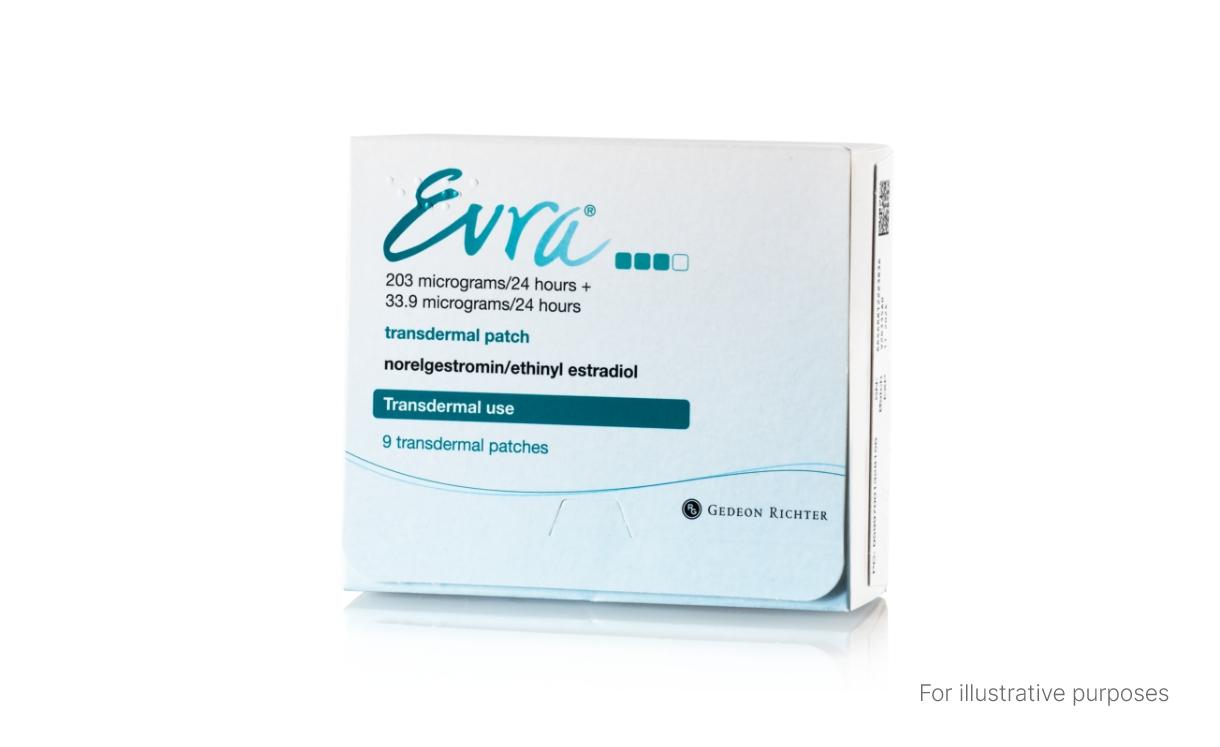
The Evra Patch, also known as the Evra contraceptive patch or birth control patch, is a small, sticky patch you simply wear on your skin once a week. When used correctly, it’s over 99% effective and offers reliable, low-maintenance protection without the need to remember a pill every day.
In a nutshell:
Apply it weekly
Not affected by vomiting or diarrhoea
Discreet and easy to use
Need yearly blood pressure and weight check
3 months supply for £30.00
6 months supply for £55.00
12 months supply for £100.00
How to use a contraceptive patch
Stick one patch on clean, dry, hair-free skin. Leave it on for 7 days, then replace it with a new one on the same day each week.
You can use the patch for three weeks in a row, then take a seven-day break (without the patch during this time), and you’ll still be protected during the break.
Other ways to use the patch:
Extended use: Wear a patch each week for 9 weeks, then take a four or 7-day break.
Continuous use: Keep using a new patch every week with no breaks.
The good thing about the patch is that you can swim, shower, exercise, and even use a sauna with it on. But always check to make sure it hasn’t come loose, and don’t try to stick it down with tape. If it does fall off, you can just replace it with a new one.
How does the Evra Patch work?
The Evra Patch releases hormones (oestrogen and progestogen) through your skin into your body. These hormones prevent pregnancy by:
Stopping ovulation so your ovaries don’t release an egg
Thickening cervical mucus, which makes it harder for sperm to reach an egg
Thinning the womb lining, making it less likely for a fertilised egg to implant

How effective is the patch?
When used correctly, the Evra Patch is more than 99% effective.
If it’s not always used perfectly, for example, if the patch isn’t changed on time, about 8 in 100 users may get pregnant. Use an alternative, non-hormonal method of contraception (like condoms) if application is delayed until you change your patch.
What are the benefits of using the Evra Patch?
If remembering to take a pill every day isn’t for you, the Evra contraceptive patch is a good option for you. Other good benefits of the Evra contraceptive patch are:
Helps with the symptoms of endometriosis
Just one patch a week
Still works if you’re sick, vomiting or diarrhoea won’t affect it
Doesn’t interrupt daily life, so you can wear it while swimming, showering, in the bath, hot tub, or sauna
Stays on during sex and other activities
It may help improve acne, make periods lighter, more regular, and less painful
May reduce the risk of certain cancers, and some symptoms of PCOS
Where do I put the Evra patch?
The most asked question about the Evra Patch is where to put it. Simply put, the patch can be placed anywhere on your body as long as the skin is clean, dry, and not too hairy. But it’s not advised to put the patch on sore or irritated skin, an area that might get rubbed by tight clothing (like underneath the bra strap), or the breasts.
Try to change the position of each patch on the skin to avoid the potential of irritating the skin.
What are the side effects of the contraceptive patch?
The good news is most people don’t get side effects, but those who do may experience:
Headaches
Nausea
Breast tenderness
Mild skin irritation where the patch is applied
There is a small, increased risk of blood clots, which is slightly higher than with some other types of contraception.
If you’re ever worried about side effects, or just want to check something, send us a message through your Account. Full details are in the patient information leaflet.
Contraception medicines
 More info
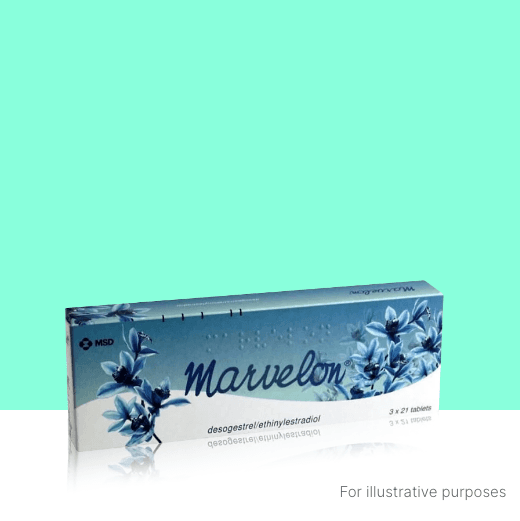
Marvelon
30/150 mcg63 tablets - £15.00
126 tablets - £28.00
252 tablets - £55.00 More info
Millinette 20/75 30/75
20/75mcg 30/75 mcg63 tablets - £15.00
126 tablets - £25.00
252 tablets - £45.00 More info
Microgynon 30 ED
30/150 mcg84 tablets - £14.00
168 tablets - £20.00
336 tablets - £33.00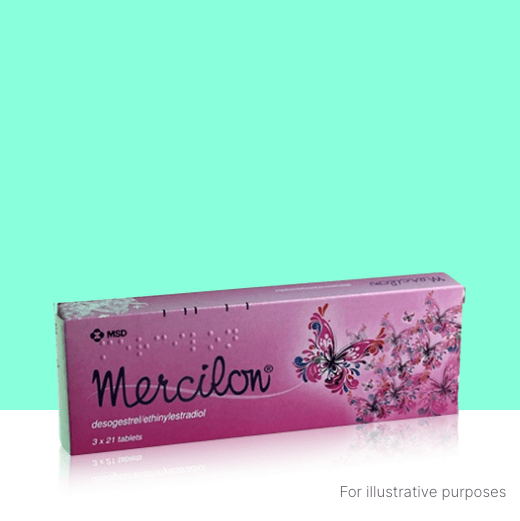 More info
Mercilon
20/150 mcg63 tablets - £20.00
126 tablets - £30.00
252 tablets - £50.00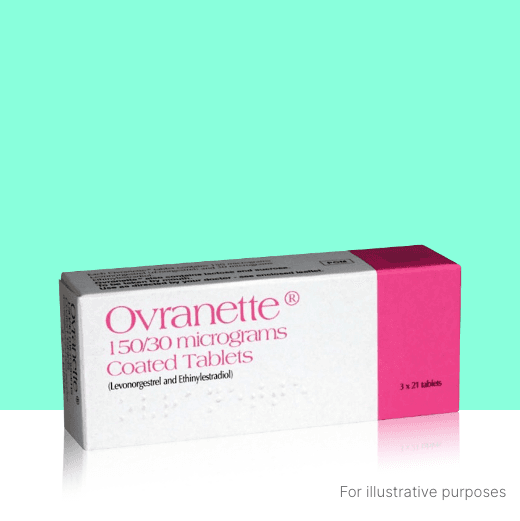 More info
Ovranette
30/150 mcg63 tablets - £15.00
126 tablets - £25.00
252 tablets - £35.00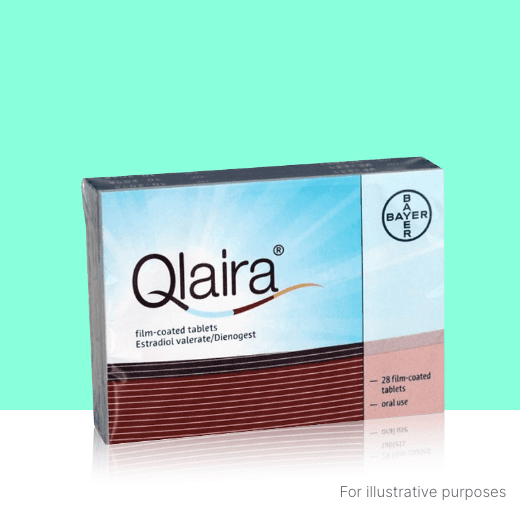 More info
Qlaira
84 tablets - £35.00
168 tablets - £60.00
336 tablets - £110.00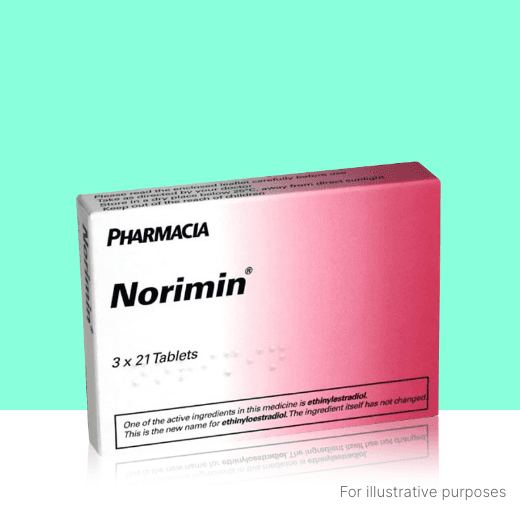 More info
Norimin
35/500mcg63 tablets - £20.00
126 tablets - £35.00
252 tablets - £65.00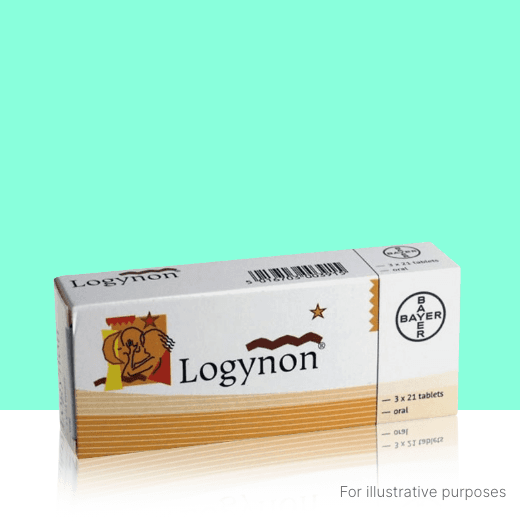 More info
Logynon
63 tablets - £14.00
126 tablets - £25.00
252 tablets - £40.00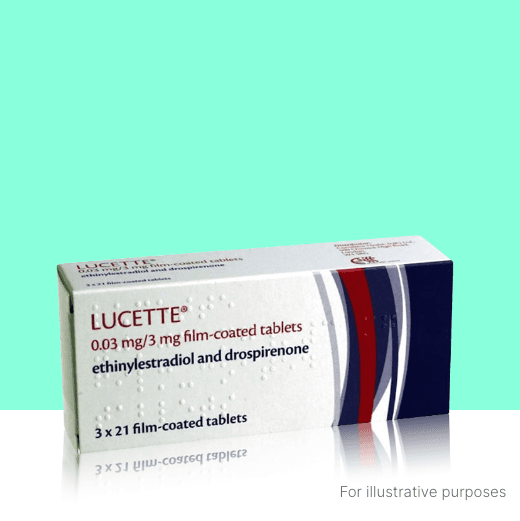 More info
Lucette
30mcg/3mg
63 tablets - £18.00
126 tablets - £30.00
252 tablets - £55.00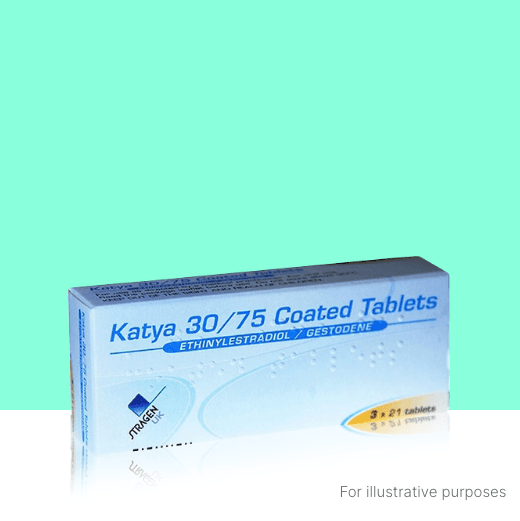 More info
Katya
30/75mcg63 tablets - £15.00
126 tablets - £25.00
252 tablets - £45.00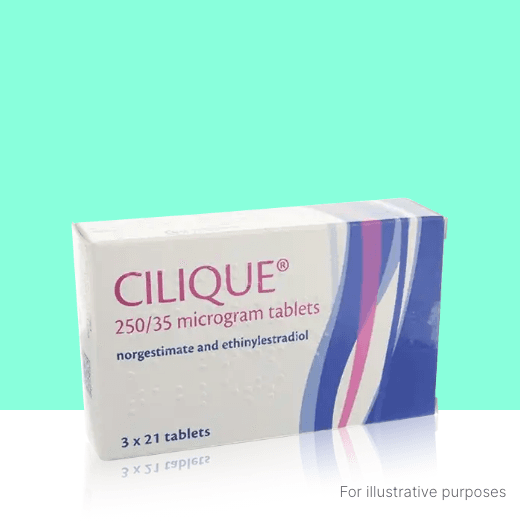 More info
Cilique
250/35mcg63 tablets - £18.00
126 tablets - £30.00
252 tablets - £54.00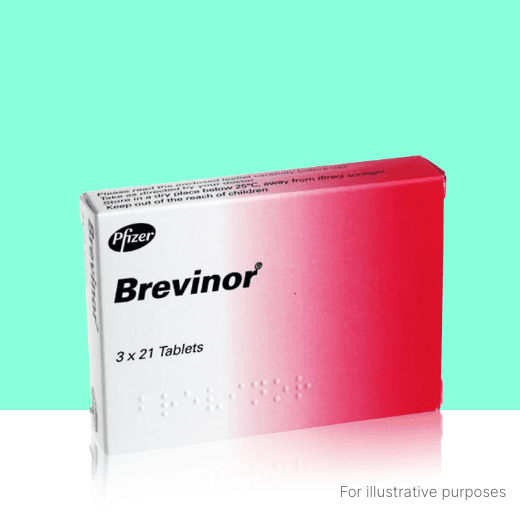 More info
Brevinor
0.5mg/35mcg63 tablets - £18.00
126 tablets - £27.00
252 tablets - £54.00 More info
Microgynon Tablets
30mcg/150mcg63 tablets - £15.00
126 tablets - £25.00
252 tablets - £33.00 More info
Yasmin Tablets
0.03/3g63 tablets - £26.00
126 tablets - £45.00
252 tablets - £90.00
Effective for treatment of acne More info
Rigevidon Tablets
30/150mcg63 tablets - £15.00
126 tablets - £25.00
252 tablets - £45.00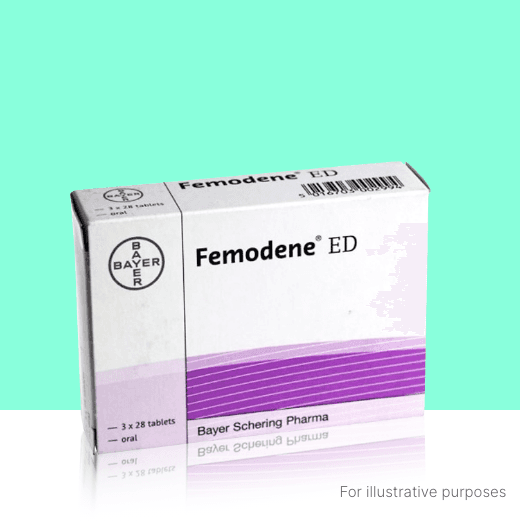 More info
Femodene
30/75 mcg63 tablets - £15.00
126 tablets - £25.00
252 tablets - £45.00
 More info
Cerazette Tablets
75mcg84 tablets - £19.00
168 tablets - £35.00
336 tablets - £60.00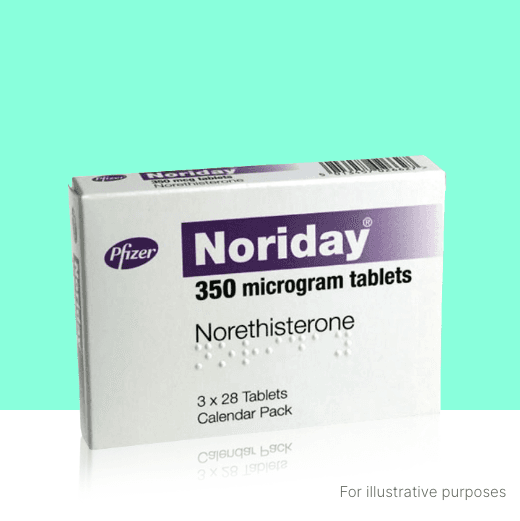 More info
Noriday
350 mcg84 tablets - £10.00
168 tablets - £17.00
336 tablets - £30.00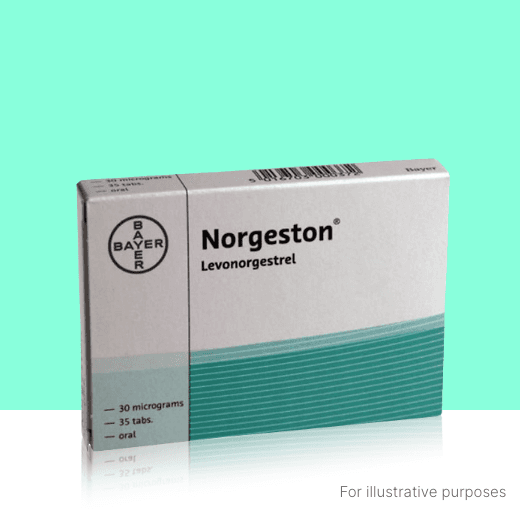 More info
Norgeston
30 mcg105 tablets - £10.00
210 tablets - £17.00
420 tablets - £30.00 More info
Desogestrel Tablets
75mcg84 tablets - £15.00
168 tablets - £25.00
336 tablets - £45.00
 More info
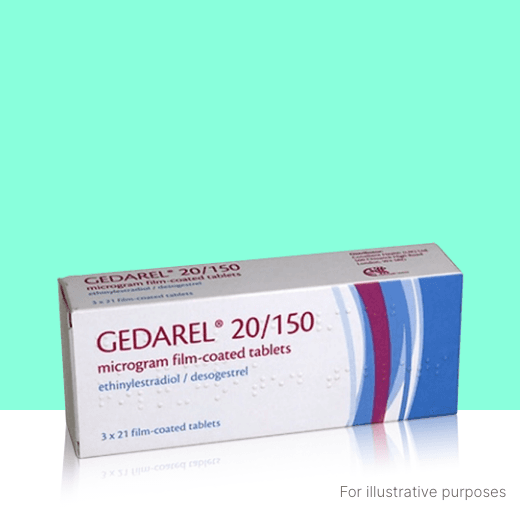
Gedarel 20/150
20/150 mcg63 tablets - £20.00
126 tablets - £35.00
252 tablets - £50.00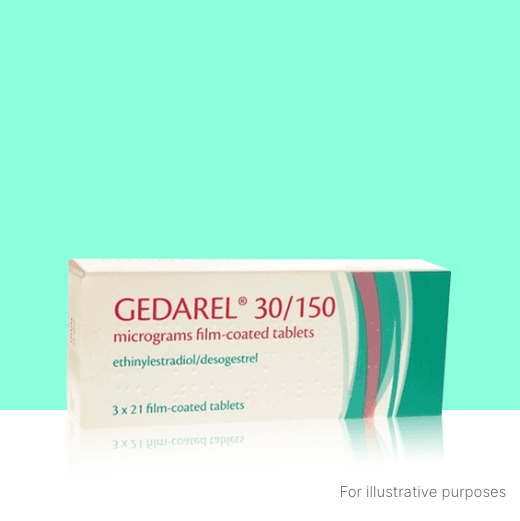 More info
Gedarel 30/150
30/150 mcg63 tablets - £15.00
126 tablets - £25.00
252 tablets - £45.00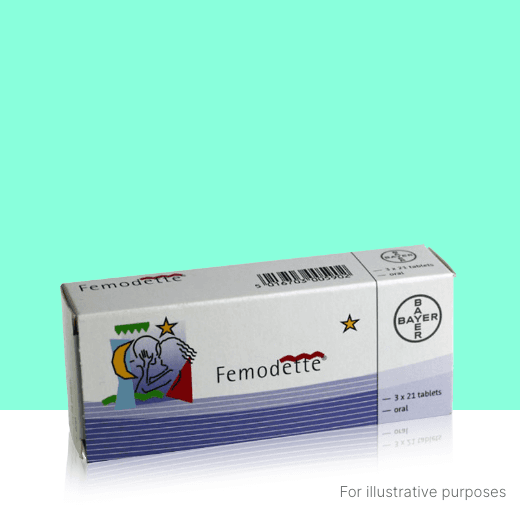 More info
Femodette
20/75mcg63 tablets - £15.00
126 tablets - £25.00
252 tablets - £45.00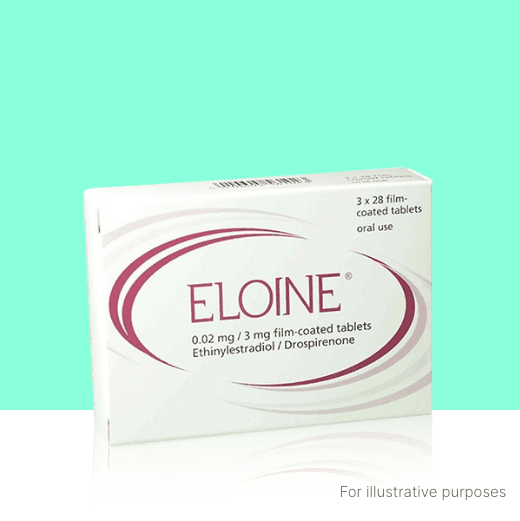 More info
Eloine
20mcg/3mg84 tablets - £25.00
168 tablets - £45.00
336 tablets - £85.00



Frequently asked questions
It’s rare, but studies have shown that in about 4.7% of cases, the Evra Patch can come off before the week is up. If it goes unnoticed, it may reduce your protection for pregnancy.
If it's been off for less than 48 hours:
Stick it back on if it’s still sticky.
If it won’t stick, use a new patch straight away.
Your usual ‘patch change day’ will stay the same.
If it’s been off for more than 48 hours, or you’re not sure of the exact time:
Apply a new patch straight away.
This becomes your new day 1 and ‘patch change day’.
Use condoms for the next 7 days.
You may need emergency contraception if you've had sex in the past 5 days.
If you're more than 24 hours late starting a new patch after the 7-day break:
Put on a new patch as soon as you can.
Keep it on until your usual ‘patch change day’.
If you had sex during the break, you might need emergency contraception and a pregnancy test in 3 weeks.
It's not necessarily better; it’s just different. Both the Evra Patch and combined contraceptive pills are highly effective when used correctly.
The patch is great if you prefer not to take a daily pill, and it’s not affected by stomach issues. But, some people prefer pills for the extra control or flexibility. It's about what works best for you.
The patch often makes periods lighter, more regular and less painful. Some people find their periods stop altogether while using it, but this is safe and normal.
Yes, you can request and pay for the Evra Patch online through a licensed online doctor service.
Because it’s a prescription-only medicine, you’ll need a consultation first. This may include sharing your height, weight and blood pressure to make sure it’s safe for you. You’ll need to have your blood pressure checked as part of your consultation.
The Evra contraceptive patch contains the same hormones as the combined pill, which can slightly raise your blood pressure. That’s why it’s important to get it checked before you start using the patch and then once a year after that.
If you’ve recently had your blood pressure checked or checked it yourself using a home blood pressure monitor, you can give us this information as part of your consultation.
Usually, yes. But some medicines (including certain antibiotics or herbal remedies like St John’s Wort) can make hormonal contraception less effective.
To be safe, let us know about any prescription, over-the-counter or recreational drugs you’re taking when you complete your consultation.
There are many contraceptives, like:
NuvaRing (vaginal ring)
Combined pills
Low-dose pills
Mini pills
See all our contraception options.
Don't forget condoms are the only method that also protects against STIs.
If you're looking for longer-term contraception, your GP or family planning clinic can help with:
Contraceptive implant
Injections
The coil (IUD/IUS)