HEALTH HUB
Weight management
Discover expert weight loss advice, treatments and aids to support your journey.

Free weight loss information
and advice

Clinically approved weight loss programmes for BMI’s over 30

Weight loss aids with no prescription needed
Expert weight loss support and advice

Is your weight impacting your health?
Our convenient and confidential weight loss service allows you to seek solutions at a time that works for you.
Simply answer a few questions in our secure no-obligation medical consultation and our clinicians will review your responses to recommend a suitable next step, with any prescribed treatments sent quickly and discreetly with Royal Mail.
Find the weight loss treatments and costs from Pharmacy2U’s CQC-registered Online Doctor service below.
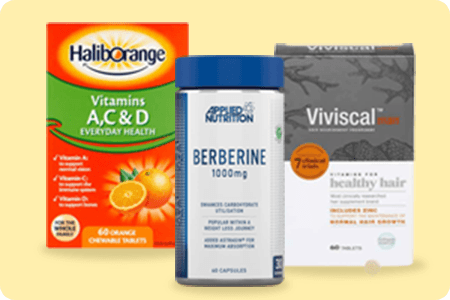
Simple and effective weight loss solutions
Easy to introduce to your daily routine, explore products that can help you stay on track and achieve your goals.




Frequently asked questions
The best exercise is likely to be one that you enjoy doing regularly. Some exercises are particularly good for burning calories and promoting weight loss. These include cardio (aerobic) exercises such as running, jogging, cycling, and swimming. High-intensity interval training (HIIT) involves short bursts of intense activity followed by brief rest periods, which keeps your heart rate raised for increased calorie burn. Strength (resistance) training helps build muscle, and the more muscle you have, the more calories you burn at rest. Weight lifting or bodyweight exercises such as squats or press-ups are good forms of strength training.
You could try a group fitness class such as Zumba, spin, or circuits. These usually combine cardio exercises with strength training moves, making them a good all-round option for weight loss. Ask at your local gym for available classes.
Not keen on intense exercise? Brisk walking is a good way to burn calories and support weight loss. You can also try yoga or Pilates for a low-intensity way of building muscle tone, which can contribute to weight loss.
Exercise alone may not be enough for significant weight loss. Healthy eating is just as important. Read more in this article about the relationship between diet and exercise.
The best diet for sustainable weight loss is one that is focused on healthy eating. While meal planning and portion sizes will make a difference, it is important to eat in a way that sustains your body, supports your weight loss goals and allows you to enjoy your meal. Rather than thinking about a crash diet, try making positive lifestyle changes that you can maintain for the long term.
It is also key to include regular exercise for sustainable weight loss. Find out more in this article about the relationship between diet and exercise.
Staying hydrated is important for all our body functions and drinking water when trying to lose weight is especially important. First, it helps fill your stomach. Drinking a glass of water before meals can make you feel full, reduce feelings of hunger and prevent overeating. It also helps prevent dehydration, which means not drinking enough water. When people do not drink enough water, they often mistake thirst for hunger and reach for a snack, which means more calories. Replacing sugary drinks like juices with water can also cut back on your calorie intake because water contains no calories.
It is a good idea to incorporate water into your daily routine. Try carrying a water bottle to sip water regularly, set hourly reminders, or use a hydration app to keep track. If you are not keen on plain water, try adding fruits, herbs such as mint, or a splash of lemon juice to make it more enjoyable.
Find out more about what to drink and eat in this article about healthy eating for weight loss.
The best way to lose weight without losing muscle is to focus on a balanced combination of diet, exercise, and sustainable lifestyle habits. Reduce calories for weight loss in moderate amounts. If you reduce calories by too much, your body will not only burn fat but also muscle for energy. You should also eat protein to repair and grow muscles. Good protein sources are lean meats, fish, eggs, tofu, Greek yoghurt, legumes and plant-based protein powders.
Strength training for building and maintaining muscle is essential when reducing calories for weight loss.
Lifting weights tells your body to preserve muscle tissue, because the muscles are being used. Try 2 to 4 days of strength training per week, targeting different muscle groups each time.
7 to 9 hours of quality sleep per night may also help optimise muscle recovery and repair, fat loss and overall health. To better understand sleep, read an expert’s guide to sleep or explore the Pharmacy2U range of sleeping supplements and sleeping aids.
Read more in this article about the relationship between diet and exercise and its impact on weight loss.
Weight loss supplements are a popular topic and while some may offer certain benefits, they cannot work miracles. Their effects vary depending on the supplement’s ingredients, dosage, and your body’s own response. Prebiotics and probiotics focus on gut health, which may influence weight, although research is ongoing. Read more in this article about gut health.
If you are considering a supplement, it is a good idea to check with a doctor to ensure it is safe and suitable for your specific needs. To lose weight sustainably and preserve muscle, the best approach is a balanced diet, regular exercise, and healthy lifestyle habits.
Read more in this article about the relationship between diet and exercise and its impact on weight loss.
Using a weight loss calculator is a great way to help you track your weight loss progress and set realistic goals. These calculators estimate the number of calories you need to consume to lose weight based on factors such as your age, gender, weight, height, activity levels and weight loss goals.
There are many weight loss calculators available, but the most reliable ones calculate either your Basal
Metabolic Rate (BMR) or Total Daily Energy Expenditure (TDEE).
Your BMR represents the number of calories your body needs to perform basic functions like breathing, digestion and keeping your organs working, without any extra activity. The calculator will automatically work out your BMR based on the information you put in.
Your TDEE takes into account your physical activity to give you an accurate estimate of how many calories you burn in a typical day.
By combining this knowledge with a healthy diet and regular exercise routine, you will be in a great position to lose weight in a sustainable and healthy way.
Read more in this article about the relationship between diet and exercise and its impact on weight loss.
Weight loss tablets or capsules work in a few different ways, depending on their ingredients and what they are aiming to do. Types of weight loss tablets include:
Appetite suppression medications. These work by helping you feel less hungry, leading to decreased calorie intake.
Increased satiety medications. These enhance feelings of fullness, keeping you satisfied for longer, and reducing the urge to snack.
Reduced absorption medications. Products such as Orlos (orlistat) and Formoline reduce the amount of fat your body absorbs from food, making it harder for your body to absorb calories from fat.
Increased metabolism medications. These contain ingredients that may slightly increase your metabolism, enabling you to burn more calories at rest. Caffeine is one of the most common ingredients in these medications.
If you are considering using any weight loss tablet or supplement, it is a good idea to check with a doctor to ensure it is safe and suitable for your specific needs. Learn more in this article about weight loss medication.
Sustainable weight loss needs a combination of a healthy diet, regular physical activity and lifestyle changes. Read more in this article about the relationship between diet and exercise and its impact on weight loss.
Get expert medical advice with Pharmacy2U Online Doctor
You can get expert advice on medicated weight management from our confidential convenient service.
You answer a few questions in our no obligation free online consultation and a clinician will review your information. They will advise on the most suitable next steps.
Where appropriate we’ll arrange discreet delivery to your preferred address via Royal Mail.
The best tips for successful weight loss involve balancing your diet, exercise, mindset, and lifestyle. They include:
Consume fewer calories than your body needs to maintain its current weight
Eat a balanced, high-fibre, wholefood-based diet to keep you fuller for longer and control hunger
Prioritise protein to help build muscle, keep you full and boost metabolism
Practise portion control to reduce calories, by using smaller plates and measuring serving sizes
Stay hydrated to help curb hunger, boost metabolism and increase fat-burning
Increase physical activity to burn more calories, preserve muscle mass, boost metabolism and improve overall health
Get enough quality sleep (7 to 9 hours per night) to help reduce hunger and cravings for high-calorie foods
Manage stress to reduce emotional eating and reduce the hormone cortisol which can promote fat storage
Plan your meals and snacks to ensure healthier choices
Avoid crash diets that can lead to muscle loss, nutrient deficiencies, and rebound weight gain
Track your progress to help you stay accountable
Eat mindfully to prevent over eating
Limit sugary drinks which can be packed with empty calories, contributing to weight gain
Find a support system to help you stay motivated
The best foods for weight loss are nutrient-dense, low in calories and help you stay fuller for longer. Foods like this include:
Leafy greens (like spinach, and kale) – low in calories, high in fibre, packed with nutrients
Lean protein (like chicken, turkey, fish, tofu and lentils) – helps you stay full and maintain muscle mass
Whole grains (like quinoa, brown rice, oats, barley) fibre rich, help with digestion and feeling full
Fruits (like berries and apples) – high in fibre and low in calories
Greek yoghurt (plain, non-fat or low-fat)
Healthy fats (like avocados, nuts and seeds, cottage cheese) – can help control hunger
Legumes (like beans, lentils, chickpeas) – high in protein and fibre, which aids fullness
Cruciferous vegetables (like broccoli, cauliflower, Brussels sprouts) – low in calories but filling
Green tea – can help boost metabolism
The key to weight loss is portion control and balance. Even though these foods are good choices, they still need to be eaten in moderation as part of a healthy diet. Combine these foods with regular physical activity, good hydration and quality sleep to see the best results. Read more in this article about the relationship between diet and exercise and its impact on weight loss.