
In this Article:
01: What activity counts as physical exercise?02: The physical health benefits of regular exercise03: The mental health benefits of regular exercise 04: Keeping up with good habits
What activity counts as physical exercise?
Many of us can find it difficult or even daunting to get to a gym or an exercise class every now and again, never mind every day. Factors like time, affordability, and limited mobility can impact our ability to participate in this kind of activity on a regular basis. The good news is that there are lots of different ways to get active without signing up for expensive gym membership contracts or even needing to leave home at all.
In fact, the NHS describes moderate-intensity exercise as any activity that makes your heart beat faster, quickens your breathing, and makes you warmer:
Opportunities to walk – Walking is an easy way to be more active, and you can fit it into your day in lots of simple ways. Try a short walk in the morning, get off the bus a stop early, park a bit farther away, walk home from school with your children, or join a friend or neighbour on their daily dog walk.
Around the house – If you’re exploring what type of exercise works best for you then these home workout videos from the NHS are a good introduction. You could do them outside if the sun’s shining, while they also have guidance for people with limited mobility on activities that can be done while sitting.
Taking up a new hobby – Activities are easier to do if you’re motivated to do them, so why not try and find something you enjoy? From Walking Football to swimming, it can also be an opportunity to meet new people. Activity Alliance also help with wheelchair-friendly activities.
Desk-friendly healthy habits – Eight in every 9 office workers sit for up to nine hours a day, and even more when you add commuting and downtime. A standing desk can burn roughly 170 extra calories in an afternoon and boost your energy. Take the stairs, have a walking meeting, and keep things dynamic.
What are the top three obstacles of exercise and how can you overcome them?
You can tell yourself that there are many acceptable reasons not to exercise, but there are more good reasons to get out there and do some physical activity. The British Heart Foundation has detailed what the most common obstacles are and what you can do to overcome them...
If you haven’t got time to exercise – we all lead busy lives, so it’s no surprise that exercise can fall by the wayside, but it doesn’t have to take up loads of your time. It can be as simple as doing a couple of squats around the house, a few stretches after your get up or before you go to bed, or even a short walk to the bottom of the street and back.
If you’re worried exercise isn’t safe for you – the best exercise isn’t always the highest intensity, so don’t worry if you don’t feel like those activities are right for you, it’s about finding the most appropriate physical exertion for you and your health.
If you worry about looking foolish while exercising – you can bet most people who have gone to a gym or exercise class have felt the same at some point, but that’s what staff at these facilities can help you with. But you don’t have to start there, doing small workouts at home can help you build your fitness confidence.
If you feel like you don’t have the energy – again, exercise doesn’t always mean high energy. Start small, just to get the blood flowing around your body, and the more you do it, the more energy you’ll find that you have. Start with just a few minutes and add a couple more on every day or two.
If you have physical difficulties – whether you have chronic pain or disabilities, exercise can be difficult and daunting, but it can also help, whether it’s through NHS flexibility, balance, or strength workouts, or Activity Alliance’s inclusive workouts.
If you find exercise boring – it's all about finding ways, no matter how small, of making physical activity more fun, whether that’s listening to your favourite music or podcast on a walk, picking up gardening as a hobby, or finding a friend or family member to join in with you.

The physical health benefits of regular exercise
It’s clear that regular exercise, no matter the intensity, length or difficulty, can boost your physical wellbeing. It can help:
Lower your risk of heart disease, stroke, type 2 diabetes, bowel cancer, osteoporosis, and other serious conditions
Improve your energy levels
Regulate your metabolism
Your quality of sleep
The mental health benefits of regular exercise
Exercise will boost your physical health, but studies show your mental health will benefit too. It can help:
Improve your general mood
Increase your self-confidence and self-esteem
Reduce your stress levels
Lower your risk of mental health conditions including depression
Up to a 30% decrease in the risk of developing dementia
Keeping up with good habits
When we set goals, it takes time and commitment to make them stick. Finding activities that you enjoy and can be introduced to your usual routine is key to being able to achieve consistency. Be patient and be kind to yourself. Focus on celebrating the days you do achieve your goals and keep track of your progress.
For more resources that can support you on your exercise journey, check out NHS Better Health, which is full of helpful advice as well as introductions to initiatives like Couch to 5K and NHS Active 10. There are also mobile apps you can use such as Holly Health Habit Coach and Prediawell in Orcha, our Pharmacy2U-approved health app library.
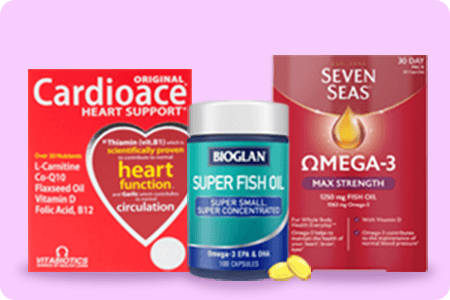
Explore heart health essentials in our Health & Wellness Shop




Other articles you might like
Shop for heart health
Back to Heart Health